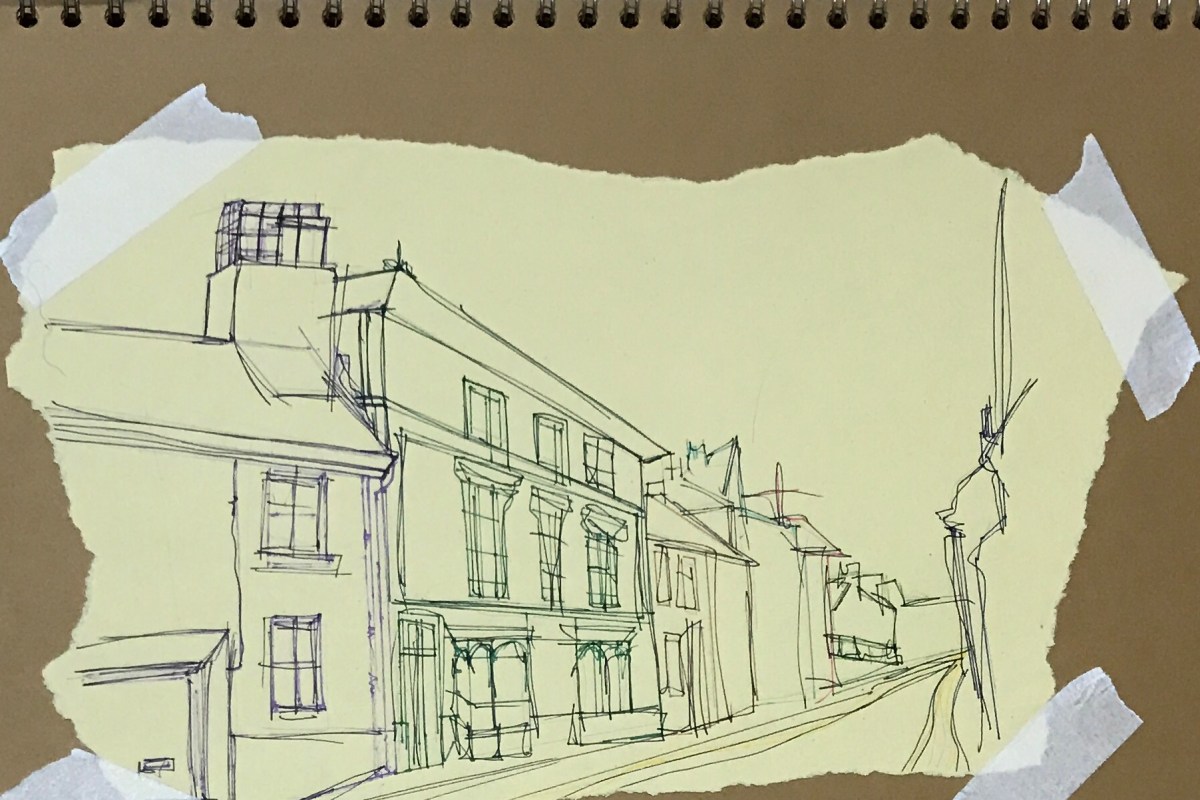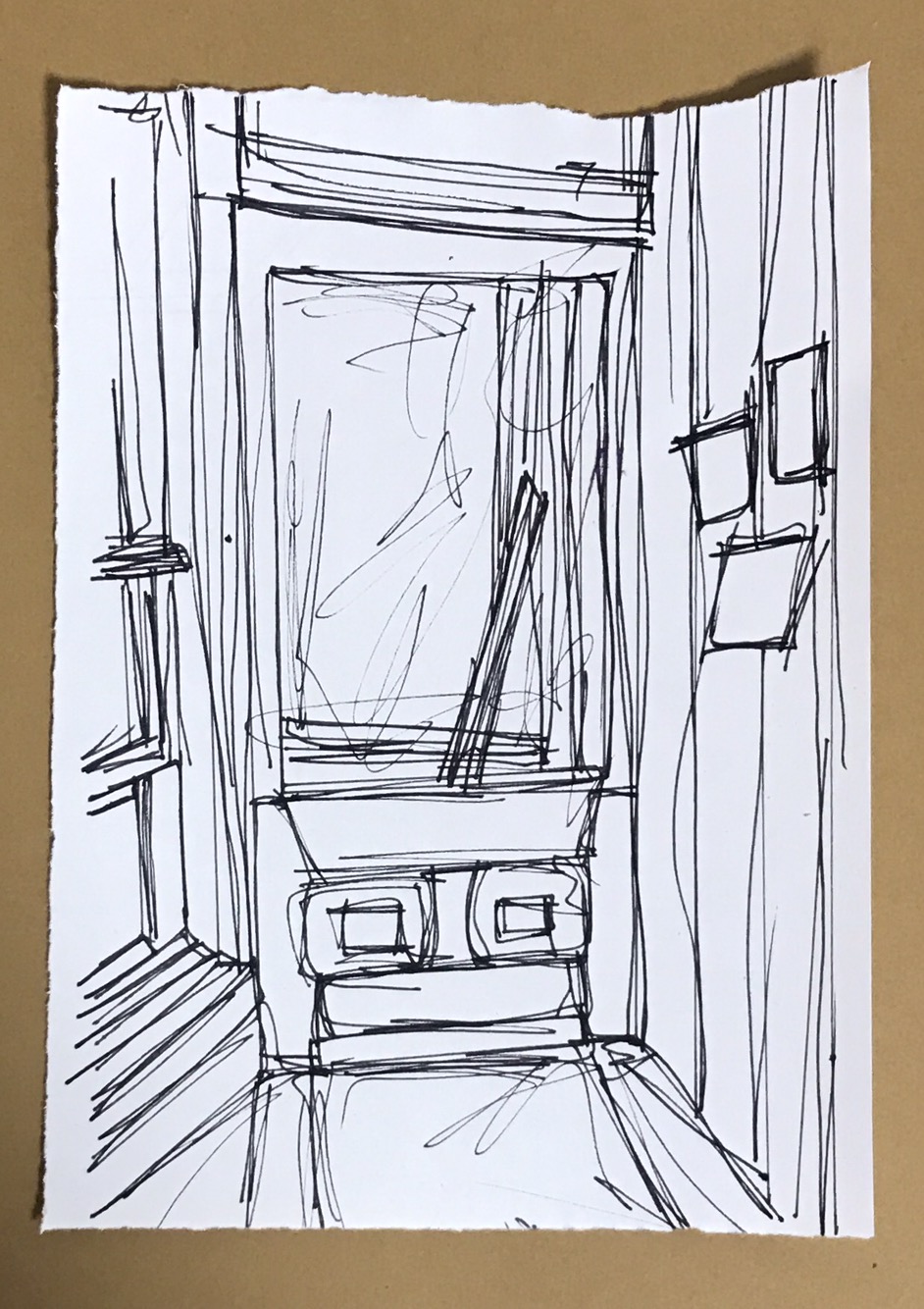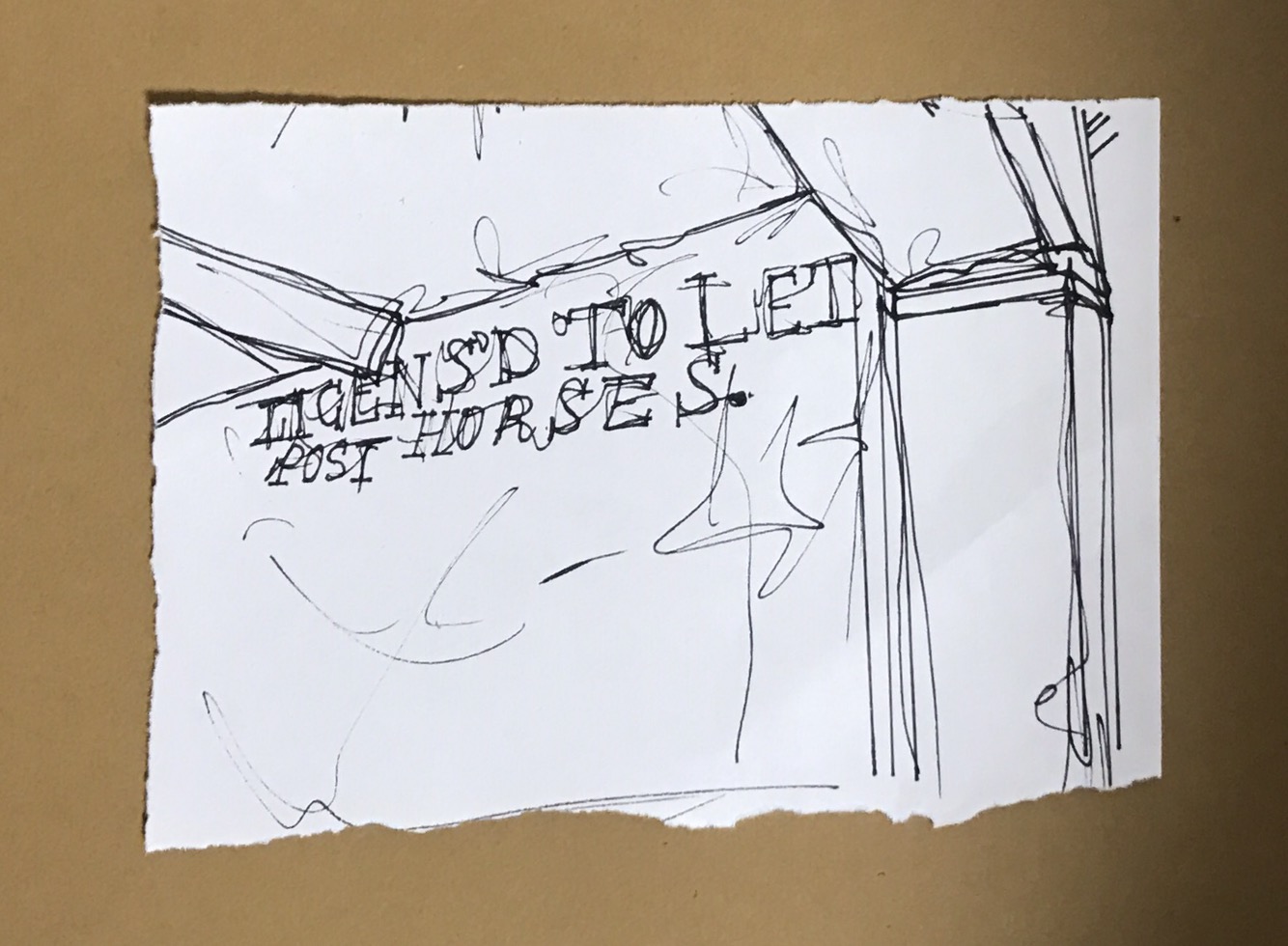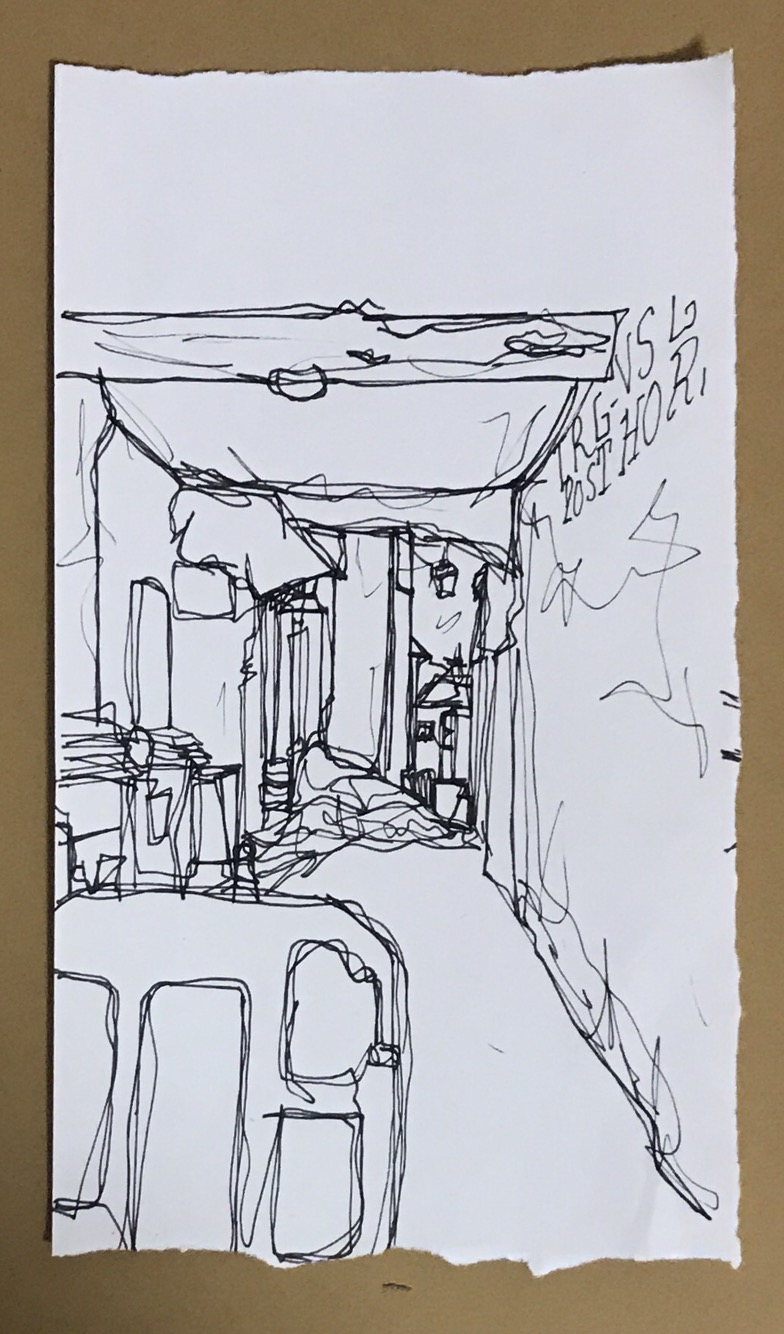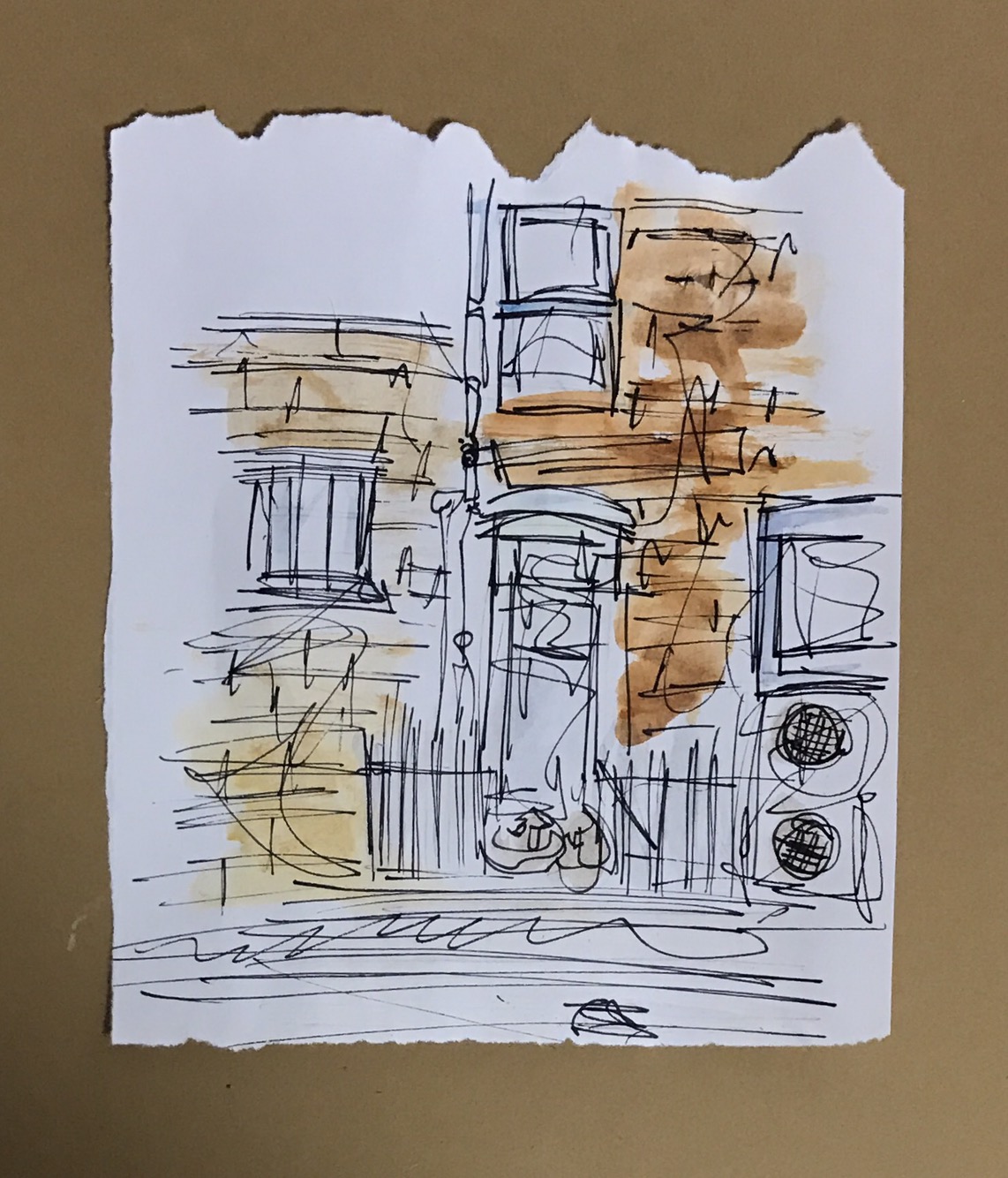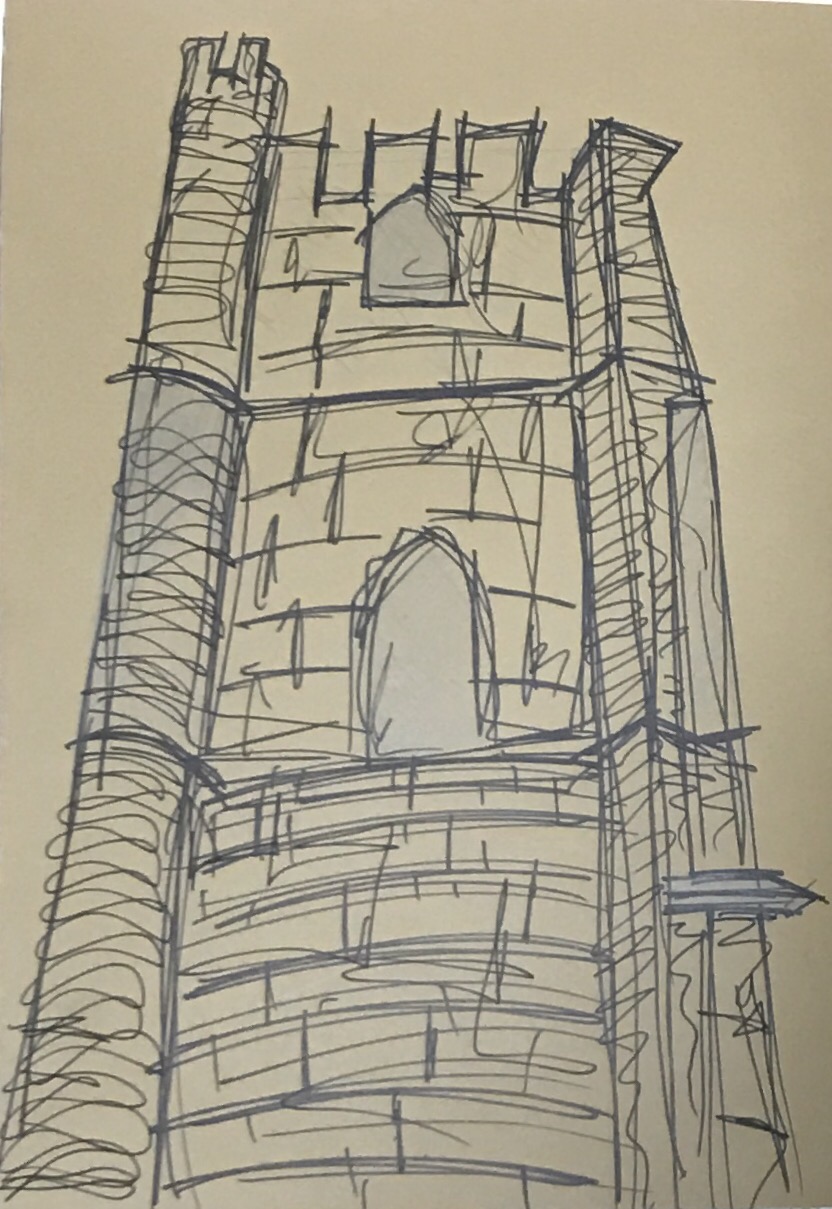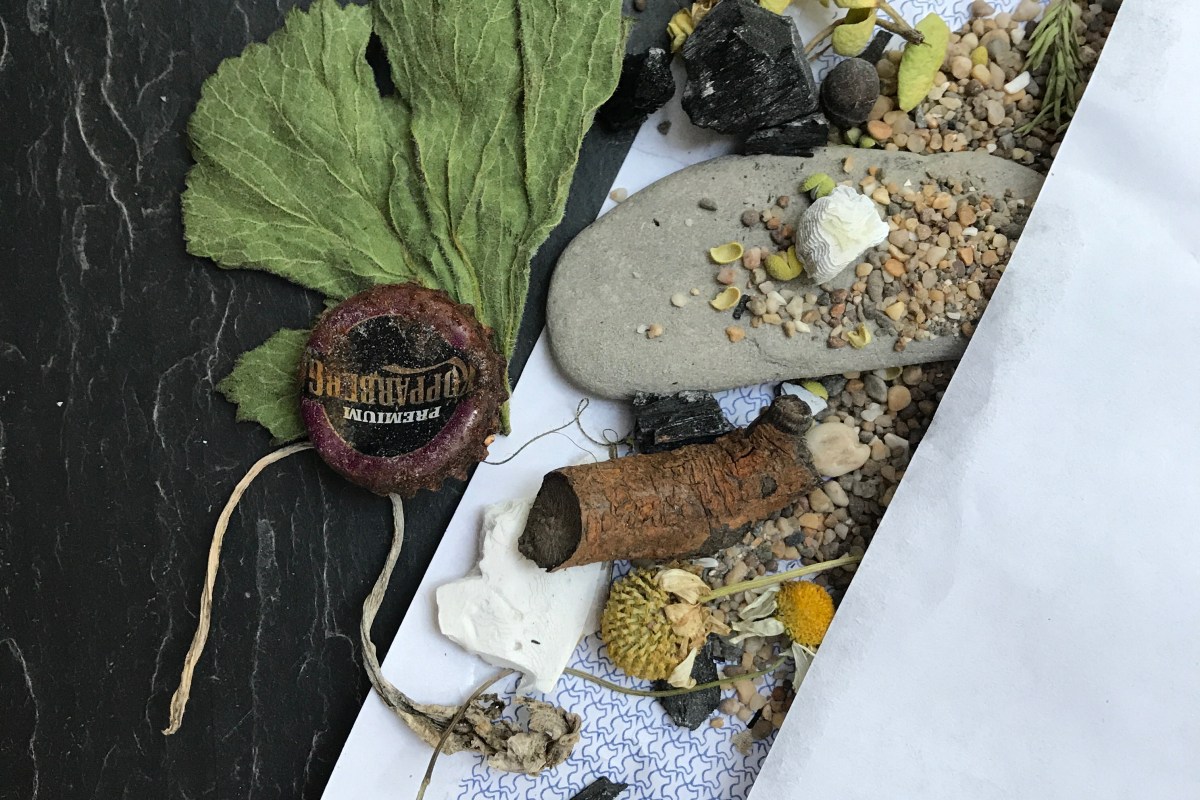
Owain Sparnon was selected as the Raising The Bar Residency recipient for 2017, working in the Jane Phillips Award studio during August. Read more about his time within the studio here.
Raising the Bar : Studio Residency
Owain Sparnon was selected as the Raising The Bar Residency recipient for 2017, working in the Jane Phillips Award studio during August. Read more about his time within the studio here.
Below is a glimpse of my rough notes taken during a meeting with Ben Dawson, Rachel Orphan and Beckie Mitchell discussing a collaboration for a recent exhibition.

Below are a selection of images taken during the preparation stages for the open studios.


As you may have seen from my notebook, the four of us chose to experiment with the idea or recording everything we touch within a day and comparing our findings. Below is my complete list…

INFLUENCES AND REFERENCES:
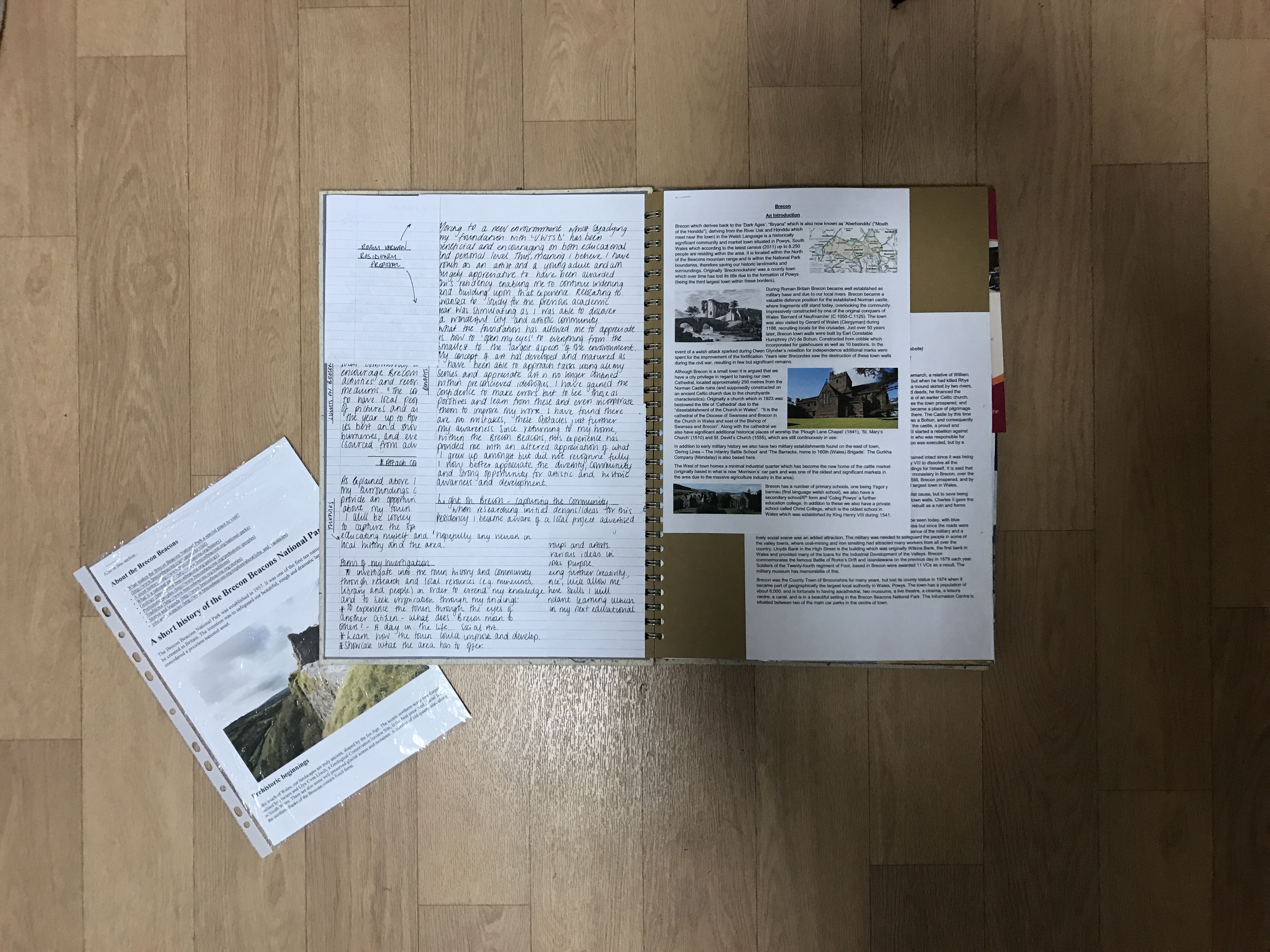
Below are some influential references and my intention for this investigation’s outcome. As you will see below I have chosen to respond to the theme of the ‘BEAUTY OF BRECON’, by attempting to create a historically accurate recreation of the medieval town walls through an abstract approach of a ephemeral installation. Below are a few fragments from my notebook highlighting my intentions and the project’s purpose. I hope this will be a piece which will create intrigue resulting in viewer participation thus encouraging the viewer to follow the line whilst subconsciously educating them in the ancient landmark alongside appreciating Brecon’s surrounding beauty.
Above are a selection of my mood board references (source- pinterest).
Locating the standing place for the complete medieval town wall
I decided to begin my research at the local library’s historical records section. There I found a wide variety of maps, however, they were all drawn up after the medieval period therefore had a limiting benefit for this specific study.

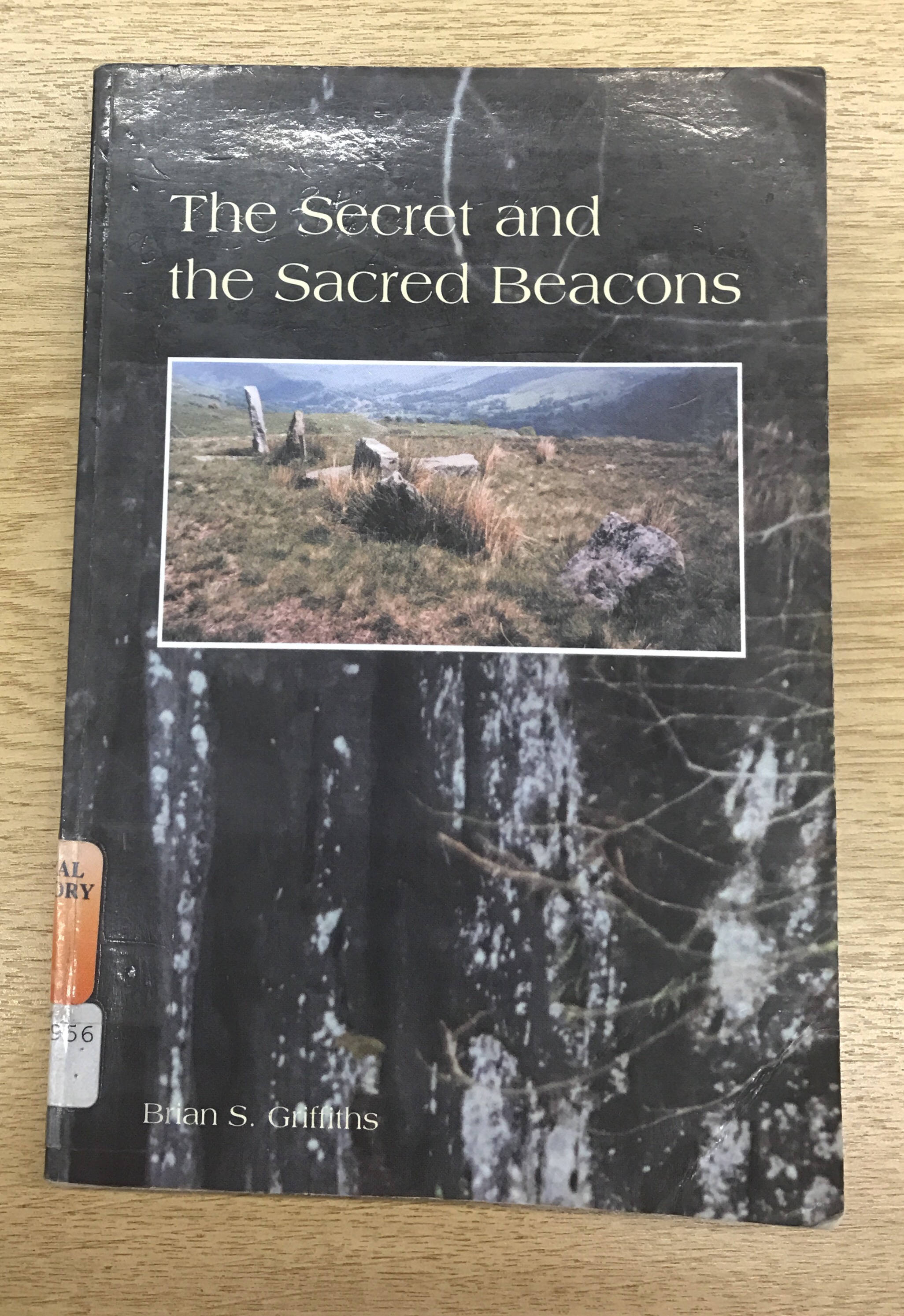
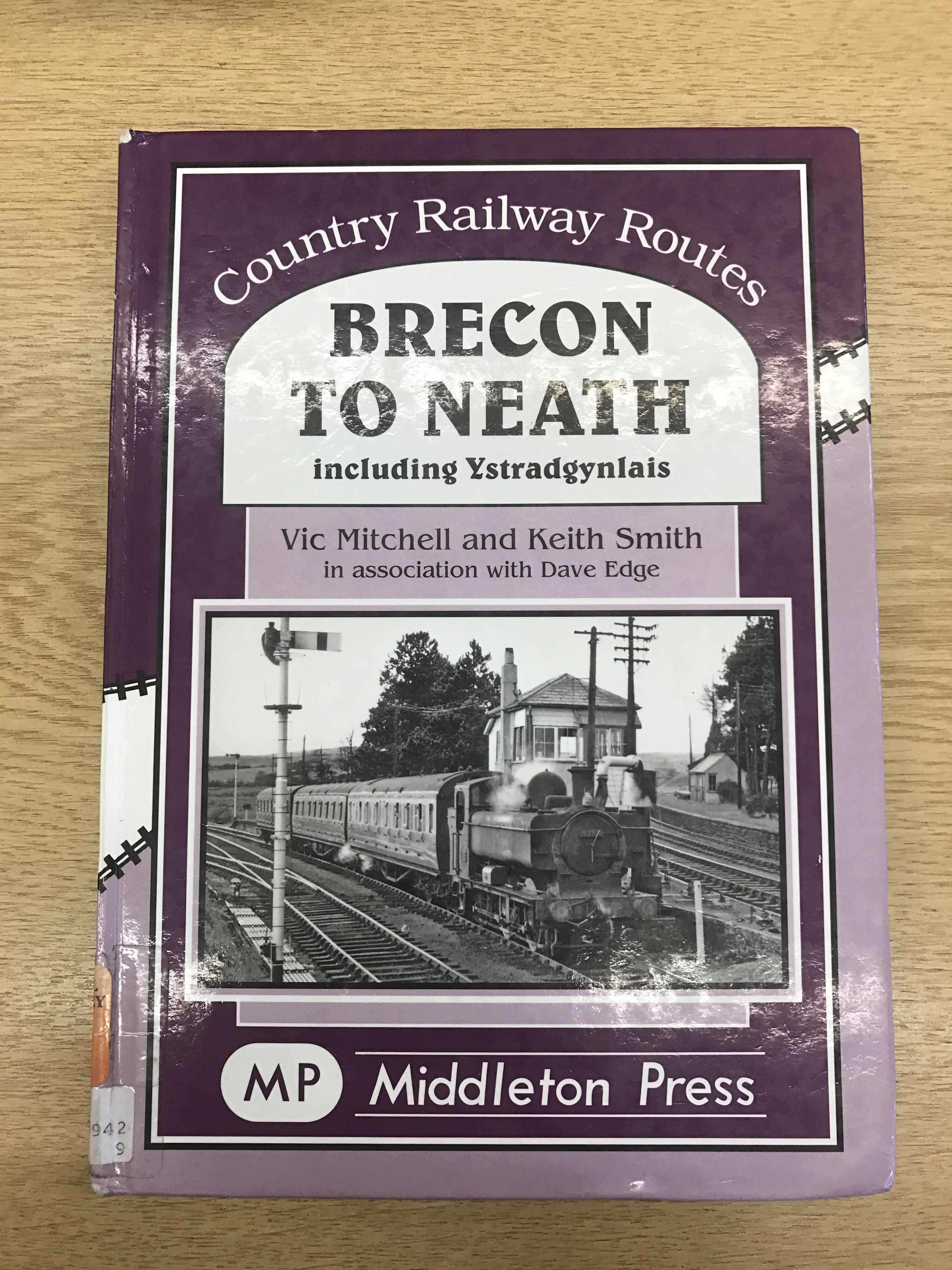
Therefore, I chose to revisit some of the books I had previously analysed. Again there was little documentation regarding this specialised topic.

My next visit was to a local bookshop, where I was lucky enough to find the below information and map, this provided me with a glimpse of the historic wall.


After finding the above map, I contacted ‘Brecknock Museum’ (http://www.powys.gov.uk/en/museums/visit-your-local-museum/brecknock-museum-art-gallery/) requesting an opportunity to view some of their historic collections.
Below are my findings from the visit: 
The above maps are dated from 1834 and 1934. These were the oldest records the museum had, although very interesting they were unable to identify a clear route of where the walls once stood. The maps were designed after the Civil War when most of the medieval build had been dismantled. However, this trip was very educating and allowed me to understand the structure of the town more geographically.
I would like to thank the ‘Brecknock Museum’ for allowing me the opportunity to analyse these sources and for taking the time to meet with me and discuss my investigation. Thank you to all of the staff who assisted me, I have gained so much more knowledge from your guidance.
On departure from the museum I was provided with a local historians contact and recommended to email them to see if they would have any additional information to progress my project.
Below is a copy of the sent email…
To (Contacts name)
My name is Tegan James. I am currently working on a residency (Jane Phillips Award) with the Mission Gallery, Swansea which I am using as a platform for investigating into Brecon towns history and characters. I have chosen, after much research, to focus on the mapping of the original old town walls.
I have visited the museum, library and local information centres regarding where the walls once stood and I’m finding it difficult to find resources to identify exactly where the settlement was built.
I was wondering if you knew anything about this specific feature in history and if you would be happy sharing this information with me to further my project which will also improve the accuracy of my work.
I look forward to hearing from you.
Grateful Thanks
Tegan James
Below: Brecon Town Map sourced from the ‘Guildhall’ wall in the centre of the town.

As you can see this is the clearest and most up to date map I have found which suggests where the medieval build once stood. Although this source has indicated the build it hasn’t provided me with an accurate, detailed route. Whilst happily awaiting a response from the above email I have chosen to walk this route to try and determine a course.
Useful information links regarding the traces of the medieval structure;
http://www.gatehouse-gazetteer.info/Welshsites/23.html
http://www.britishlistedbuildings.co.uk/300007115-section-of-town-wall-at-watton-mount-brecon
http://walesher1974.org/herumd.php?linktable=her_source1_link&group=CPAT&level=3&docid=301357415
http://www.coflein.gov.uk/en/site/305725/details/town-walls-brecon
Below are two extremely helpful articles which have allowed me to locate the remains of the walls.


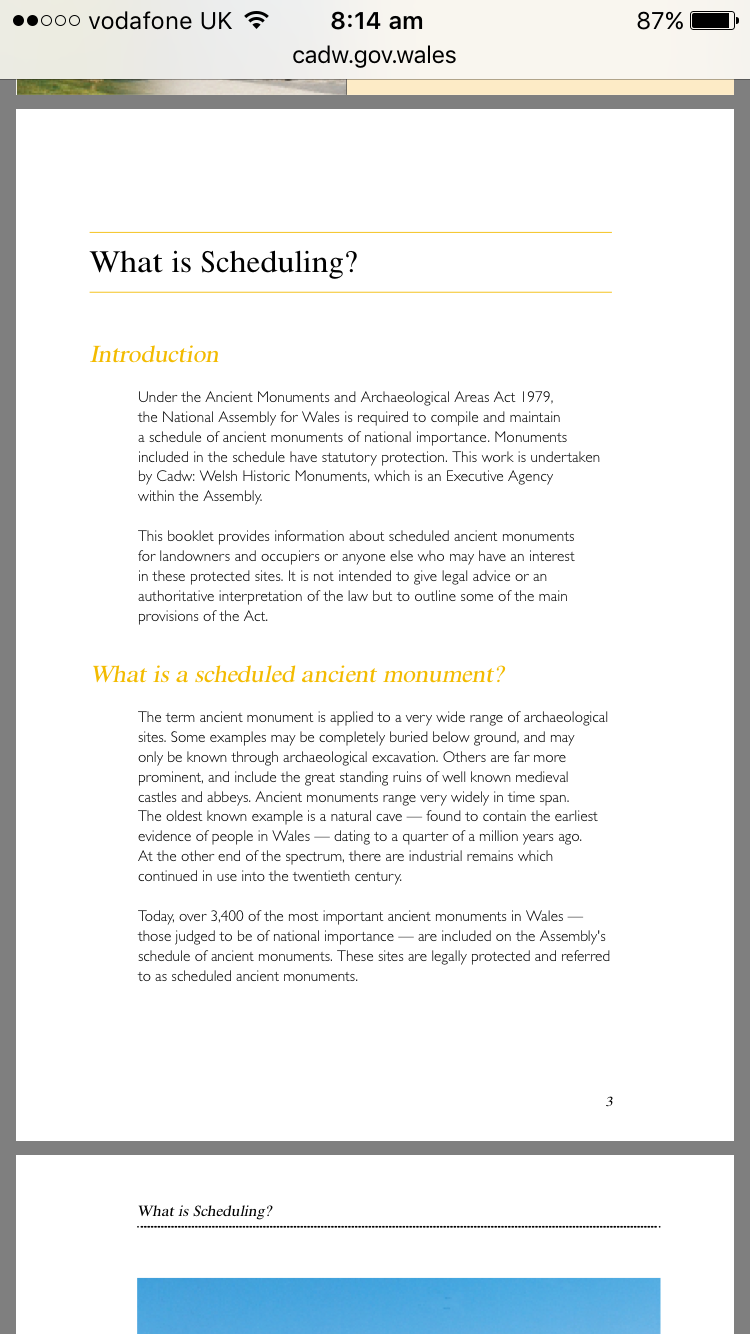


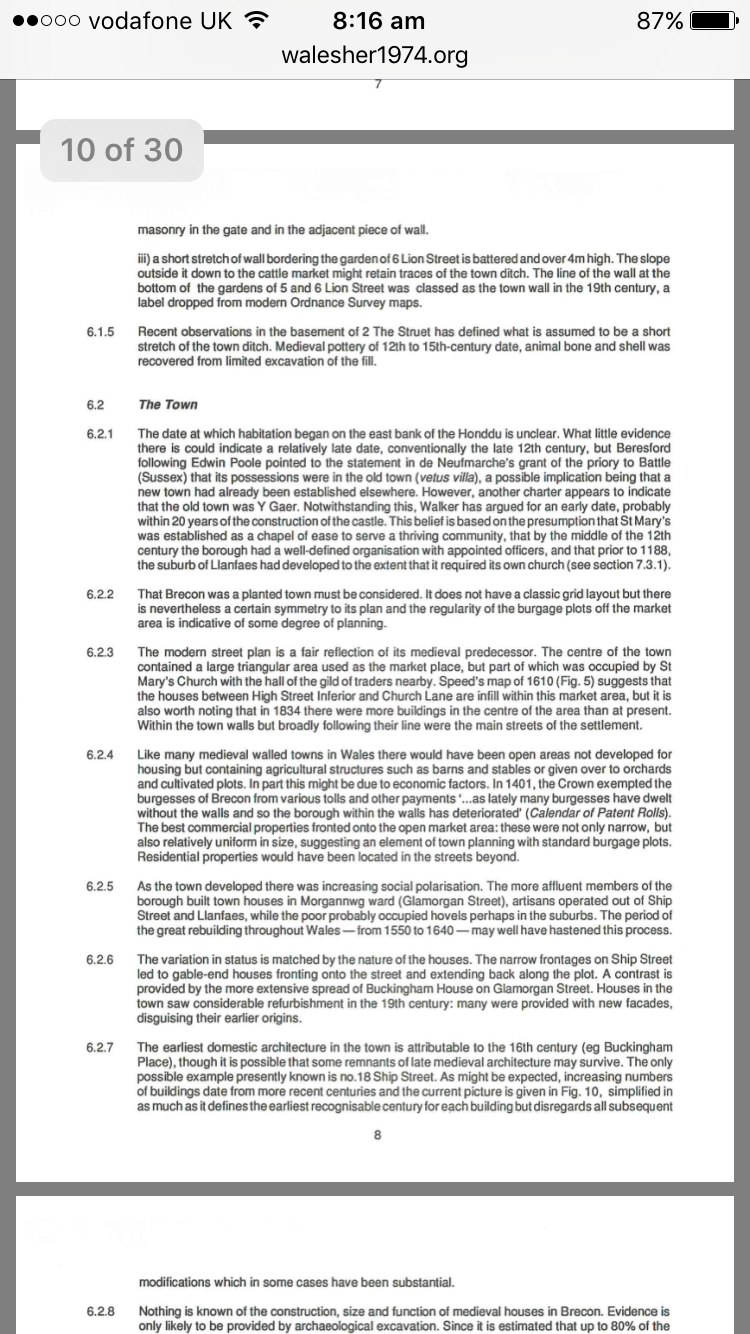
After becoming aware of where the site of the wall ruins remain, I have recorded 8 locations where I believe the medieval structure once stood. However, I am intrigued to learn where the wall would have run during the medieval period.
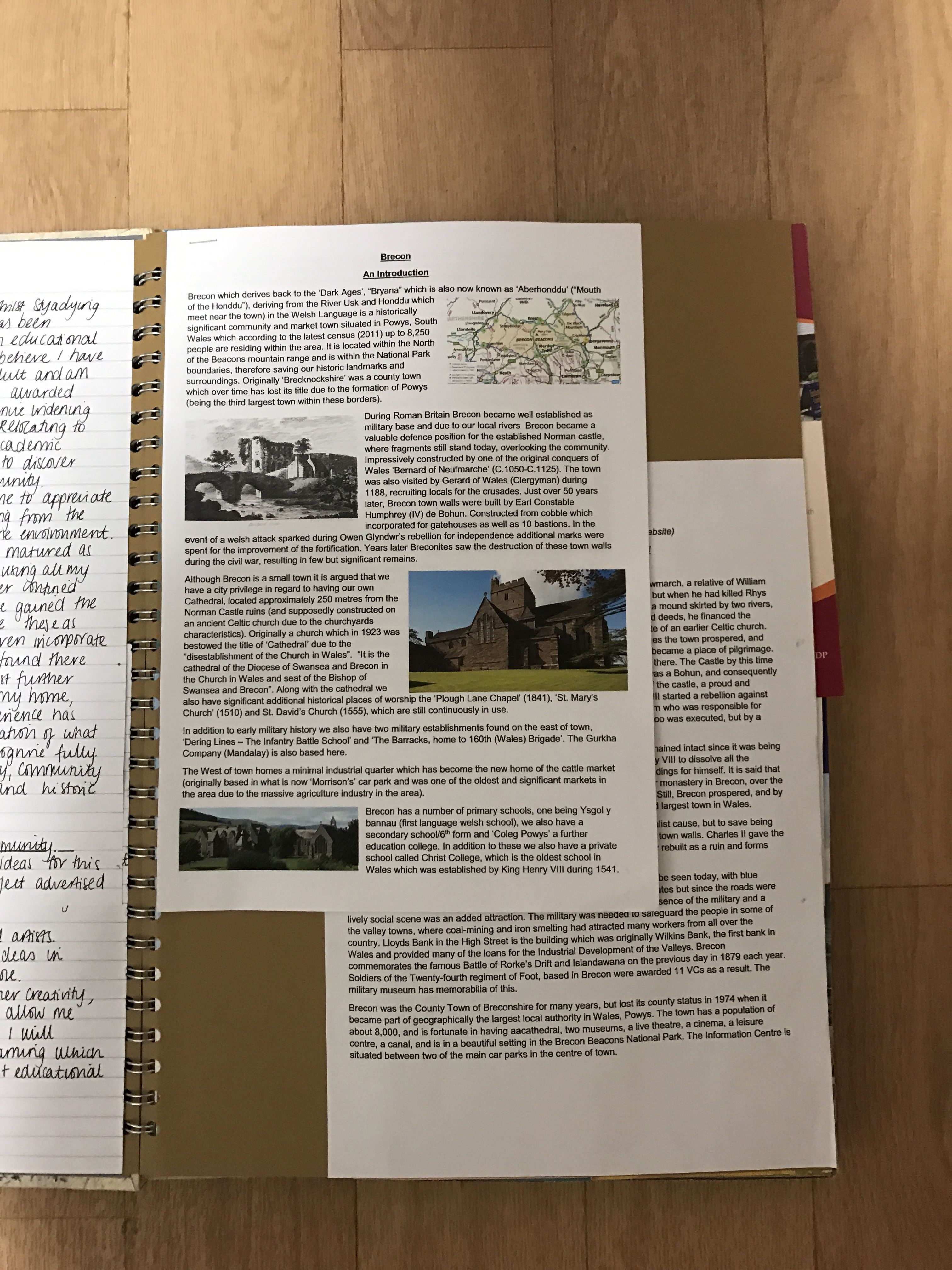
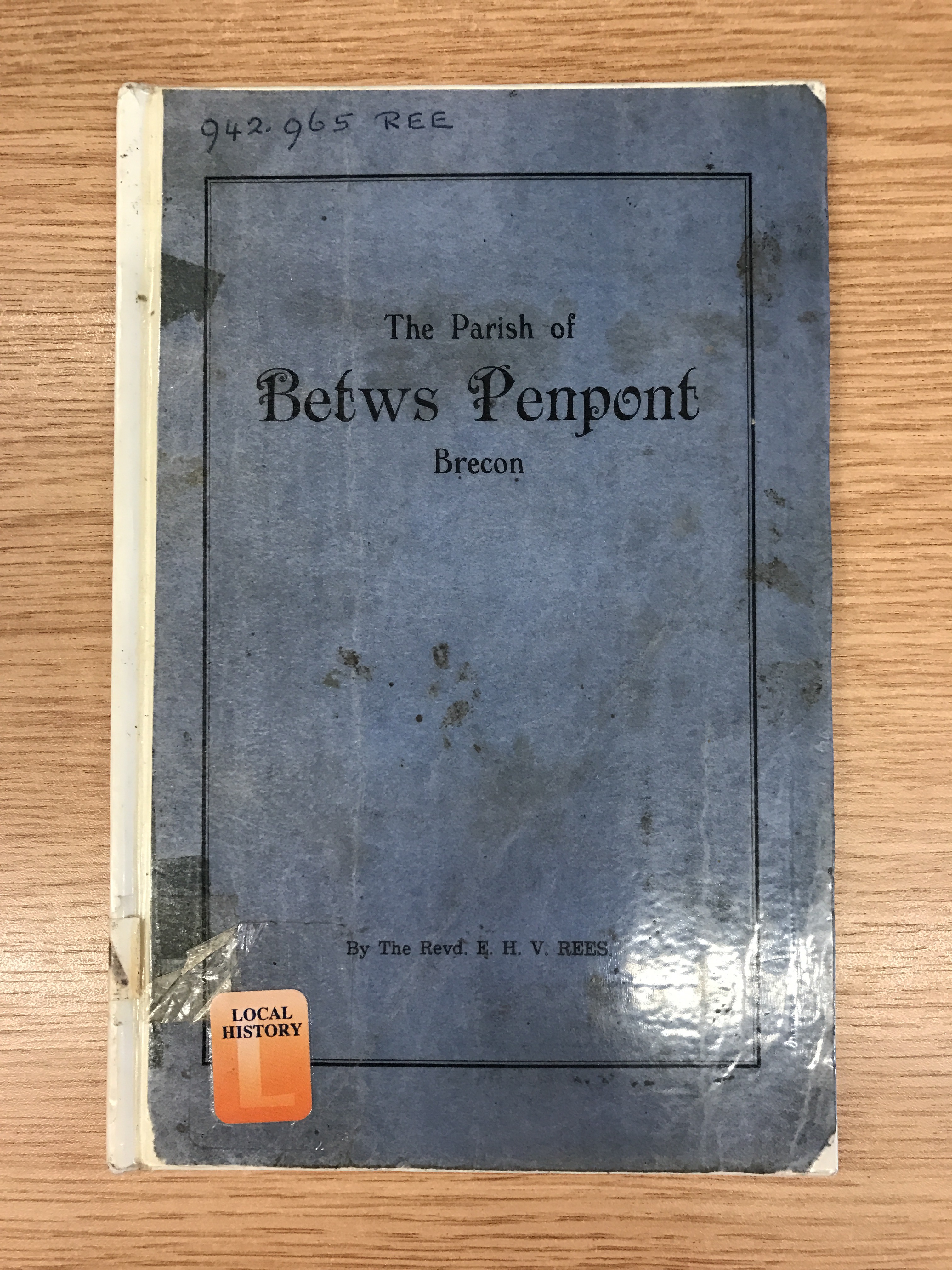
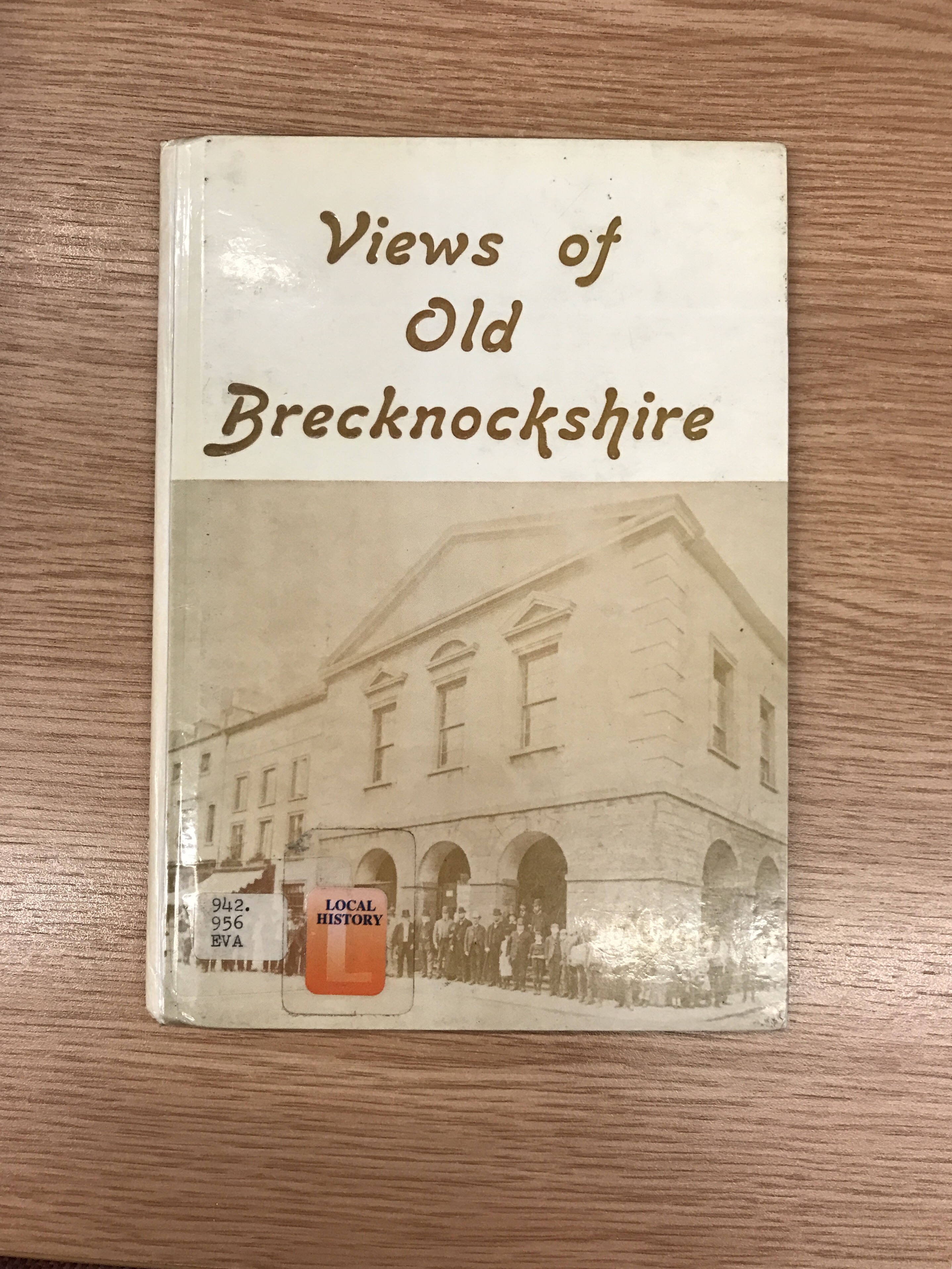
The archive below has been extremely influential during the beginning stages of my project, it has allowed me to dive into the past and relocate and appreciate the towns architecture and traditions. This book has highlighted my lack of awareness regarding the local town history and locations of historic sights.
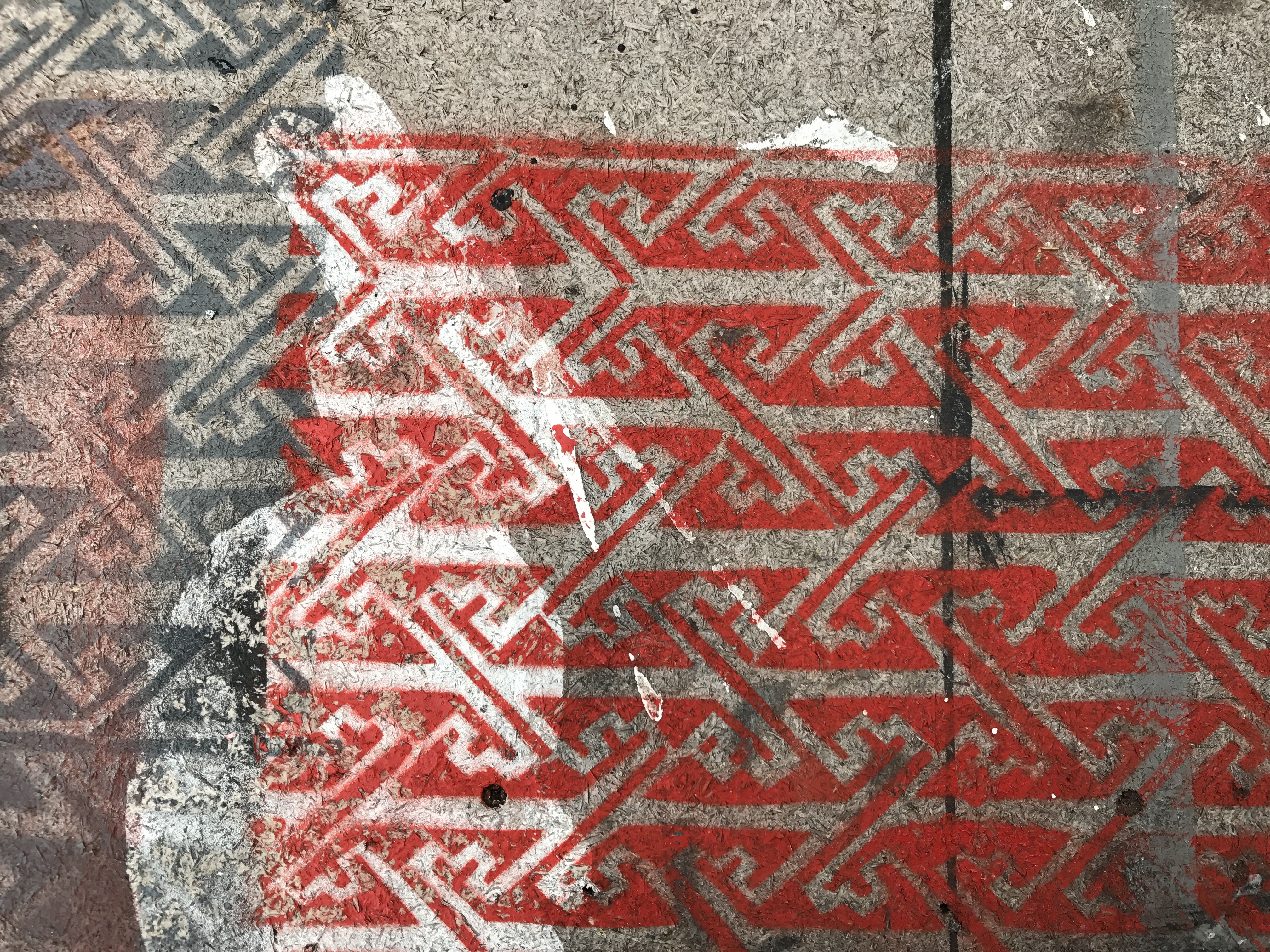
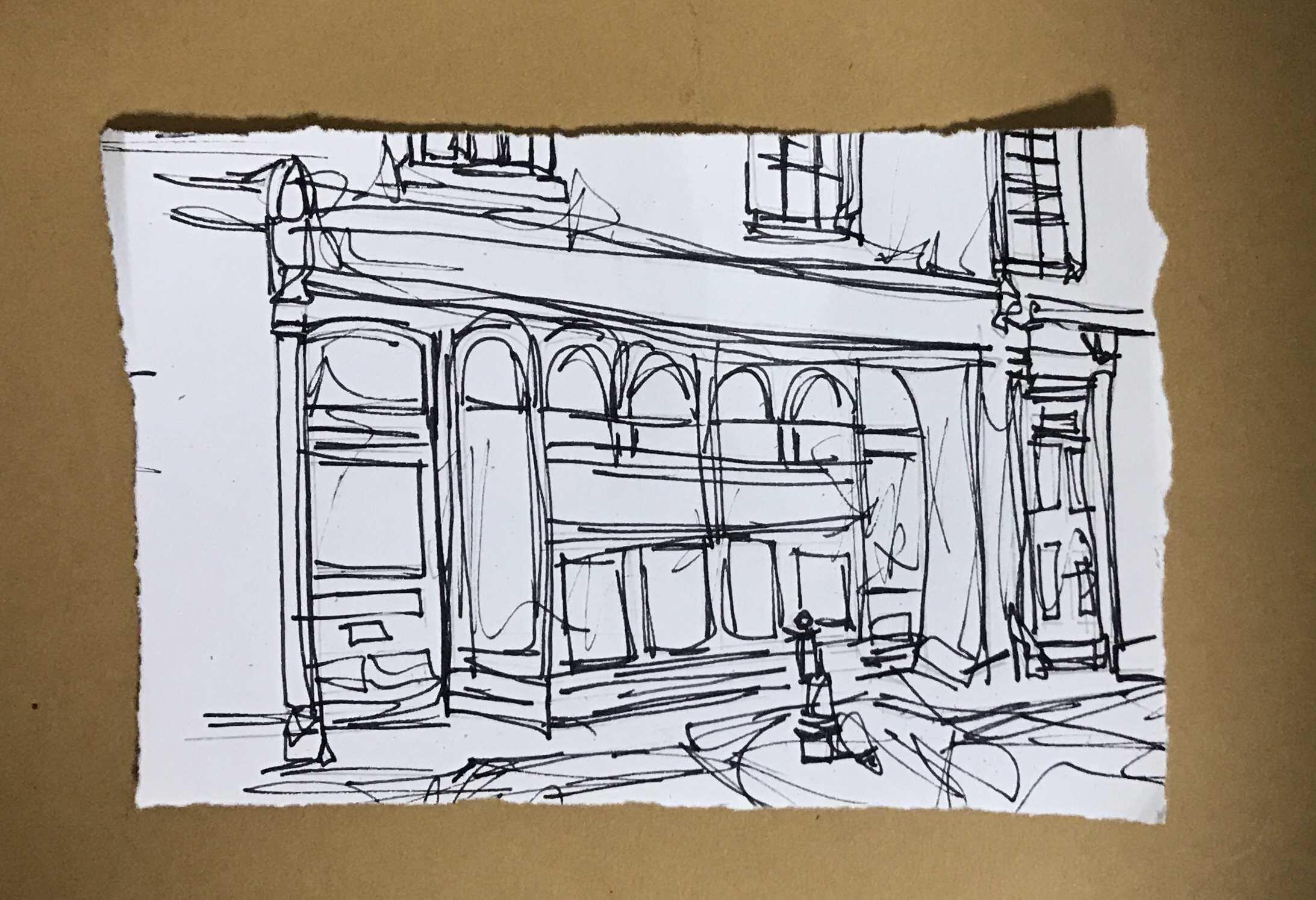
After reading the book and analysing the imagery I have chosen to specialise this section of my project to one particular influential landmark.
Online source’s used within my research;
http://www.brecontowncouncil.org.uk/Brecon-TC/town_history-15981.aspx
http://www.breconbeacons.org/history
http://www.breconrotary.com/about/history.html
https://en.m.wikipedia.org/wiki/Brecon
http://www.castlewales.com/brecon.html
http://www.britainexpress.com/attractions.htm?attraction=527
http://history.powys.org.uk/school1/brecon/canal.shtml (If interested in the local canals).
RECORDING THE RELEVANT INFORMATION:
Another useful source: Brecon Library’s local history exhibition.