Progression and experimentation

From my last blog, I became interested in household items and belongings. Previous research I did was more focused on figurative artists and films which progressed more into looking at my own items and belongings, which holds some form of figurativeness to a persons identity. Using a digital and film camera, I’ve messed around with taking them out and photographing random things. On the the digital camera, I went around my house taking photos in reflections, and then went on a walk to do the same thing. I wasn’t really sure why I was doing this, but it was working within a given space and looking at my personal surroundings and local area through a reflection.

Going from this, I’m in the middle of looking through items in my room. I’m a largely sentimental person and have kept things I either, don’t need or “shouldn’t” have anymore, things I don’t know why I’ve kept, like cards from an online shop I know I’ll never buy from again, or things I have attachment to. I also collect things from other parts of my home. Things I like which may be stored under my mums bed or in a draw somewhere, I’ve taken to claim as my own so they hold some value again. A lot of these items also belonged to my father, these include clothing items as well.

A lot of people including myself use these items as a documentation for an event in their life or a feeling held in the object associated with a certain period. I keep my old journals, or cards written to me, etc, as an identification of myself, who I am and my lived experiences. Some objects I have aren’t just associated with my events and my timeline, but things which previously belonged to my parents that I’ve taken as my own hold some sort of a continuation. They hold the life events and identity of another person and era, which I’m now carrying onto my own life and identity.

I went through some things in my bedroom cupboards and draws, things which I’d stuffed at the back and don’t look at often, but am aware of their existence. A few of these things I’ve taken photographs of as a way of documenting events and minor details as part of a timeline. There is a mental category of things from important to least important, (things which I consider important at least). Currently I’m still looking at things around my room, which may expand into other areas of the house.

These were photos taken in reflections around my home and village. Other photographs were of areas in the house. Comparing my room to my twin sister, ( I didn’t photograph her full room for privacy reasons), interests are quite apparent, and characteristics and personality may be noticeably different to others from the messiness and clutter of my room compared to hers. This is just something I find interesting. I’ve previously made a piece of work based around the relationship between me and my sister and the differences we have despite the exact same upbringing. But variations in experiences and the parents and friends we follow more closely have influences on our behaviours and habits as adults.

Broken sunglasses

Empty smint pack

Phallic shaped mint pack

A flip phone a friend gave me which I never used

Light up toy thumb

Mini Grey Goose vodka bottle

Replica perfume sample, without the perfume inside

An old sketchbook

Opened wet wipes from a stroop waffle shop in Amsterdam

Old watch

Gifted hair clip

6th form award

Gifted book from secondary school teachers

Journal page from 2021

A written page recounting an argument with a friend

Bereavement document

Florence + The Machine vinyl card

Gifted clay painted rose in a box

Ingredients for a beetroot and cauliflower curry

Empty Vaseline case

A rock

Unused goodbye letter

Journal entry from 2022

Red box filled with earrings, USB stick, pin, piece of clay, perfume samples, cut out fabric love heart

Found blades

Part of a sheep skull

Ripped out page

Bed full of belongings

There’s a few artists I’ve looked into related with belongings. Some of the works are investigatory, based around consumerism or identity.

Sophie Calle

Sophie Calle’s works, specifically her series of different hotel rooms, photographed the belongings and state of the rooms left by the visitors which she would investigate as she worked as a cleaner. Below is an example of her ‘Room 46’ investigation, which she looked through the belongings of. Calle would write about what she found as a way of following their routine while staying at the hotel, like how the bathroom was messier because they had a bath, etc. Calle would look through their suitcases, read journals, spray herself with their perfume, eat left over food, wear discarded items of clothing. She would record conversations and peer into the rooms when left a-jar for a few moments. Through her observations and photographs, Calle and the audience use the items as insight into a persons life and identity.

Mary Mattingly, ‘House and Universe’, ‘Anatomy of melancholy’

In Mary Mattingly’s work of ‘Pull’, she gathered all of her belongings and wrapped them around with twine. There were multiple pieces these bundles she wrapped into twine which varied from squares to circles. Some of these bundles were large and structural, being photographed and placed in natural environments, or they were smaller and placed afloat on a lake. A quote from the Mary Mattingly website, “House and Universe describes interdependencies of a material supply chain, global in scope. House and Universe is an allegorical series of photographs that combined living systems like floating geodesic capsules with bundles of personal objects I collected and carried with me”.

There’s not much I could find on her photographs of “Anatomy of Melancholy”, but I’m interested in the spaces and objects that are captured. They’re reminiscent of something which once had a purpose in its existence, but overtime has developed into an abandoned thing.

Michael Landy ‘Break down’

Break down is a piece of work which involved the artist, Michael Landy, to destroy all of his belongings. Each and every one of his belongings were put in a box which were then put on a conveyer belt. Audiences watching would be able to look at the items being destroyed as they passed through. Michael Landy considered burning everything he owned, but viewers wouldn’t have been able to view and identify themselves with the belongings that passed them. Before destroying everything, he made a list of everything he owned, and the only thing that remained by the end was a boiler suit he wore during the whole process. The project was related with the nature of consumerism and his fascination with the constructive potential of destruction. “Break down was a kind of bonfire of the vanities for the 21st Century”.

Tracey Emin, ‘My Bed’, ‘C.V. Cunt Vernacular’

Tracey Emin’s video is accompanied to her written CV which is a retelling of her professional and emotional experiences read aloud. Through this narration, the viewer is taken through a tour of Emin’s home. We view different areas of the home and items she owns, this piece of work is also part of a self portrait, it’s a journey into her personal life and identity. The narration of Tracey Emin is emotionally charged and details parts of her life which are traumatic, and other parts happy. This is in contrast to the objects that surround her which are an ordinary part of a persons life.

‘My bed’ is similar to Emin’s CV, but focused on one part of a persons home that is the most used. Her bed was taken from her home and put on display for audiences to see, this happened after Emin had experienced a depressive episode, which left her bound to her bed. Vodka bottles and wine bottles are placed near the bed, the sheets aren’t clean and the bed isn’t made. We get insight into this period of her life with the state of the bed. A bed is an item that can be judged by most people because it’s comparable, it’s something that most people have. If someone has empty bottles of wine and cigarette packs around it, we can garner some insight into their life in that moment of time.

The artists I’ve looked into are making me consider my relationship with my items and my room, I’m still looking through this area as benefit to myself since it’s something I’ve felt slightly disconnected from. Previously before moving in here which was when I was around 15, it belonged to an elderly woman. My bedroom does not feel like it is my bedroom but still belonging to the guy who slept in here, the only difference is that it’s full with all my things. But the objects make me aware of the spaces I’ve taken up within the household.

Thank you for reading!

Artists and films: Research

During this past week, I’ve looked at films and artists as a source of research and influence. These have mainly been sourced out of curiosity and interest in the film/ artist. Notably, a few pieces of work have stood out to me:

Orlando, film:

Adapted from Virginia Woolf’s book ‘Orlando’, the 1992 film is based around a main character, Orlando, who goes through 4 centuries both as a man and as a woman. In the first half of the film, we see Queen Elizabeth I command to Orlando that he may never grow old. This addresses contemporary concerns around gender and identity during different eras of life. The film is less focused on story and plot, but more so a vision about human existence. The film portrays a lot of androgyny, something I resonate with and have an interest in. More recently, androgyny has been a safe space for me. Male clothing serves as a comfort and almost persona like feel and creates a different experience for me during various situations.

Orlando (Tilda Swinton) in the film Orlando Scene 25 Photo by Liam Longman © Adventure Pictures Ltd
Orlando (Tilda Swinton) in the film Orlando Scene 53 Photo by Liam Longman © Adventure Pictures Ltd

Rimaldas Viksraitis, NAKED:

I’d found a book in the Mission Gallery library which is just a series of images that the photographer Rimaldas Viksraitis had taken. It doesn’t include any text, only photographs of Lithuanian people who are nude and local to his area. His photography focuses on the people and life of rural Lithuania. His subjects are often found in curious positions and situations, which he manages to take these images by becoming well acquainted with the people around him. Some of his images include revisiting people he knew from years ago and photographing them as they’ve aged. He observes these places as the area has grown but the citizens of it have struggled to adapt to these changes. There’s humour in the images though there’s darker topics. Some subjects in the images are almost performative, with equipment and masks being worn. Rimaldas’s photography is a mixture of surrealism and documentary, though he leans more into documentarian ways of photographing and strays away from putting his subjects into performative places for the most part. He focuses mainly on capturing moments very spur of the moment, and leans into his culture and local area for this. I’ve managed to get an old film camera working, and trying to use this on a regular basis. Mainly using this in my local area, on routes I take often, on places I visit often.

Yoshitomo Nara:

A book I picked up at an artists store, goes through paintings and sketches from artist Yoshitomo Nara. His art is mainly about conflictions expressed during childhood like anxiety and emotions which is represented through cartoonish figures. His figures have large piercing eyes, and the subjects often infuse violence with his childlike figures. I’m a large fan of portraiture and sketching onto pieces of paper or journals, which I find Nara’s art is reminiscent for me. More in my studies and practice, I’m learning to use sketching as a way of organising thoughts and having an outlet for ideas. These are artists I’ve looked at more recently, but there’s a variety of others I’ve thought about over the past few weeks. Cansu Yildiran (photographer), Jon Rafman (Digital artist, film maker), Egon Schiele, La Jetee (film).

Throughout the next week, I plan to work on a subject to aim towards, or to simply experiment with a variety of things which may form into something.

Cansu Yildiran

Cansu Yildiran

Jon Rafman

Egon Schiele

La Jetee (film)

Digital residency Introduction, Mission Gallery

Hello!

This account has been made as a way of documenting my process and research which help to develop my understanding within my practice, but also myself as a person.

Within the next few weeks, I’ll be uploading images and text which go through ideas and development of what I’m interested in. I’m newly stepping into my practice of art, and gradually discovering my likes and dislikes, what I enjoy in the process of creation and what resonates with me in various ways.

My exhibition piece as part of the UWTSD, Foundation Art & Design exhibition was a film piece using images and memorabilia with narration put over it to voice the queries and memories I have now compared to my perspective of how I perceived moments with him back then. From this, experimentation with different mediums is something I want to take further as a result of experiences and how I interpret them.

I hope you enjoy witnessing this period of trying new things creatively and learning through the process. And thank you to Mission Gallery for giving me this opportunity :).

Coming to an End

Nia’s Work

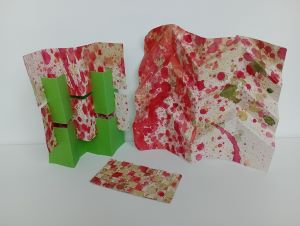
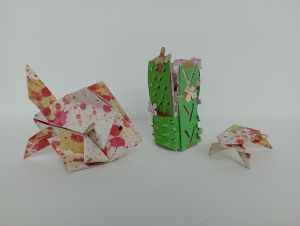
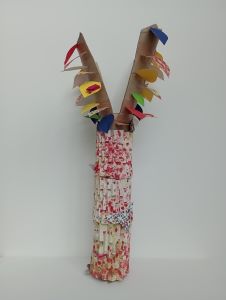
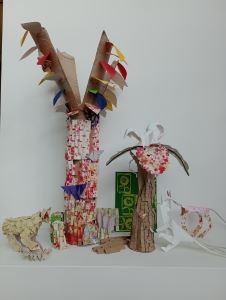
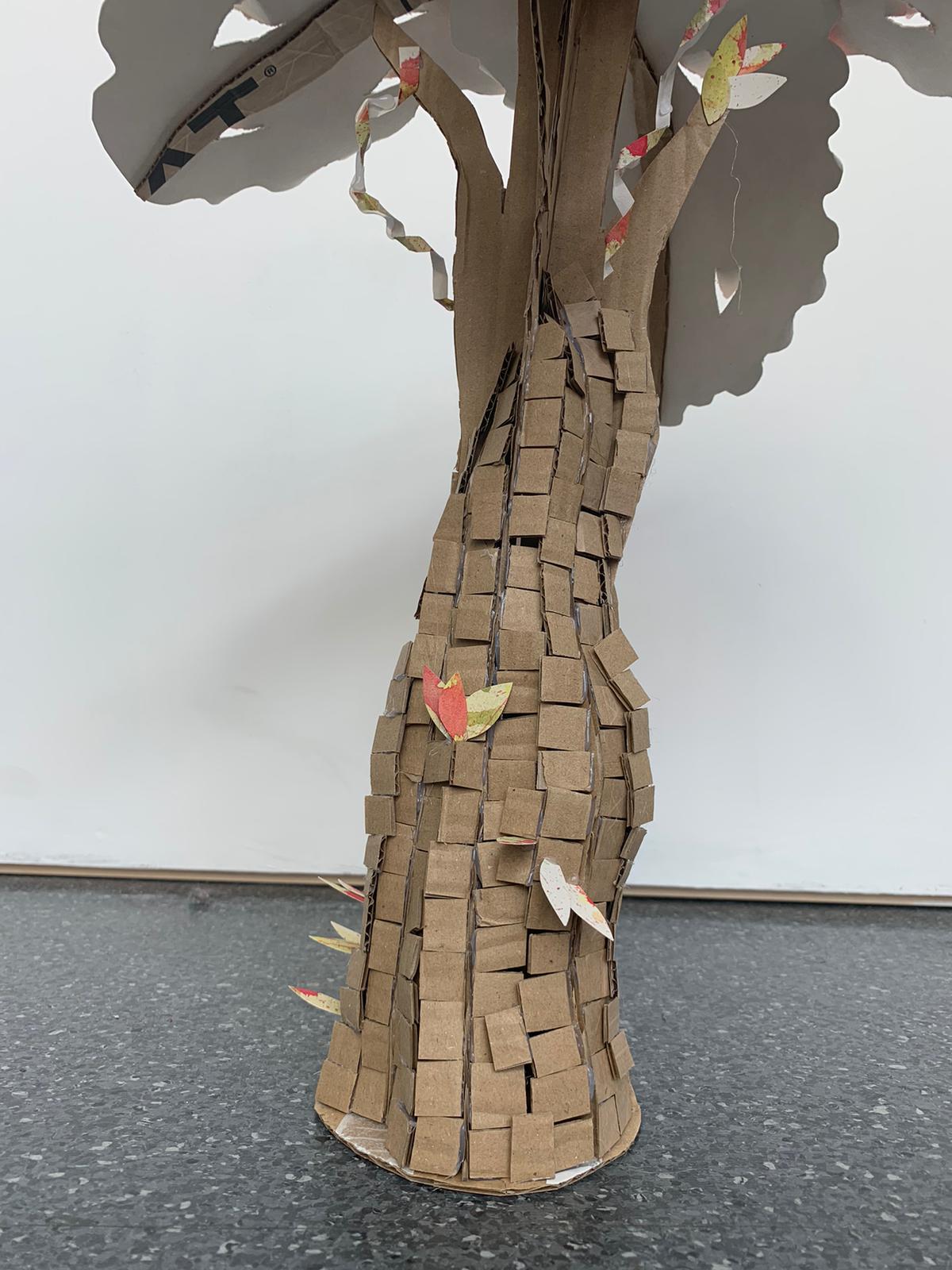
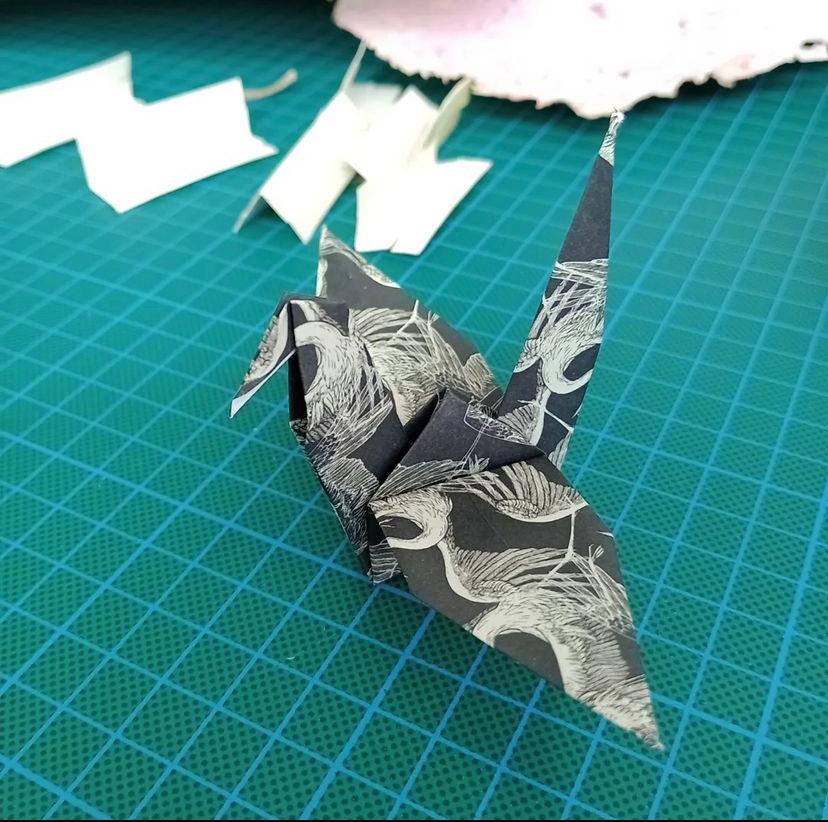
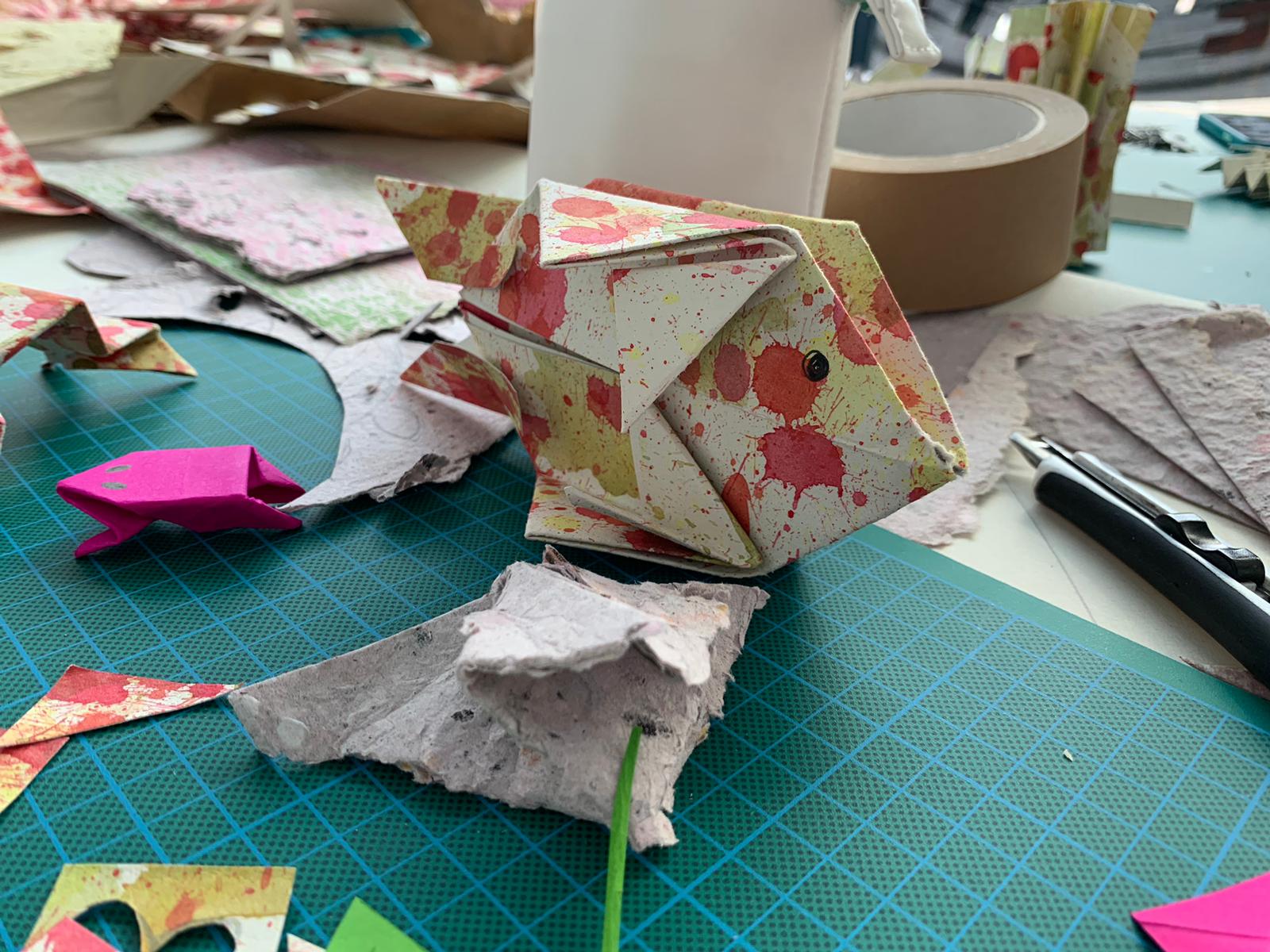
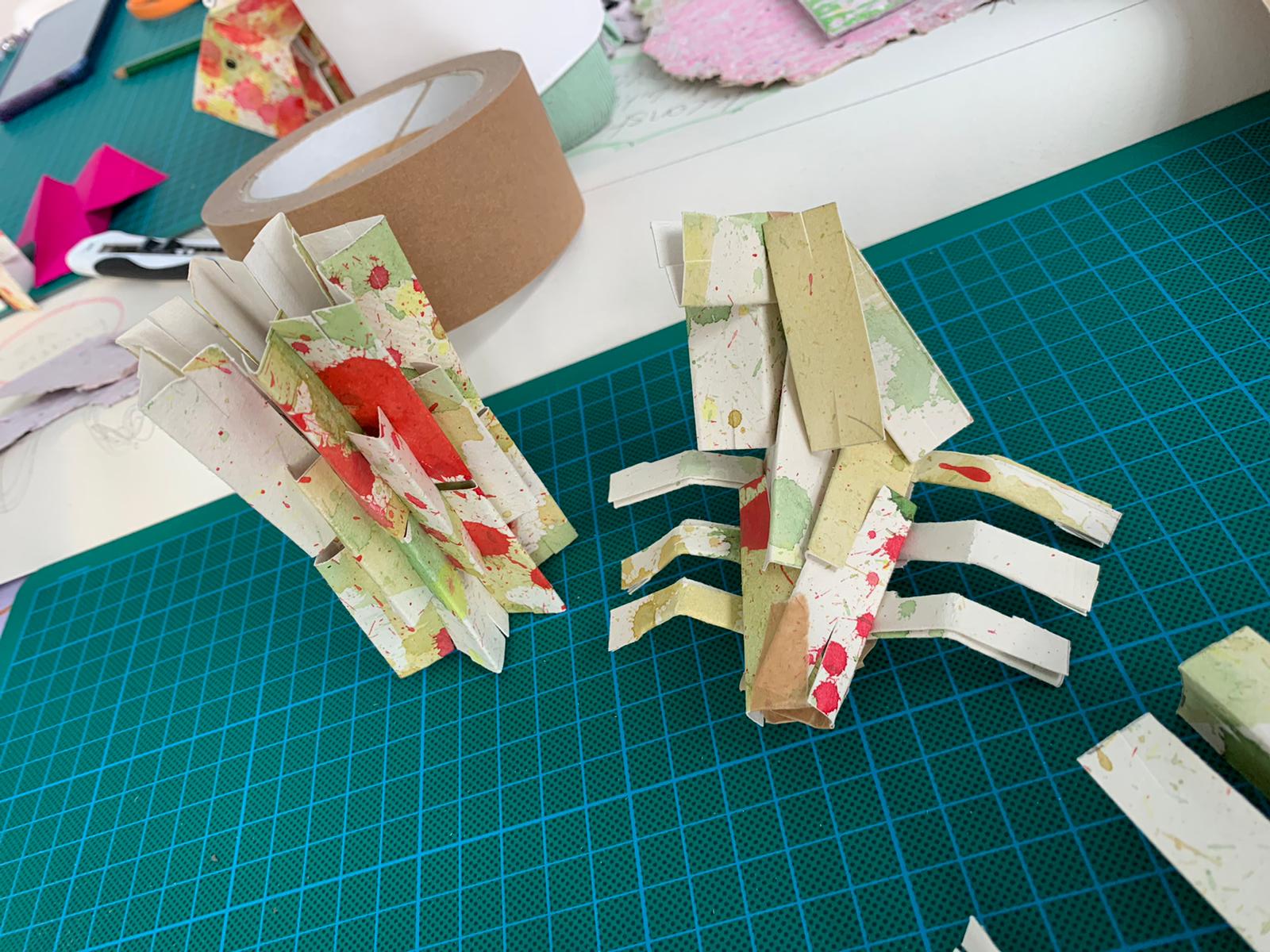
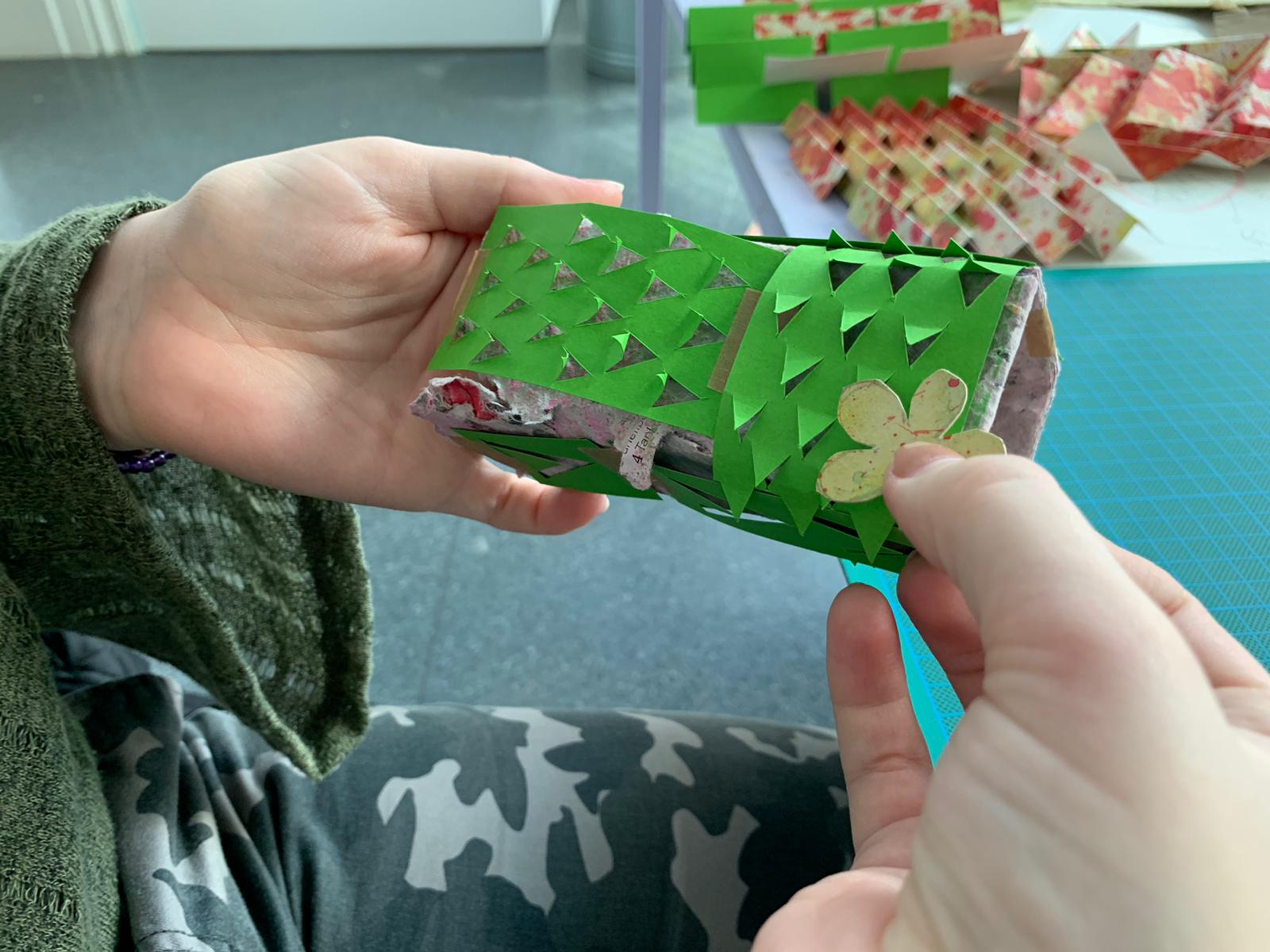
This experience has given me a chance to work collaboratively for the first time. It was intriguing to learn about each other’s practises and get to use them to create a final work that demonstrates all these skills. I personally enjoyed the chance to reuse previous work and recycle scraps into something new and interesting, showing that you do not need to have brand new materials to create beautiful art. We mainly looked at each other for inspiration during this project, trying to find a common ground that interested us all, with nature being an obvious topic. However when briefly looking at more well known artists, I came across a work I’ve visited in the National Museum Cardiff, a piece by Su Blackwell called ‘Sessile Oak’. This work uses an old Cardiff business directory to create a tree from the pages. This tree appears to be growing from the centre of the book. I felt that this work was a lovely example of what we were trying to do in our collaborative practise, reusing something old or useless and making something beautiful from it.

I would like to thank the Mission Gallery for this wonderful opportunity, my fellow artists for working with me and the Foundation Staff at Swansea Collage of Art for use of their support and use of the studios.

All our work come together!

thank you

We’d like to thank Mission Gallery/Jane Phillips Award for awarding us this Digital Residency at the end of our Foundation year at Swansea College of Art & Design.
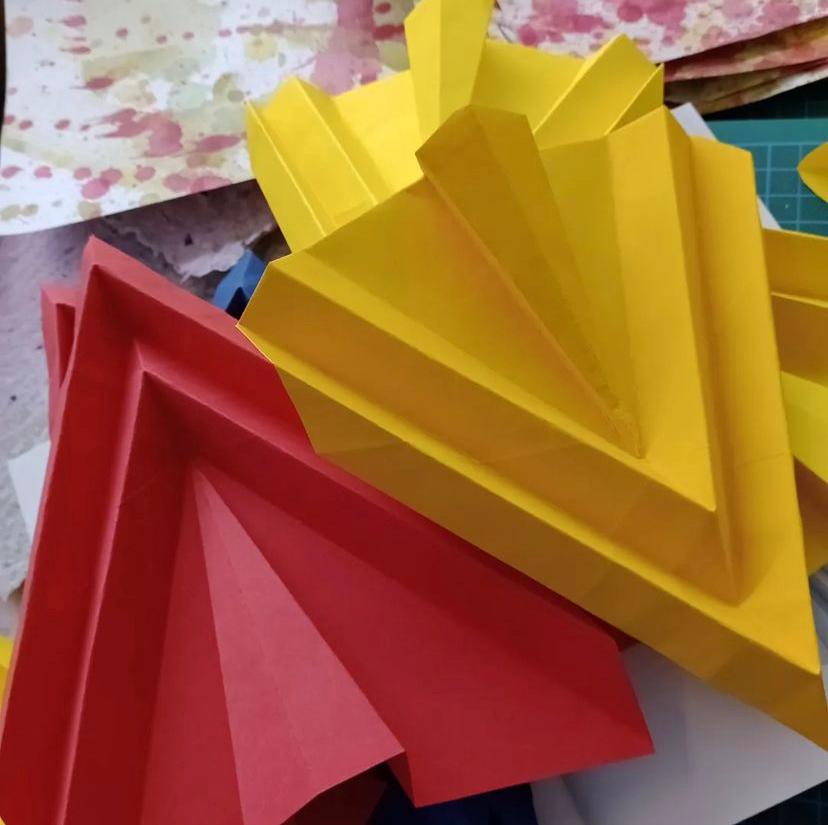
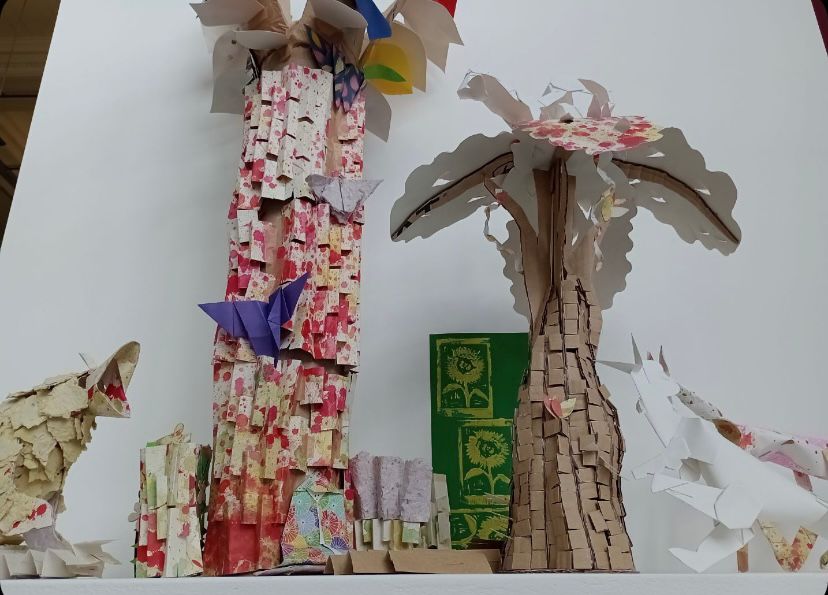
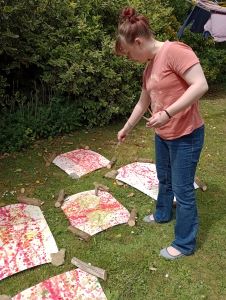
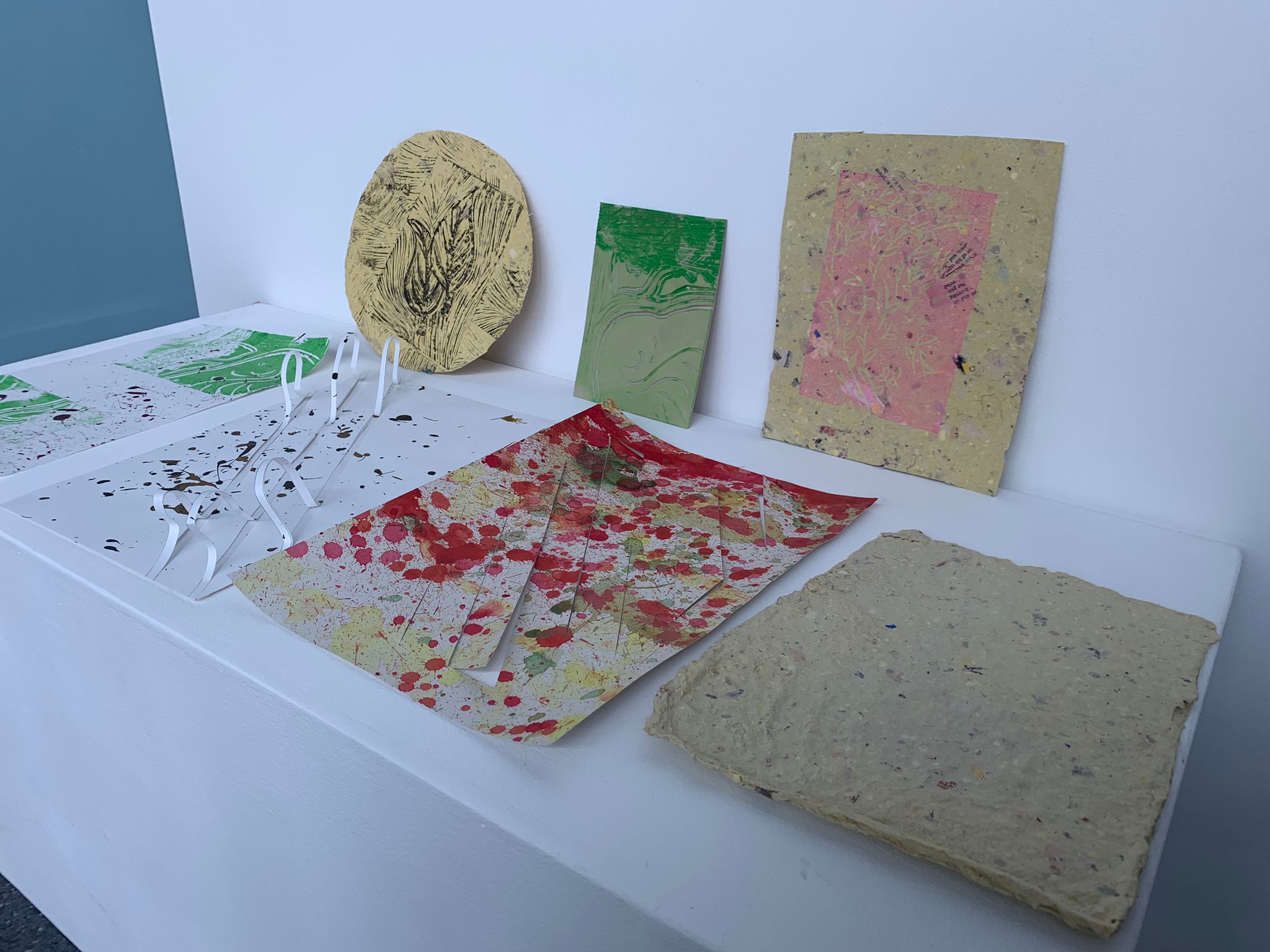
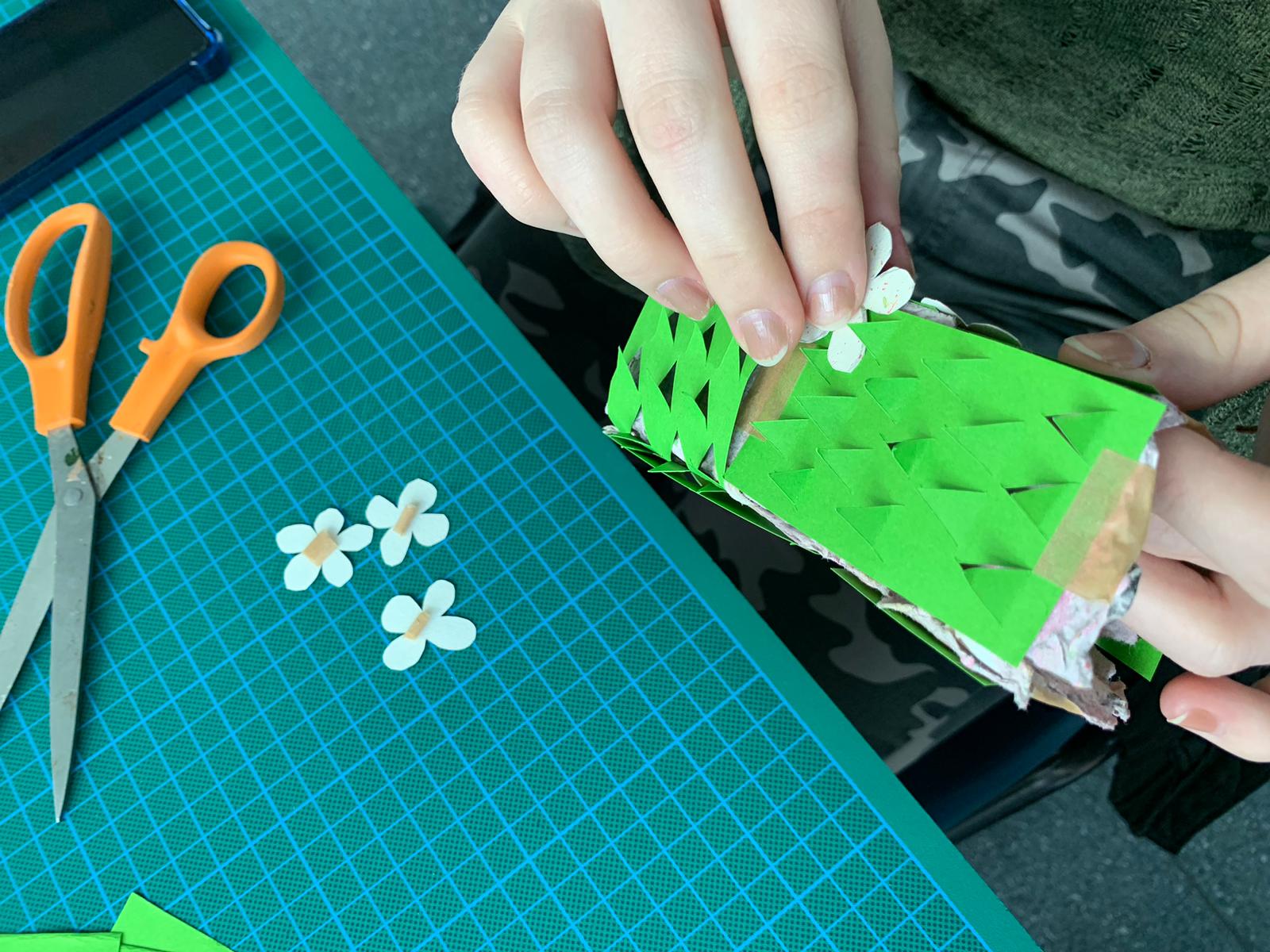
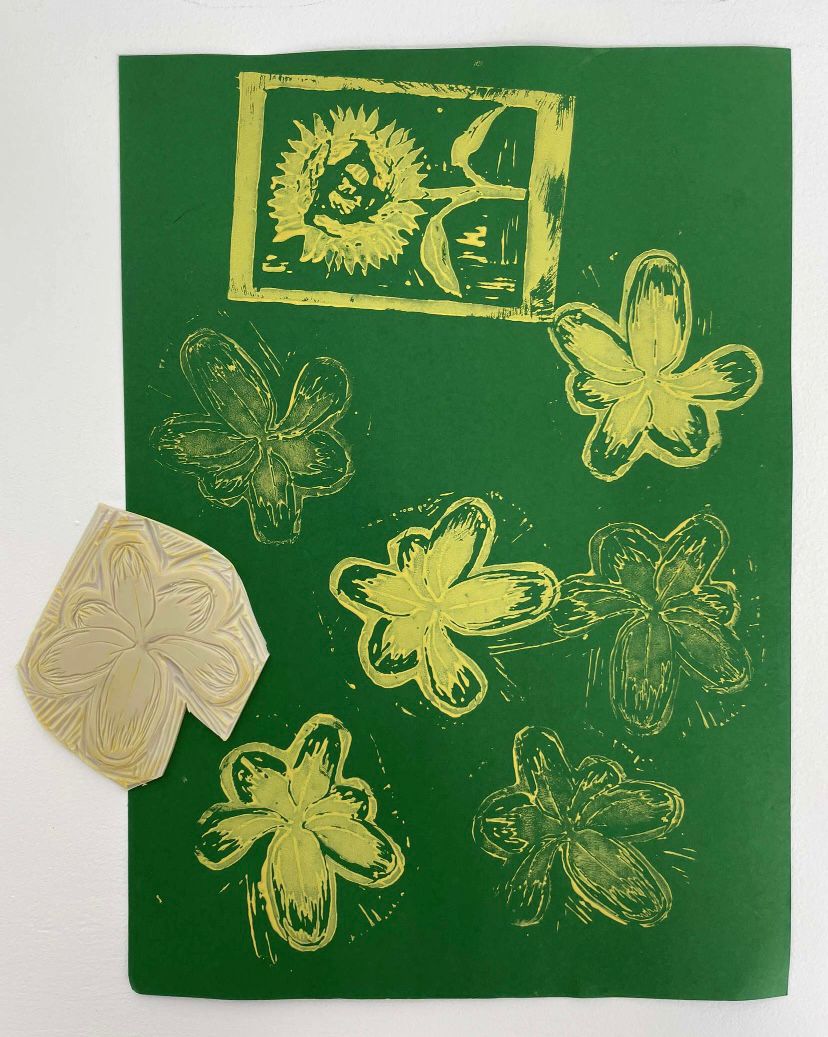
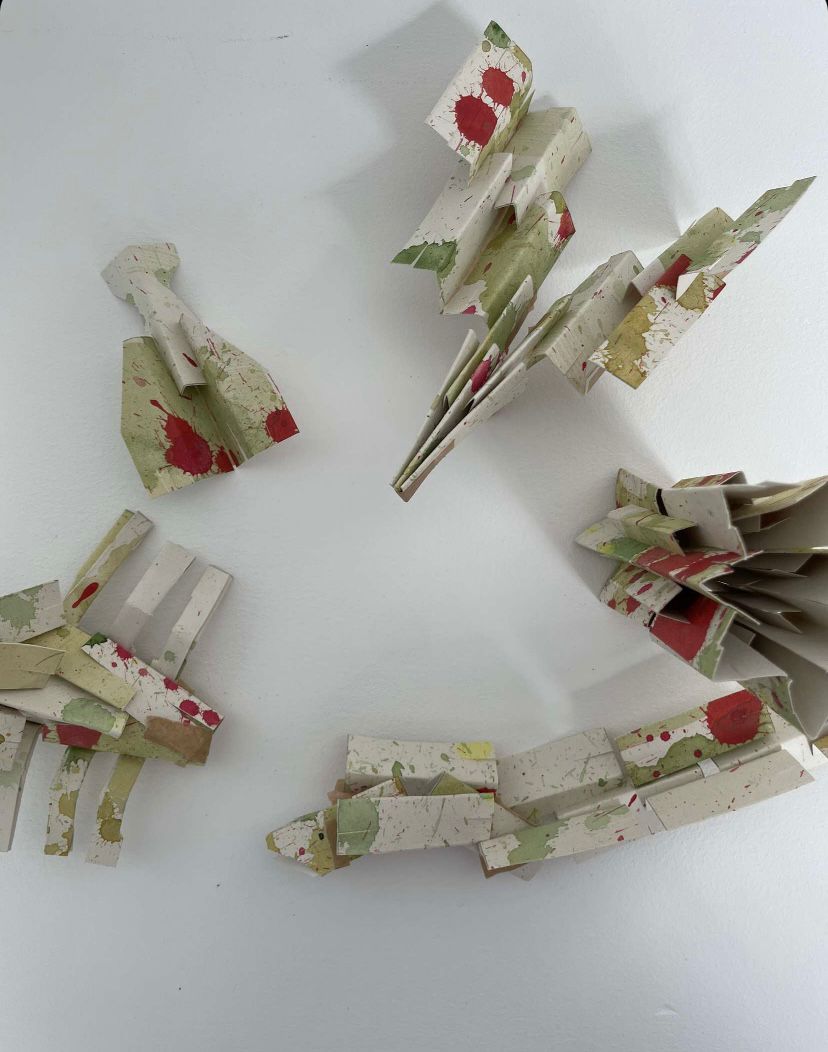
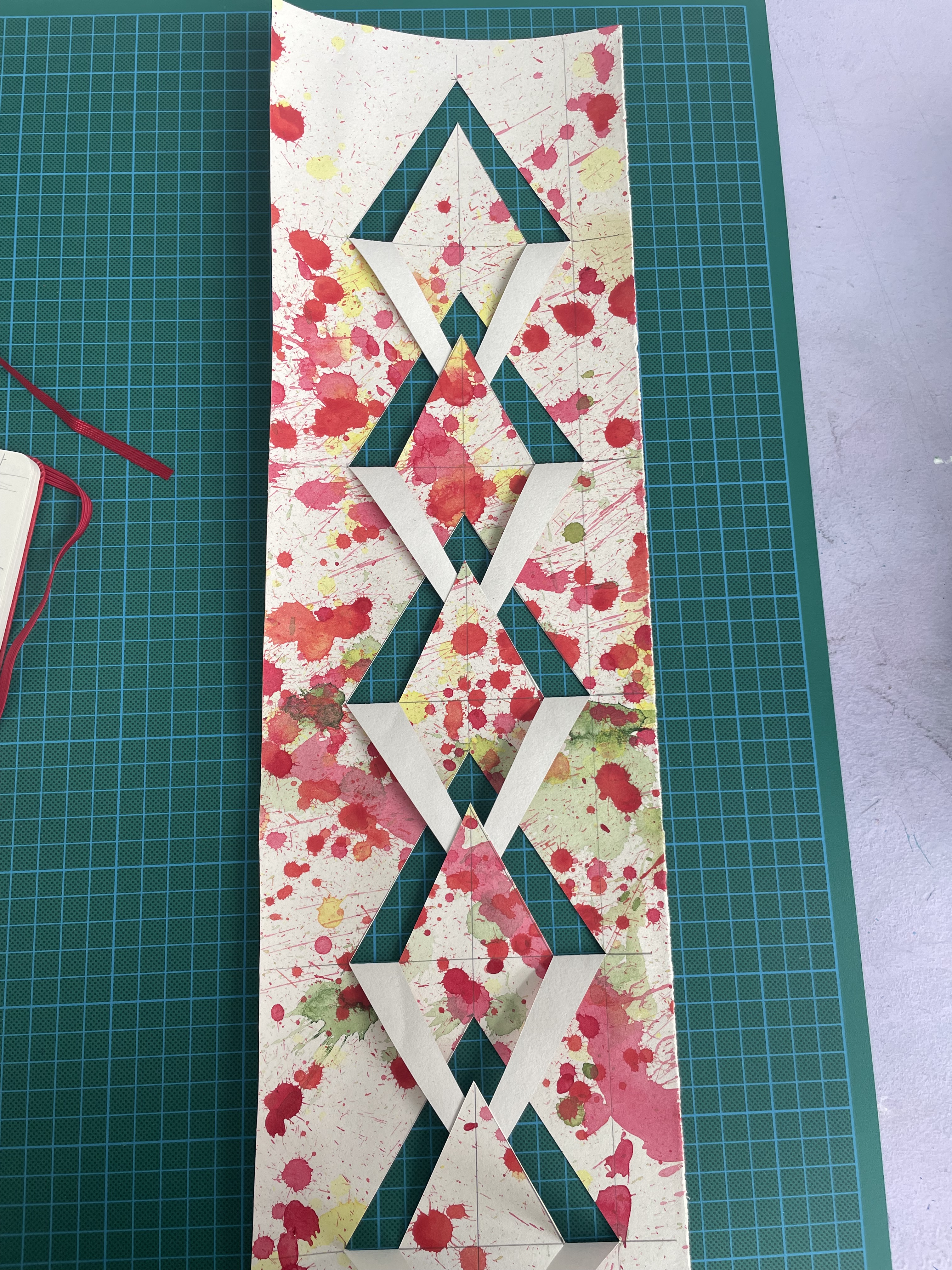
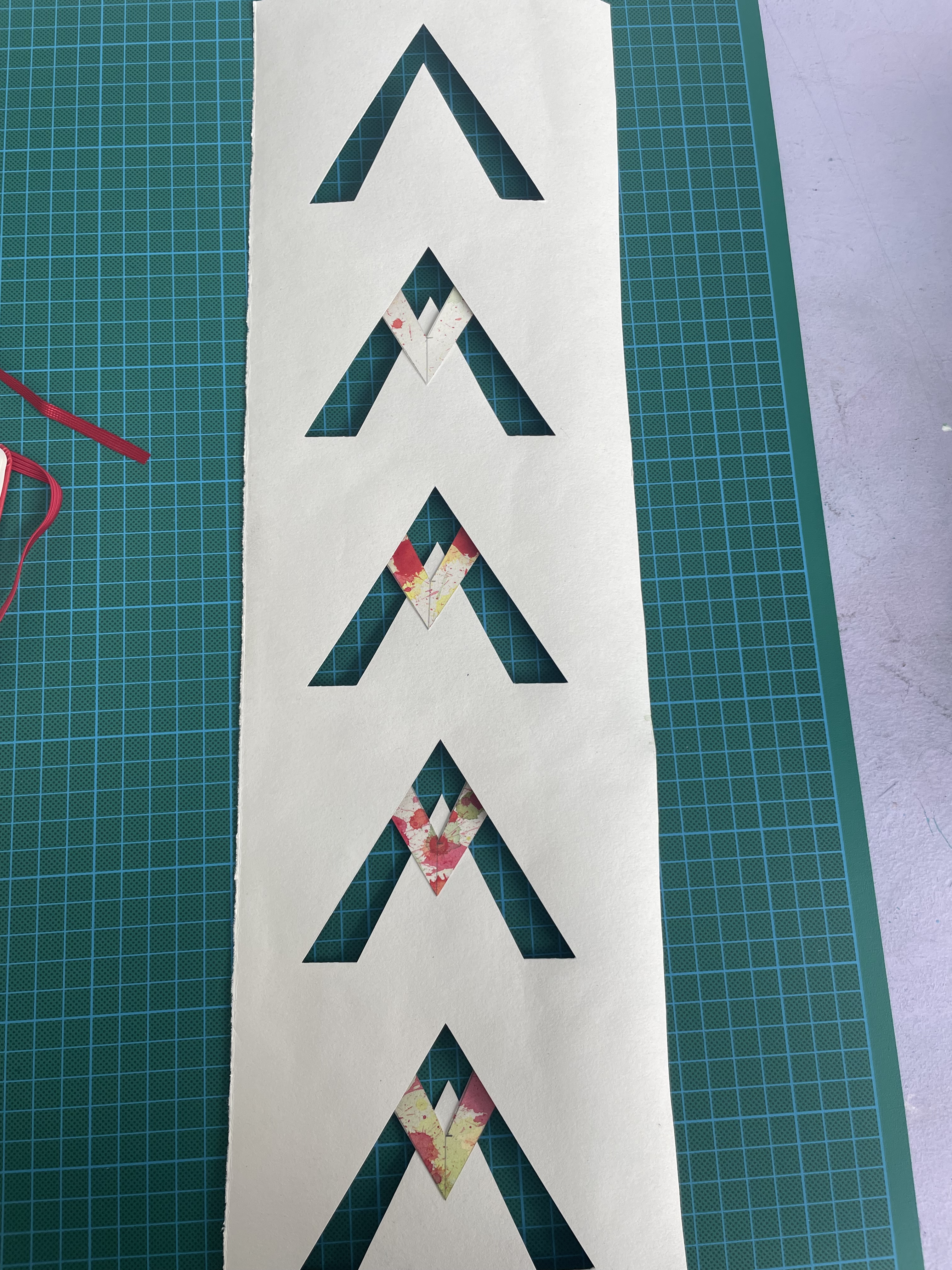
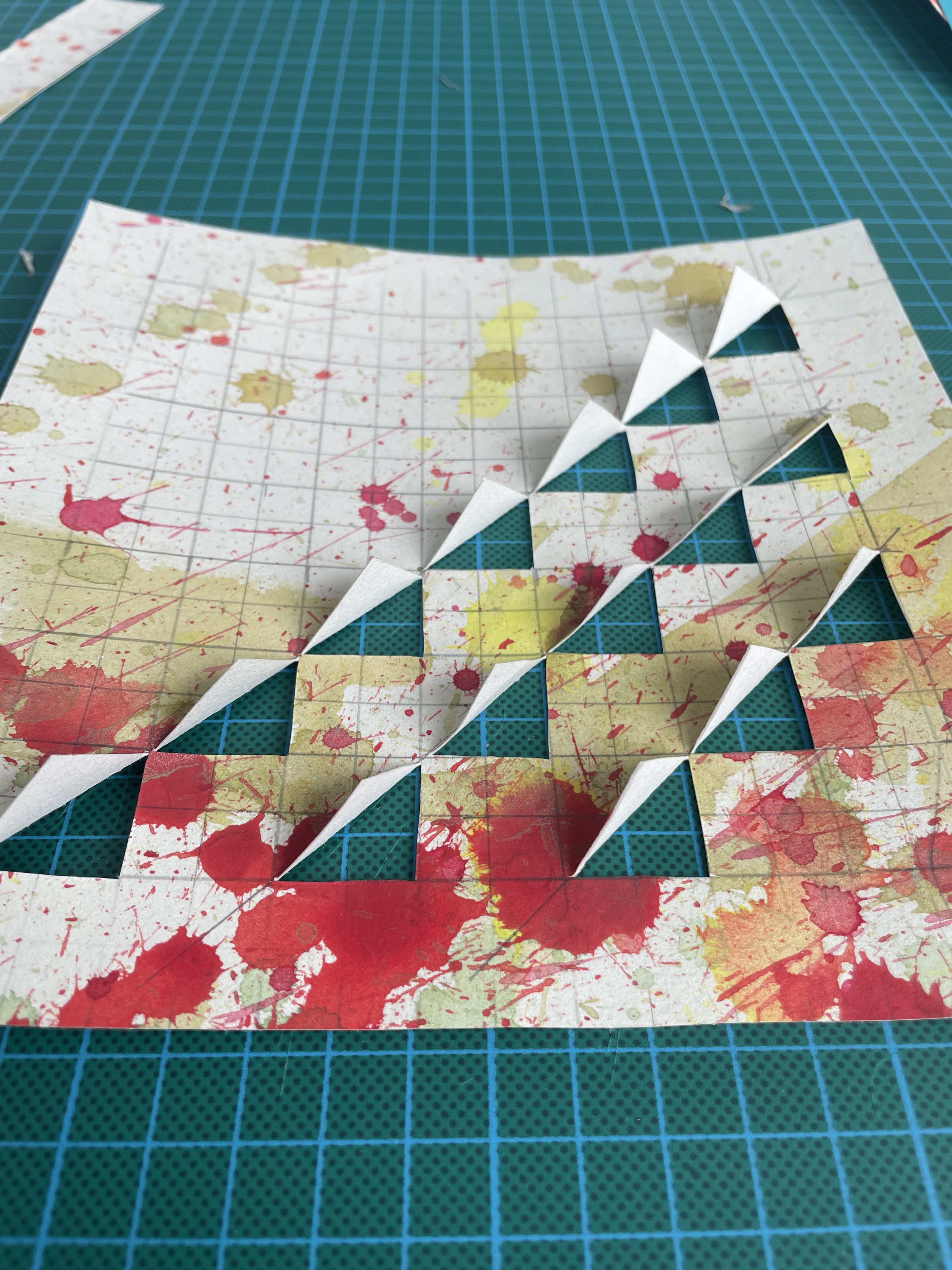
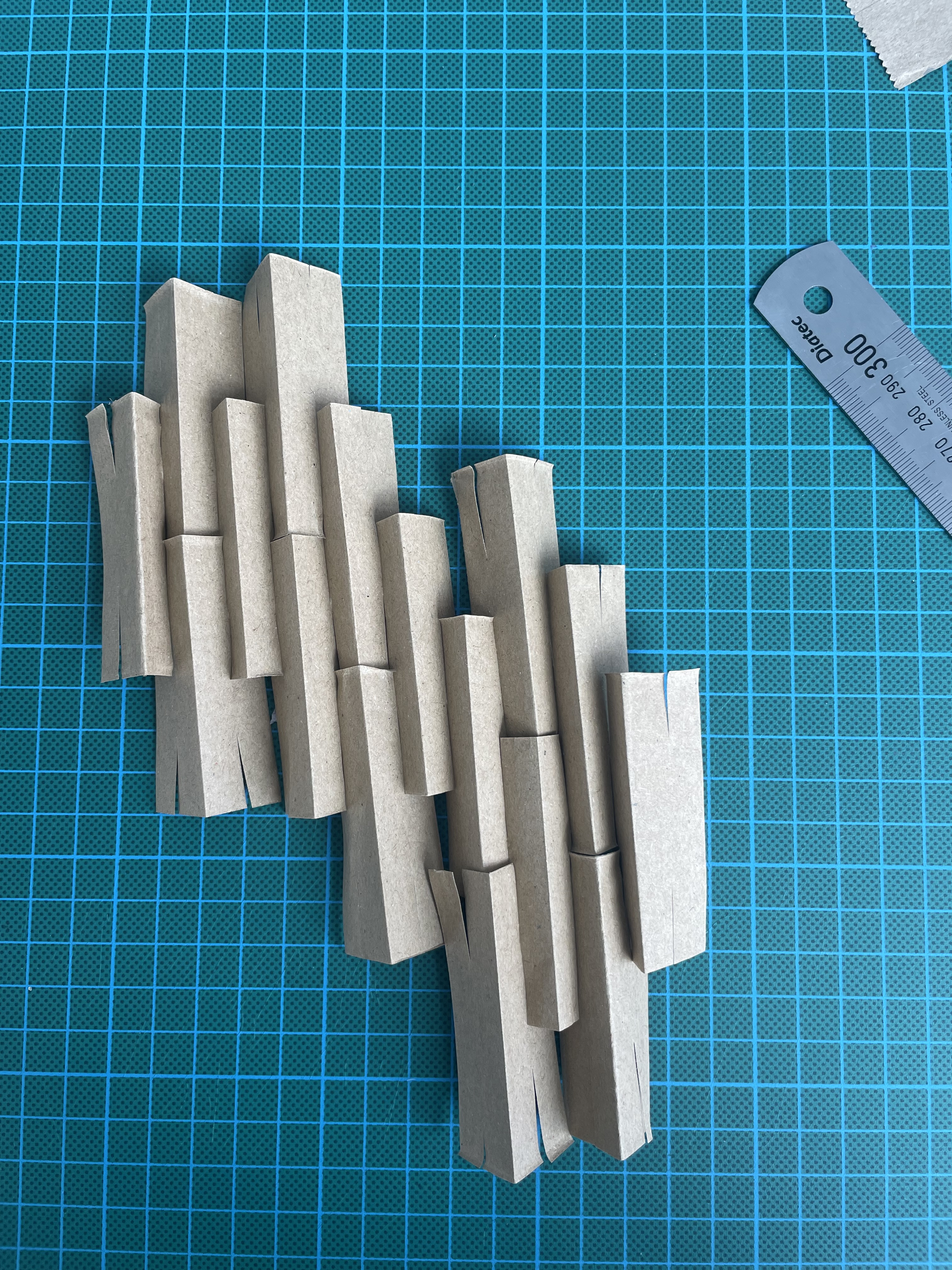
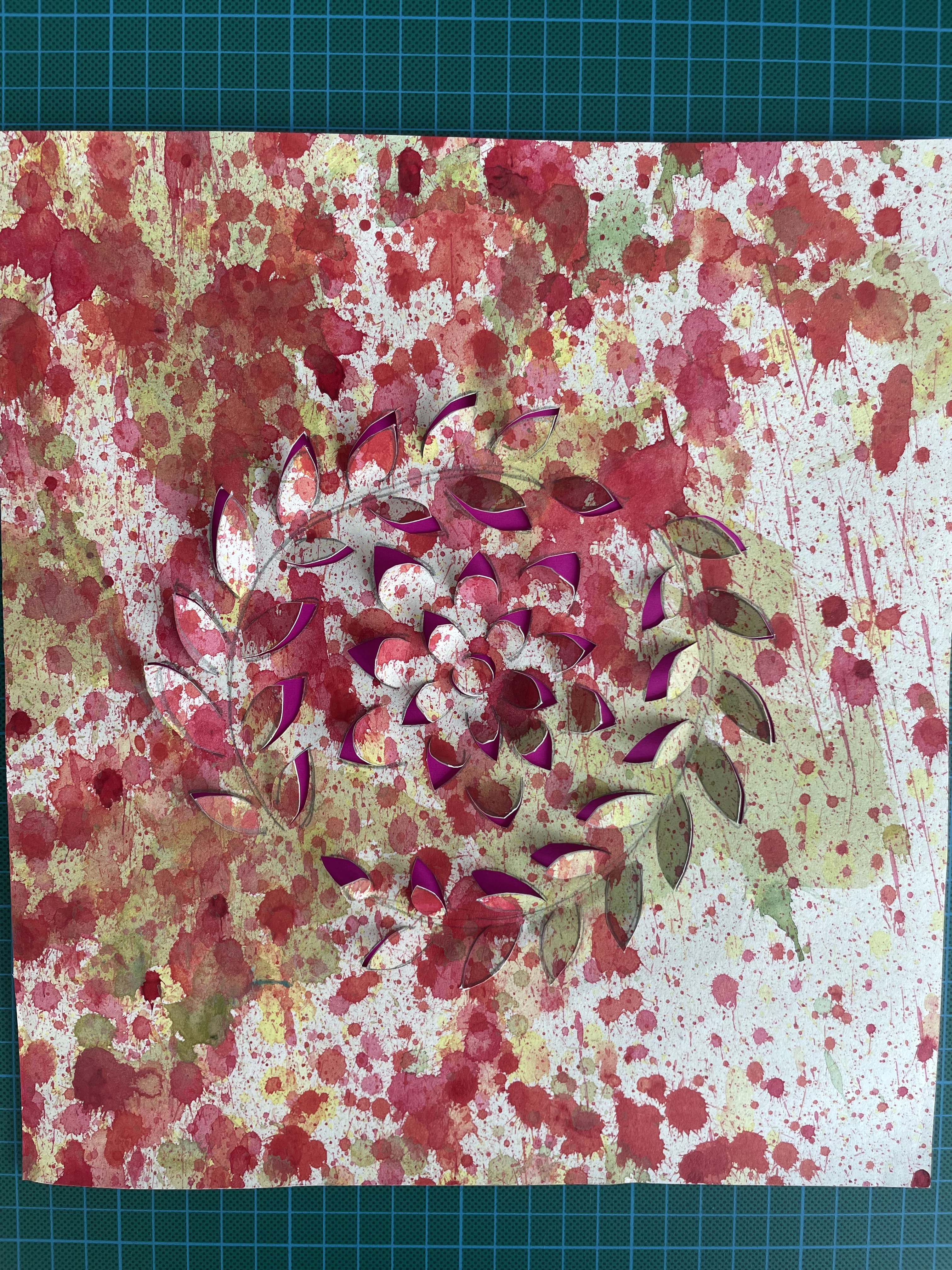
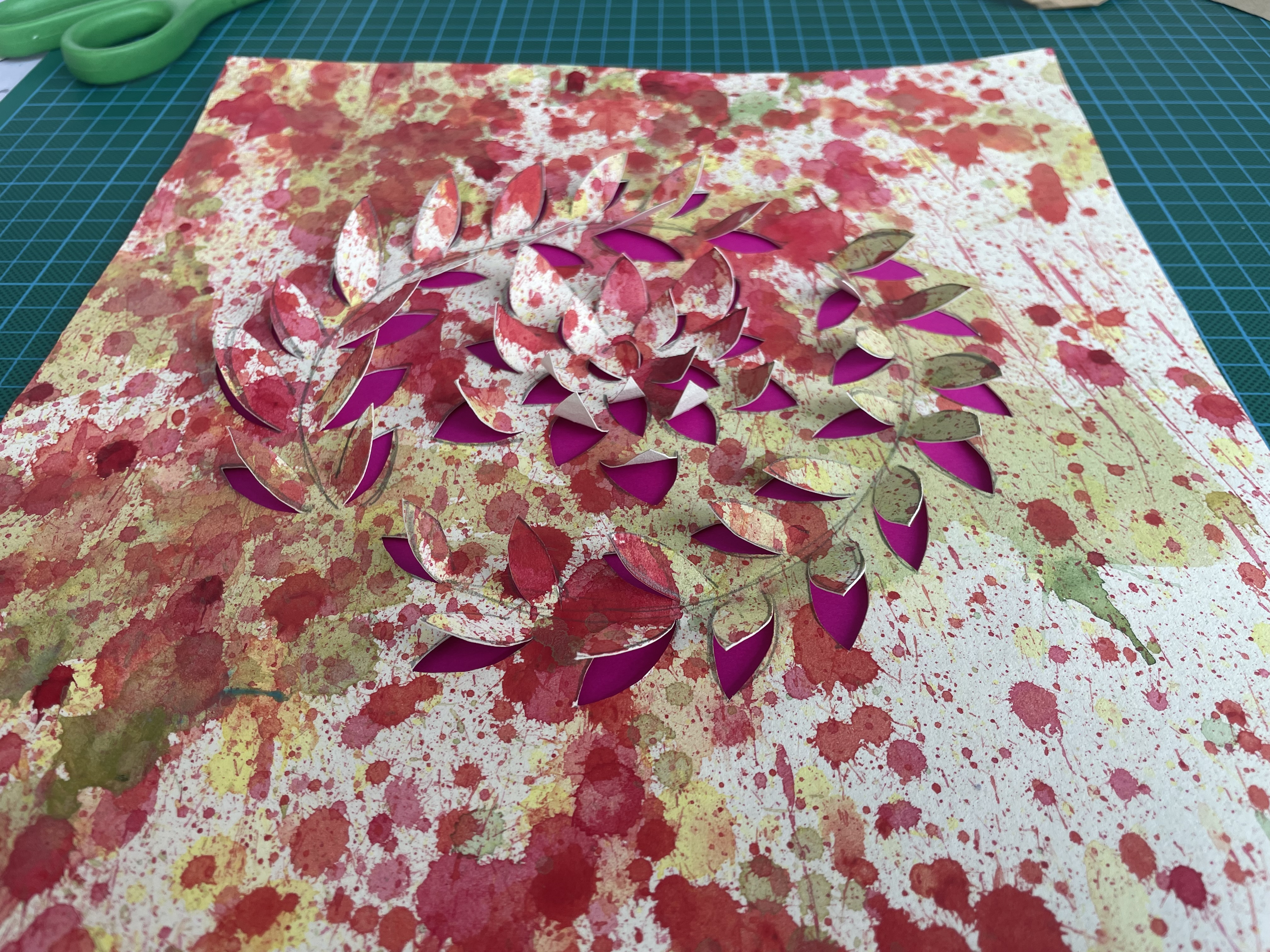
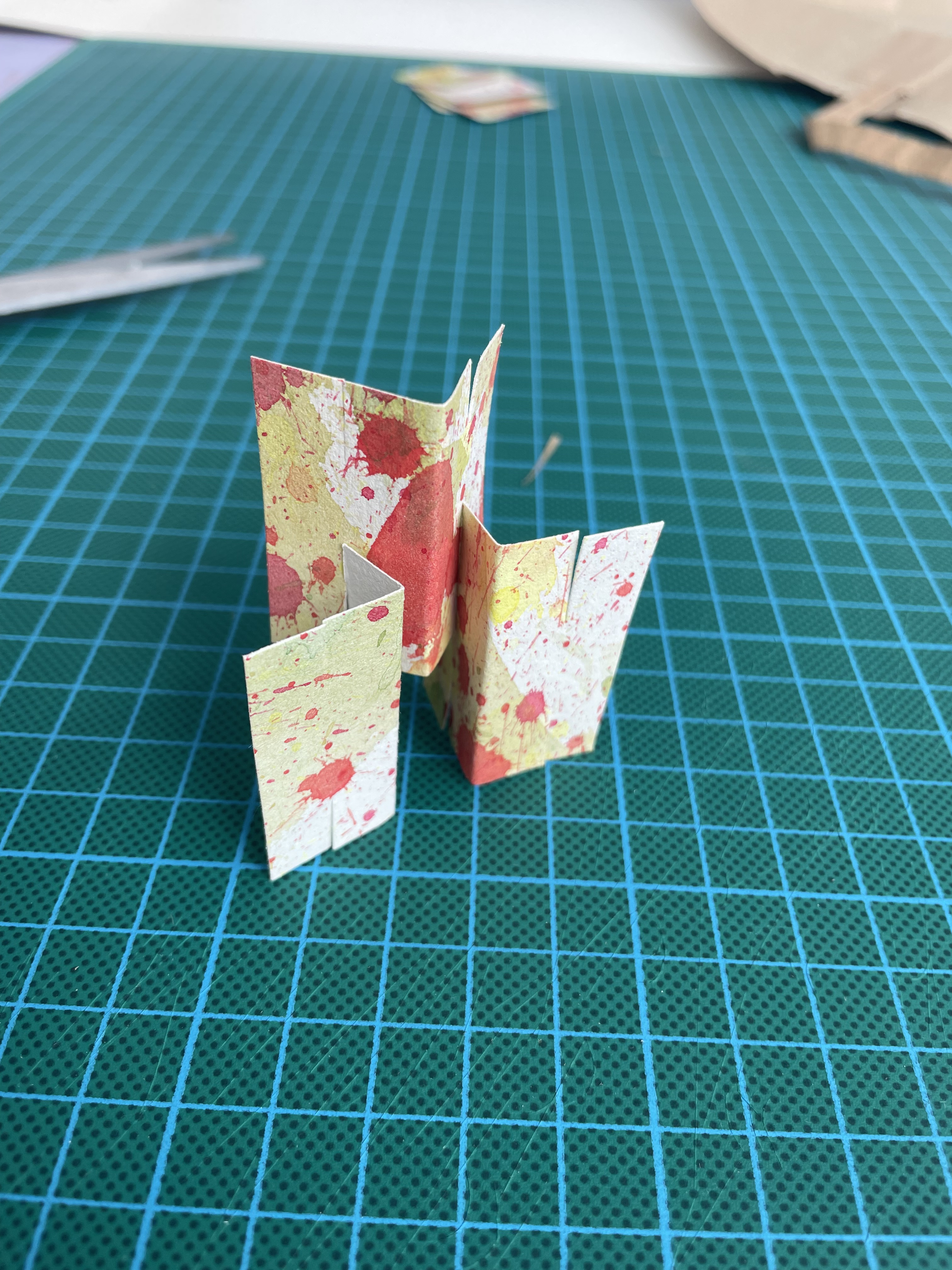
Our brief was to see if we could collaborate in our work through the residency. This wasn’t easy because of our very different approaches and preferred media. So we chose a path that combined some of our existing strengths but took the three of us in a single direction – a process of exploring paper as a medium both in 2D and 3D. We took natural elements as our theme all the way through, and at the end we created a small world of paper!

The discipline of collaboration from an artistic point of view was quite challenging! But we have very much enjoyed this valuable experience.

Thank you for the opportunity,

Seren, Nia and Isabella