
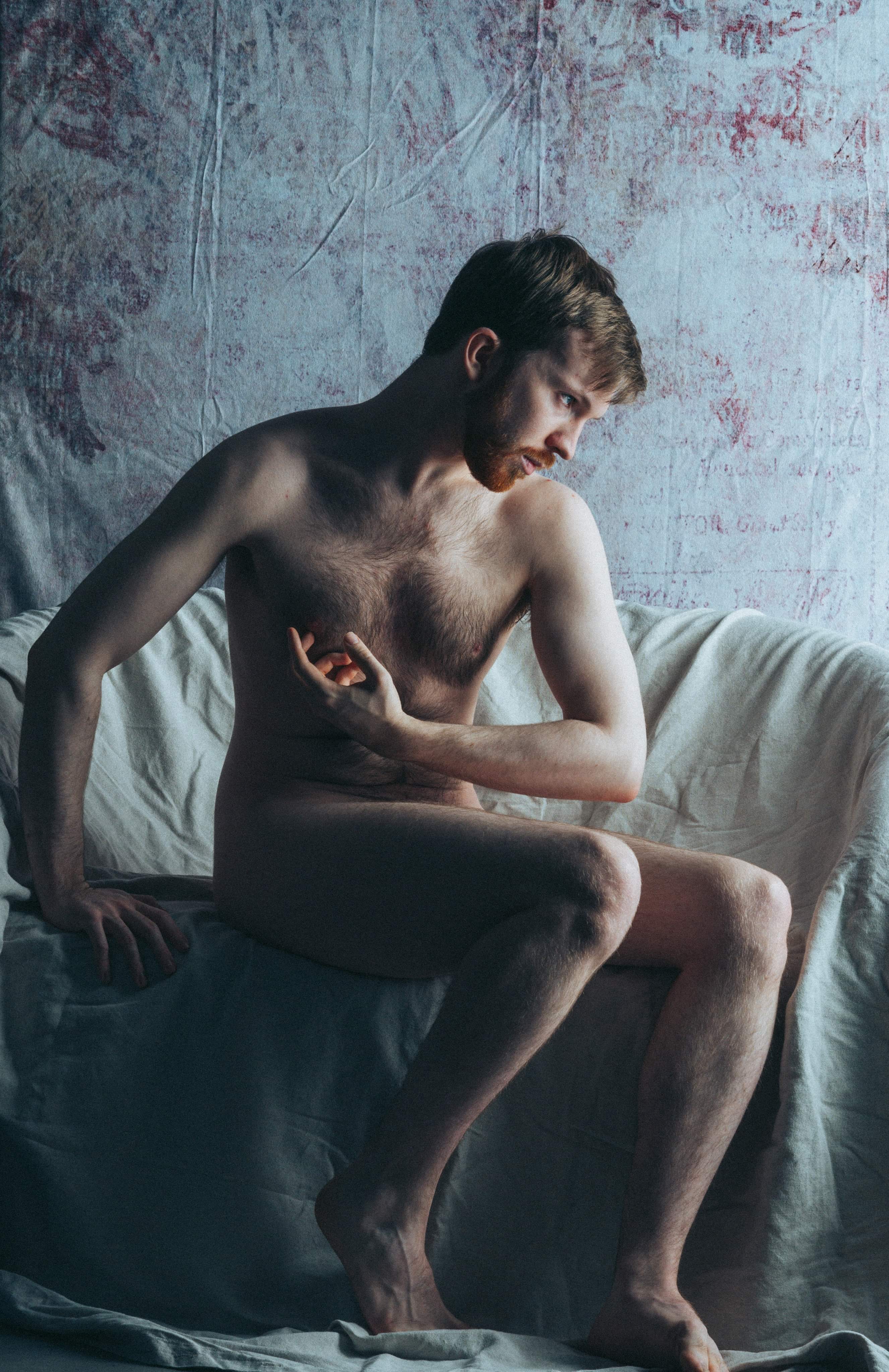

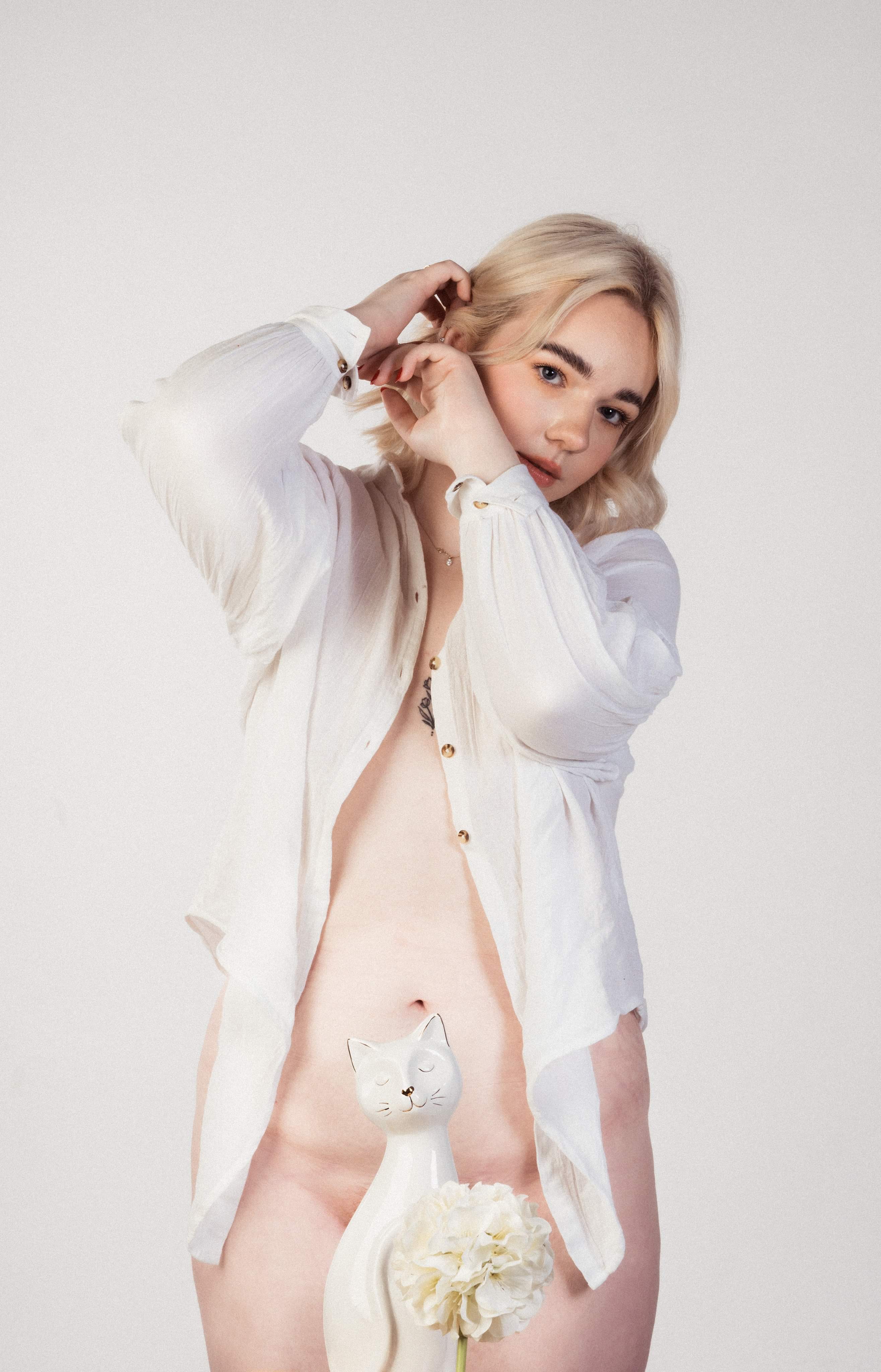
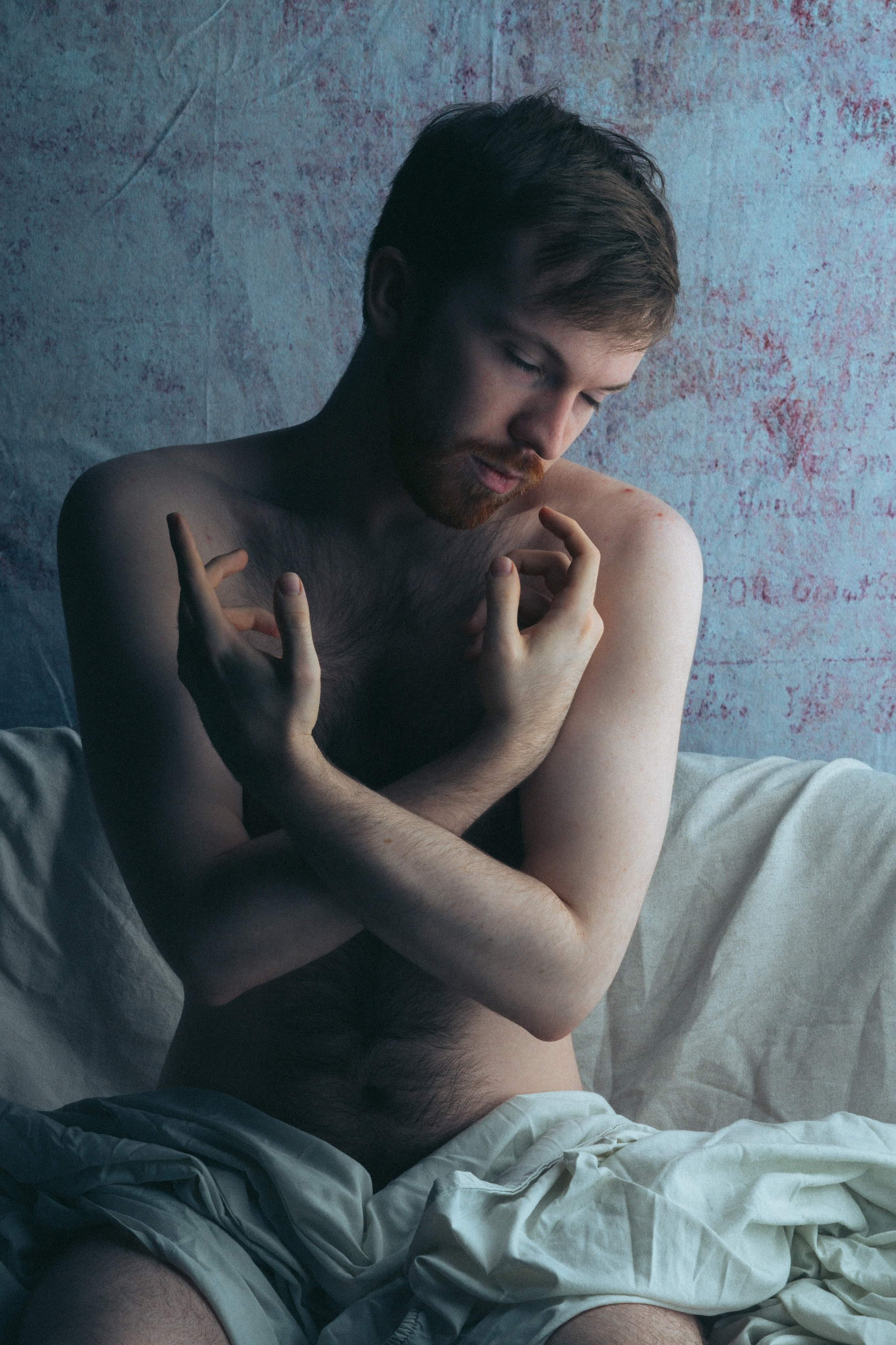
Series of images inspired by short stories “The Company of Wolves” by Angela Carter, ” Cat Person” by Kristen Roupenian, “The Year of Spaghetti” by Haruki Murakami and “The Hansomest Drowned Man” by Gabriel Garcia Marquez.

Series of images inspired by short stories “The Company of Wolves” by Angela Carter, ” Cat Person” by Kristen Roupenian, “The Year of Spaghetti” by Haruki Murakami and “The Hansomest Drowned Man” by Gabriel Garcia Marquez.
Modern society is surrounded by photographic images. The proliferation and ease of use of photography has made it an integral part of life, as a participant in society. Collection of photographic images in physical albums or on digital media – allowed people to archive their past. It has become a great human proof of past history that he can visually share with people close to him. Photography captures the visual reality and documents it – to capture what is real (visible). But what is that reality? What is her relationship to reality? How much truth lies in the image? The photographer must be responsible for presenting the situation in a fair and honest way, he can’t do manipulation of the technical image, but also can’t manipulate the emotional impact.
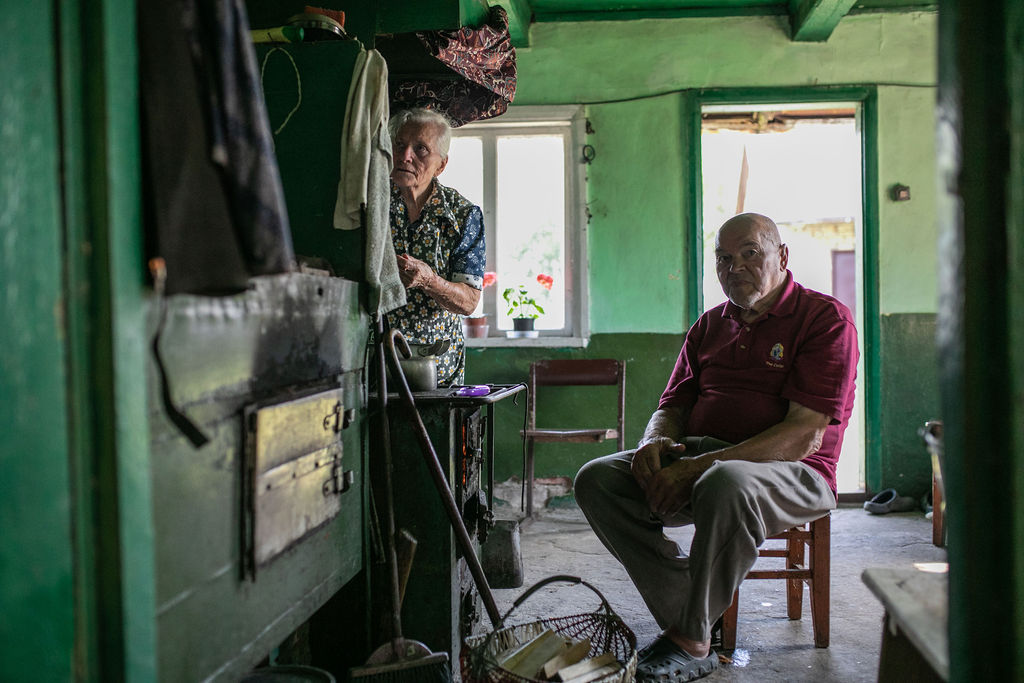
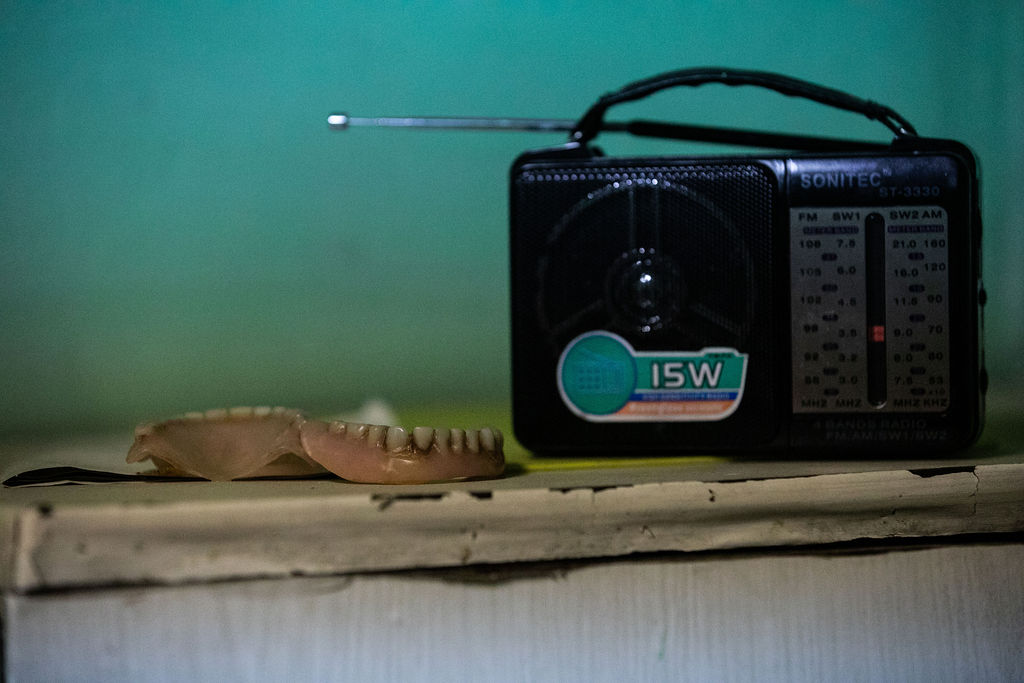
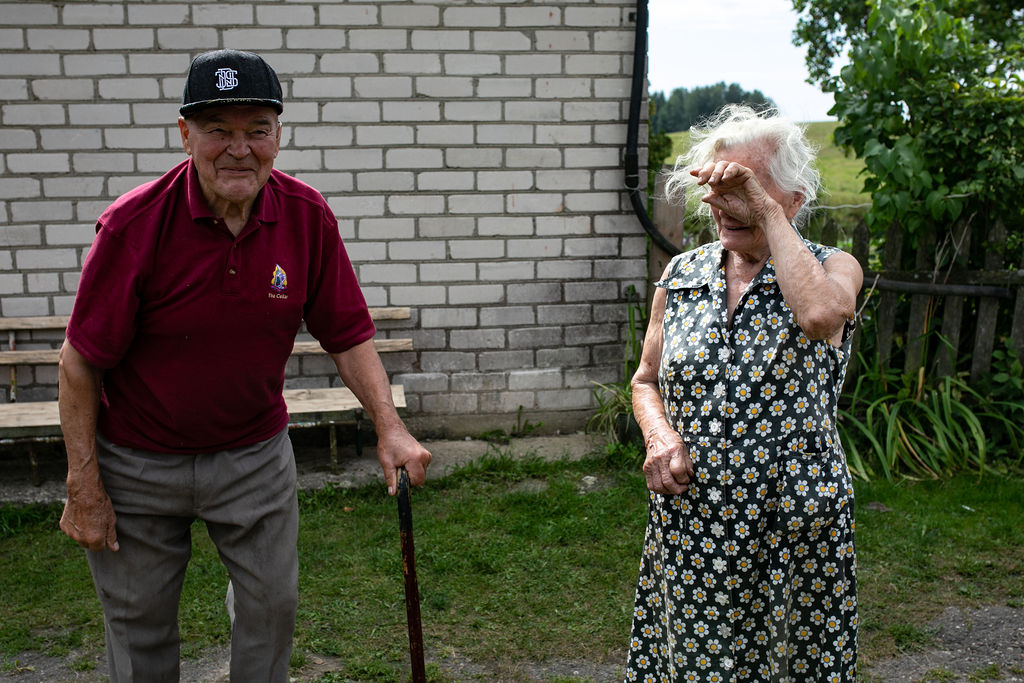
My portraits are not about how the object looks, rather it’s about how I feel he looks. I transfer onto the object my beliefs and vision but not my emotion. In art photography, some photographs are more suggestive and remain in the human memory, while others simply pass away, as in journalistic photography, some photographs simply represent an event and some convey emotion, mood, light. Photography has a dual function: it depicts the human exterior and describes his identity. To photograph my grandparents, I kept the vision for two years and only last summer I went to my country (Lithuania) and was able to do this.
Towards the end of the 20th century, Lithuanian photography experienced very important changes: some of the photography created at that time did not continue with previous Lithuanian photography traditions and generally did not match the usual criteria of photographic artistry. My favourite Lithuanian photographers are Antanas Sutkus and Vitas Luckus. Every time I look at their photography I feel very emotional. I do not only see the photos I feel them. In photos with my grandparents, I was looking for natural emotion and to capture the photos with natural light. I wanted to show their relationship and loyalty, their love and their daily routine. I just had a feeling that I needed to do this for myself. To remember them like this. To remember their eyes, hair, wrinkles, hands, and voices. The photo where they are holding the hands of each other has been selected by Lensculture editors to be featured in the Portrait Awards 2020 Competition Gallery. Some of the photos were featured on Vogue Italia. I kept asking myself why it was so easy and natural to photograph my grandparents and landscape where I lived. And I think I found the answer – it is because of memories! I am connected to this place and these people. Most beautiful memories with grandparents, long conversations before going to sleep. I wanted not only to have digital memories of them I wanted to hear their voices so I recorded my grandmother singing. It is very important to me because we always sang together when I was a child. I still have a feeling that I haven’t finished the project and I plan to go back to Lithuania this year and take more photos. My grandmother will be 88 years old this summer and my grandfather will be 91; it is a solid age for them.
‘’In summary, we can say: The photographic image is a message without a code, it’s continuous. At the same time it is a connotative message, but not at the level of the message itself, but at the level of its production and reception. The photographic image is a sophisticated object selected, structured, built and produced according to professional standards – aesthetic, cultural or ideological.’’(Roland Barthes)


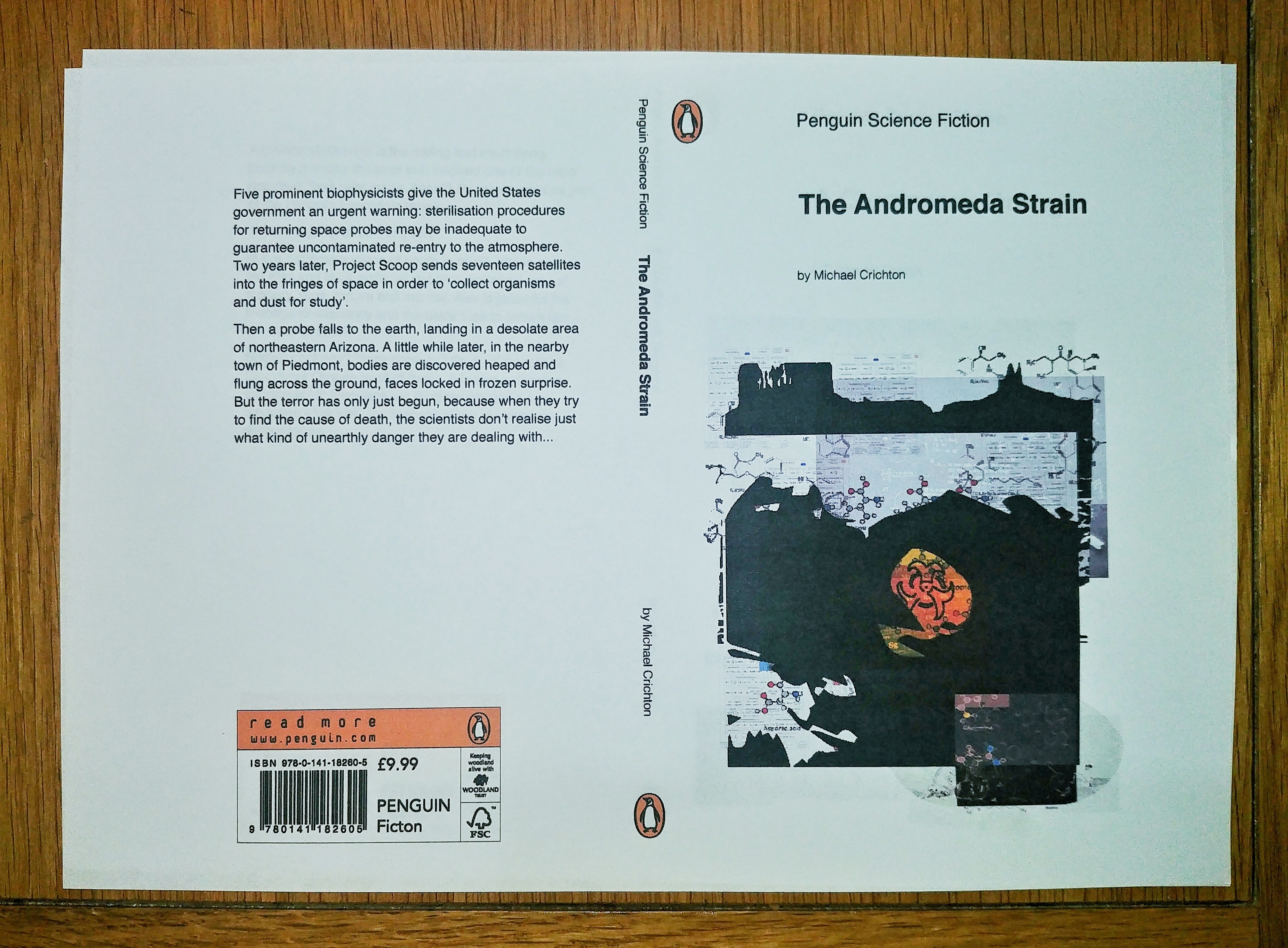
My final 3 book covers in one style. The style and construction I was inspired by is slightly visible here but mostly its a collage of hand drawings. Image traced images and shapes layered together creating my interpretation of a book and what I felt.


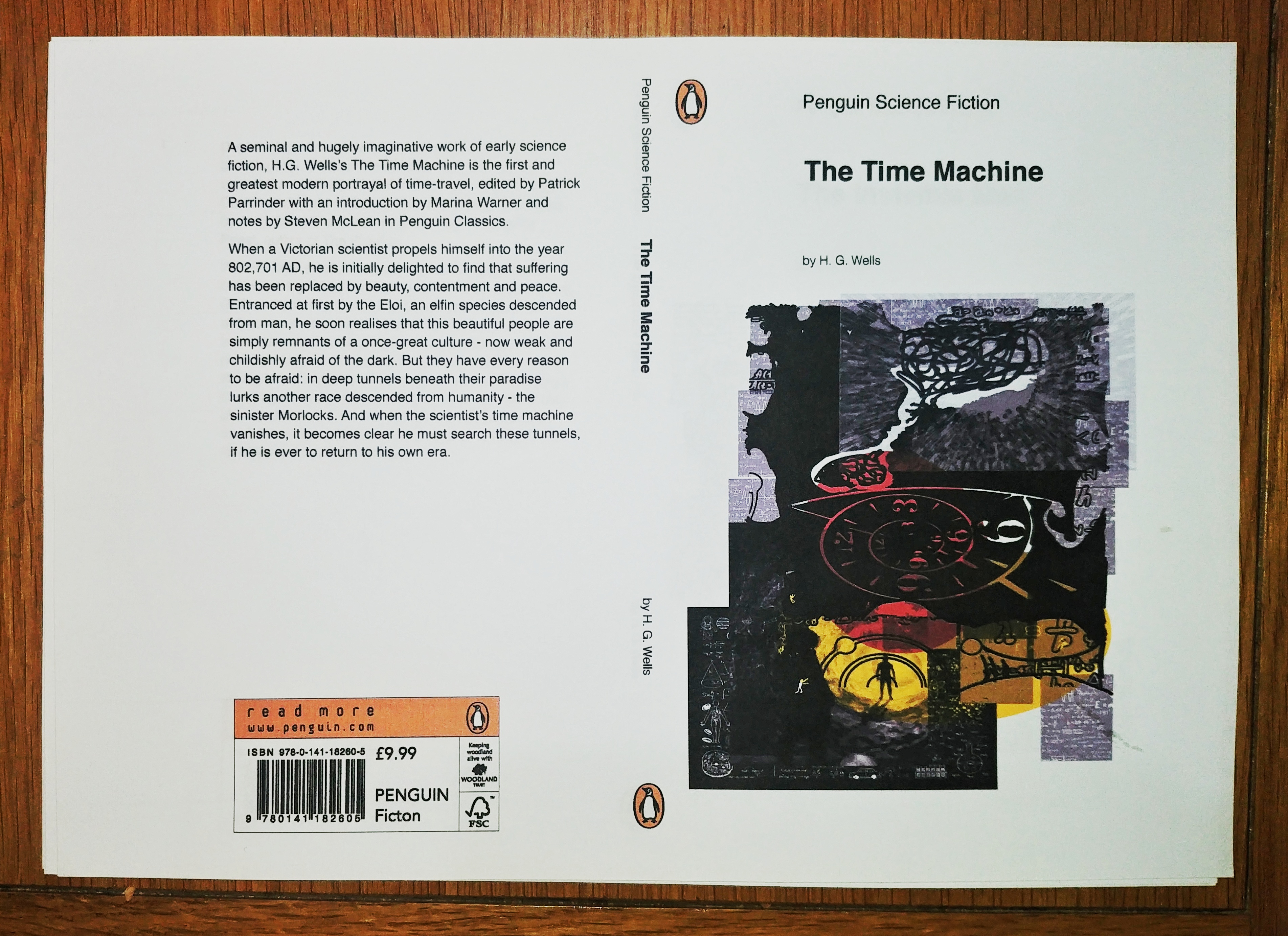
Underground world mixed with love, blood, time, and quantum mechanic calculations.


Cosmic bauhaus




This project is called “Me my self and I”. How do you see yourself? How do others perceive you? We all have our own self-portrait in our mind, but are others in tune with us? It’s important that others get the right message.

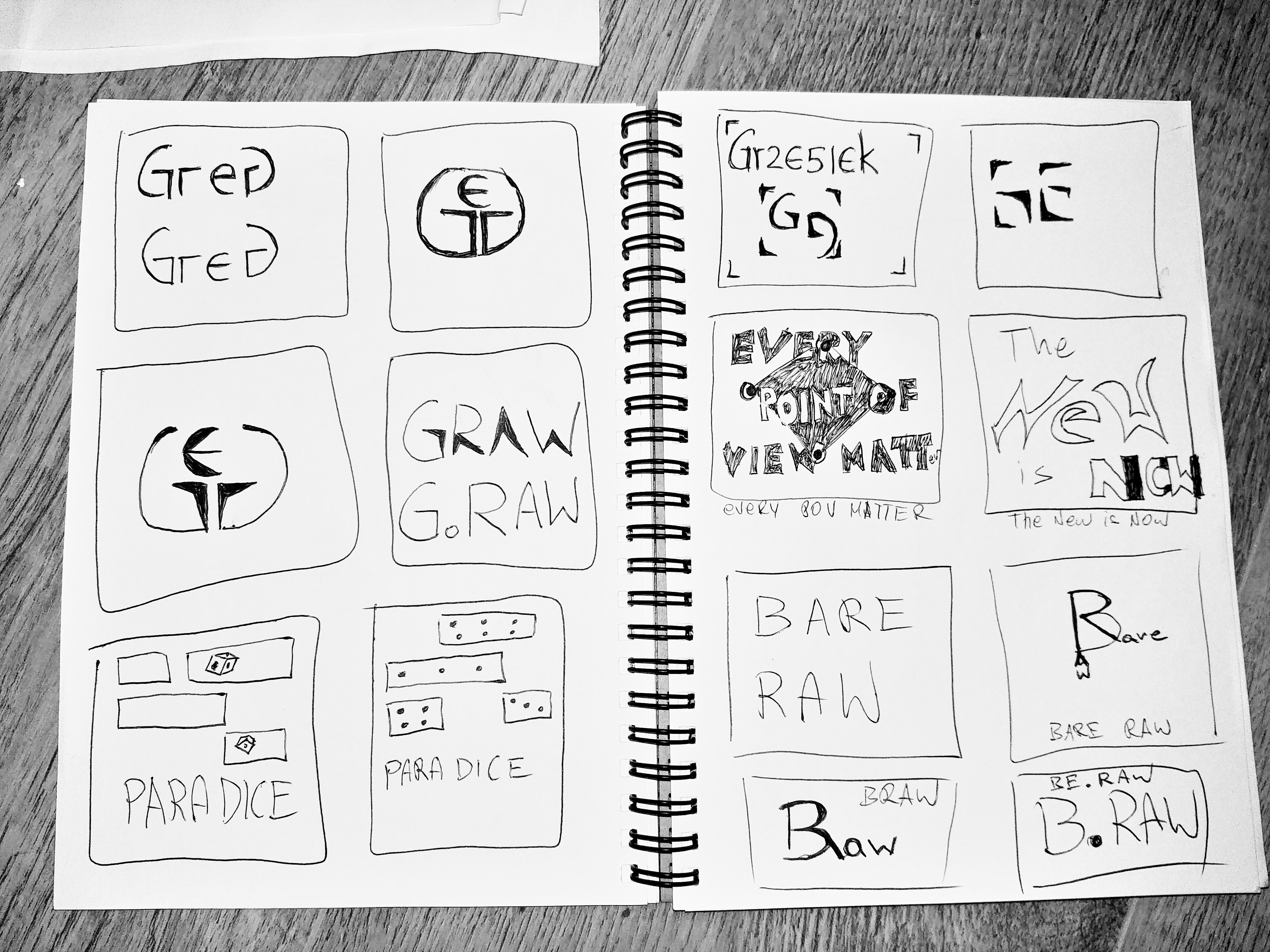
My name is spelt Grzegorz and no one from outside Poland is able to spell it correctly so I have crossed the “Z” here on the name to see how it looks.
Below is my strategy to develop end explore my ideas.



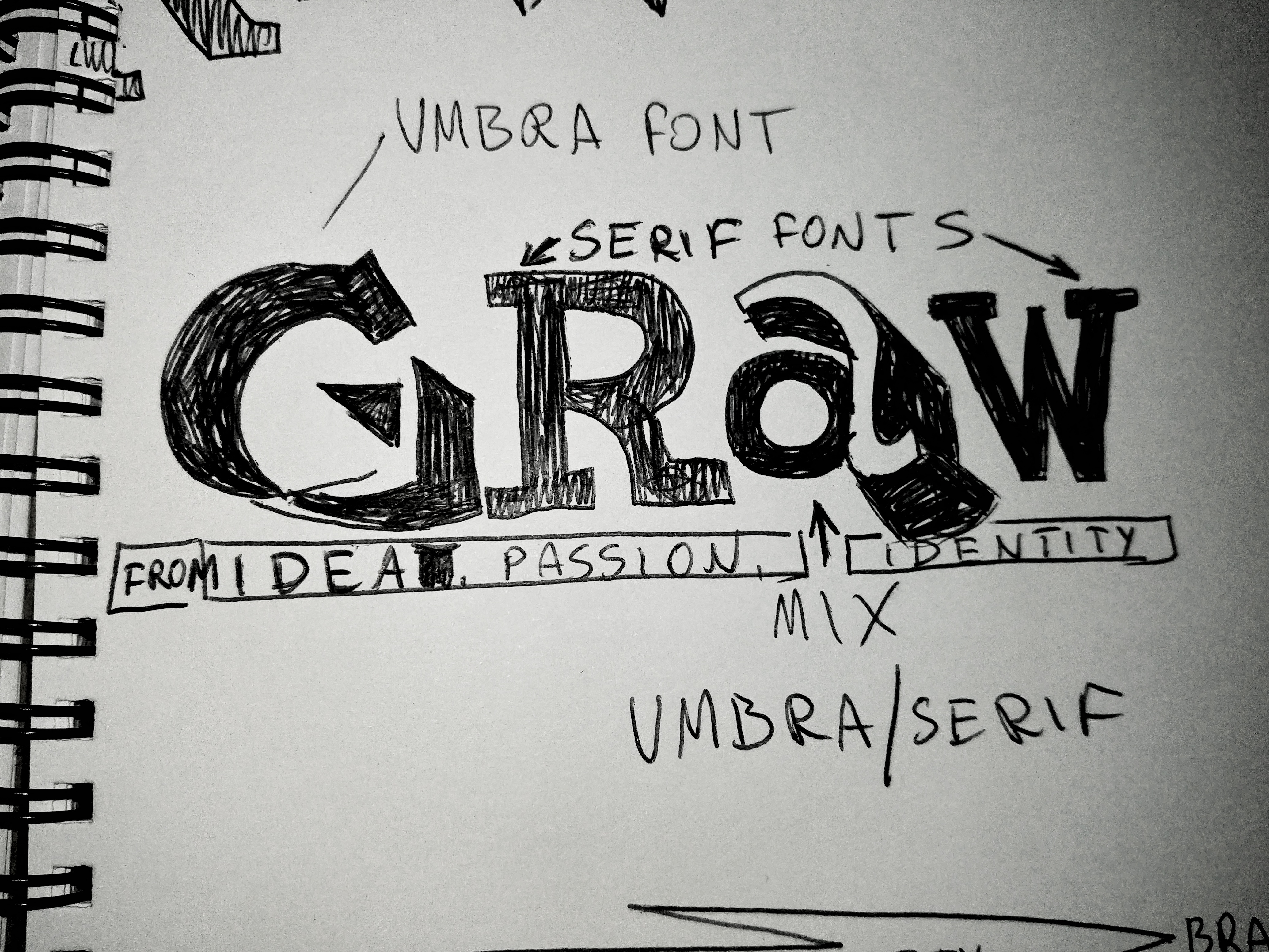







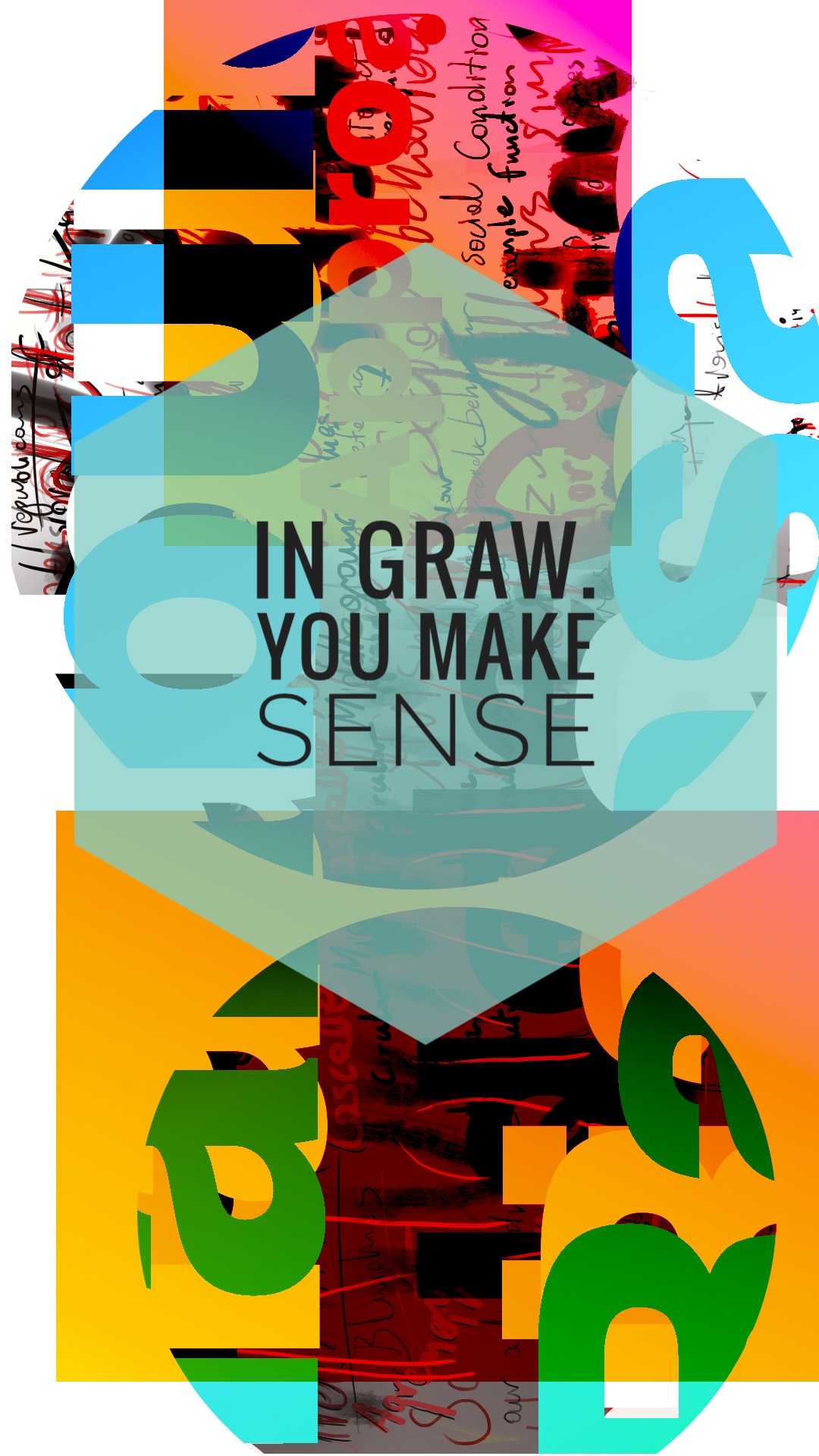





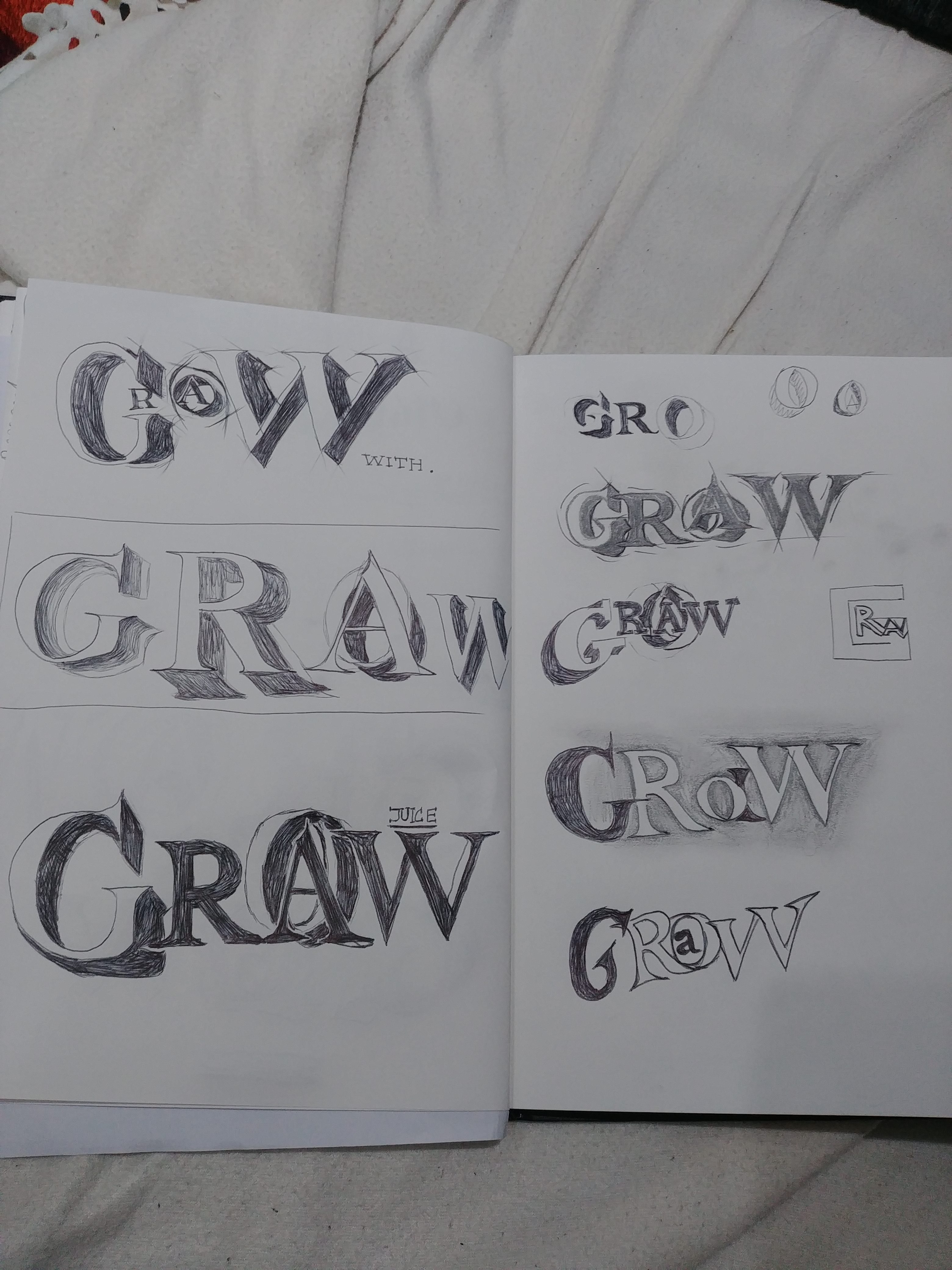


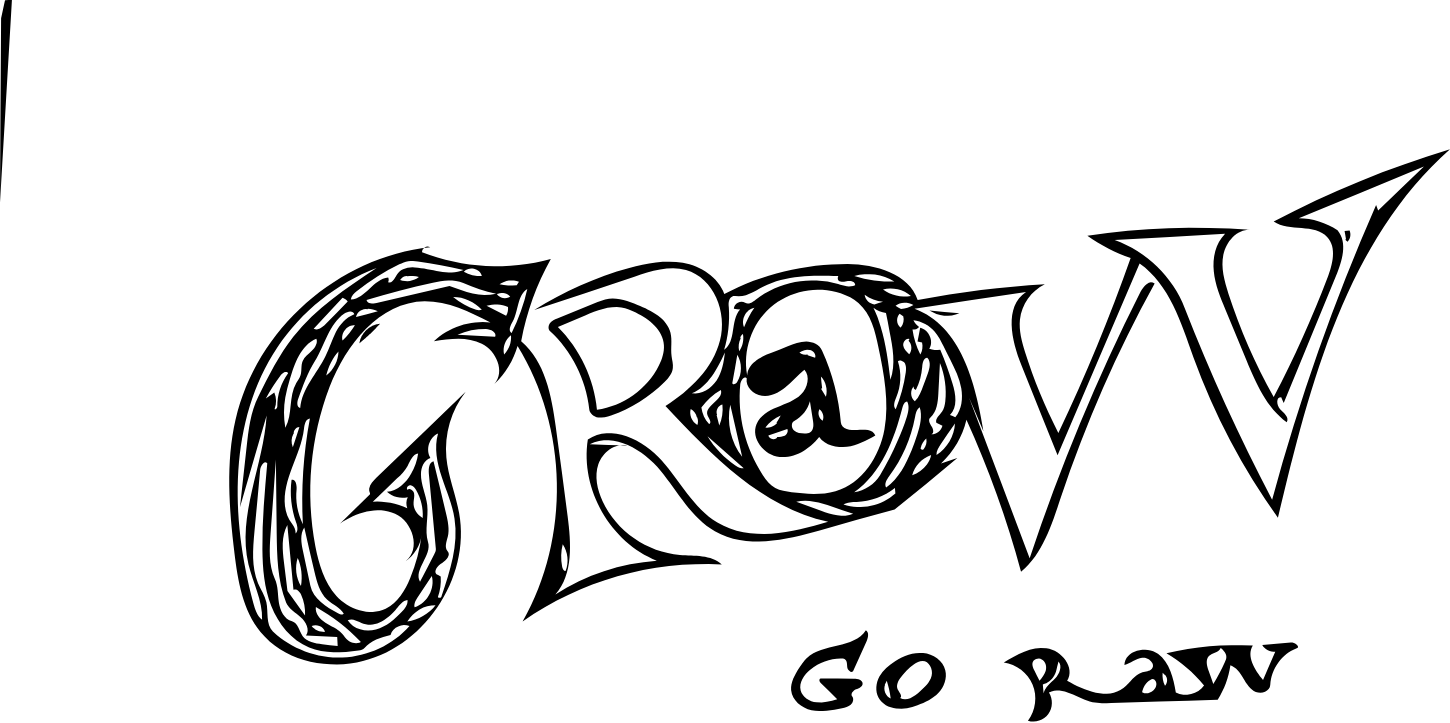

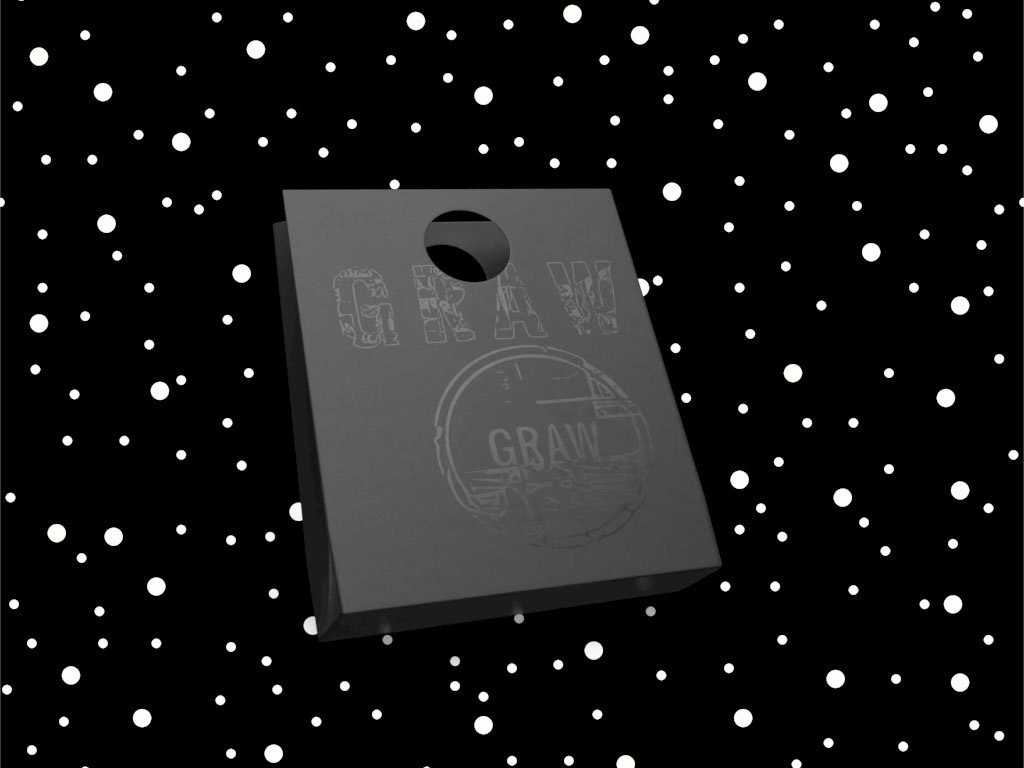
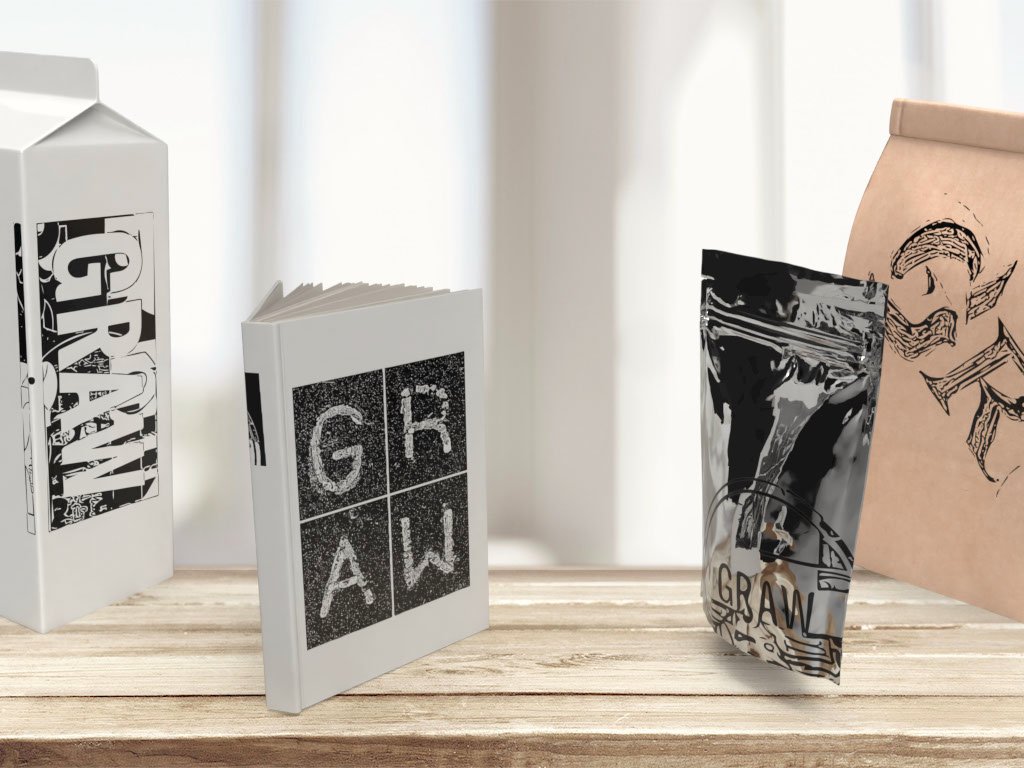

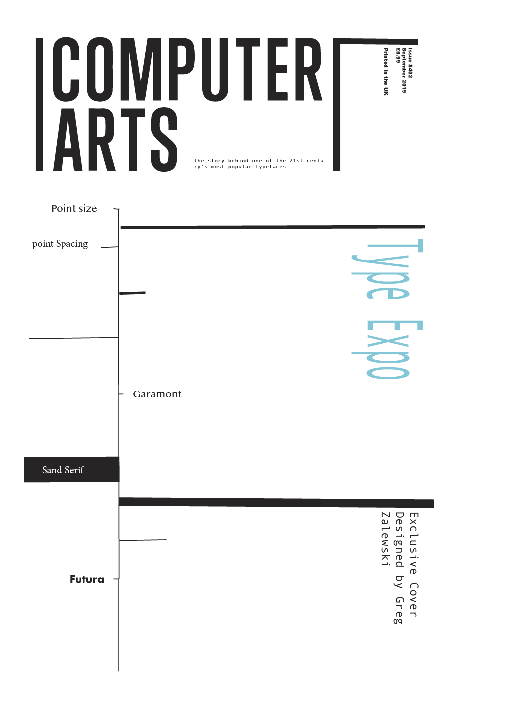
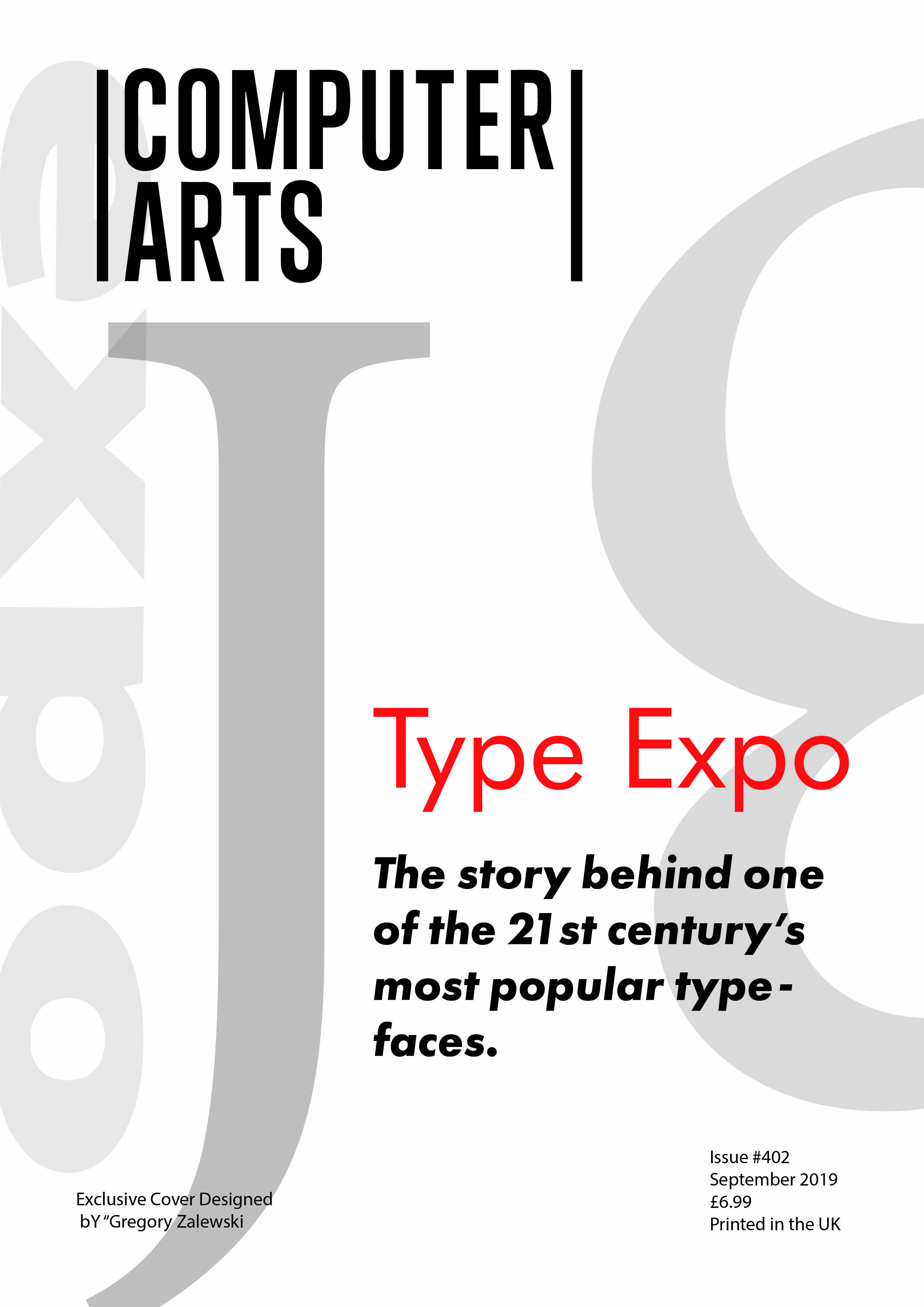
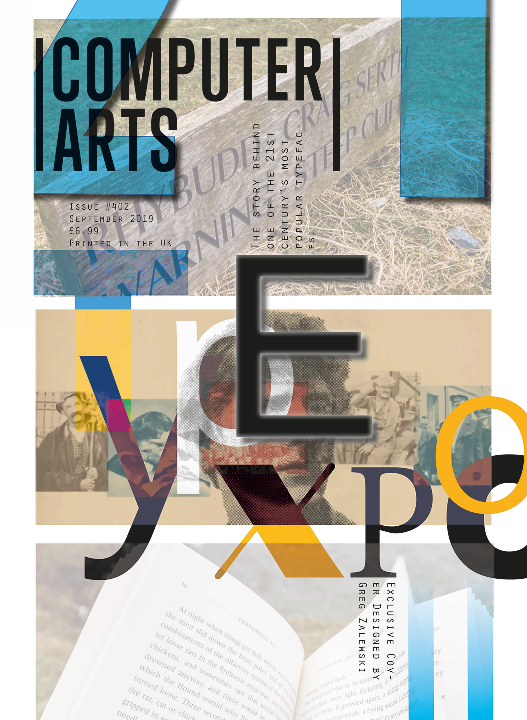
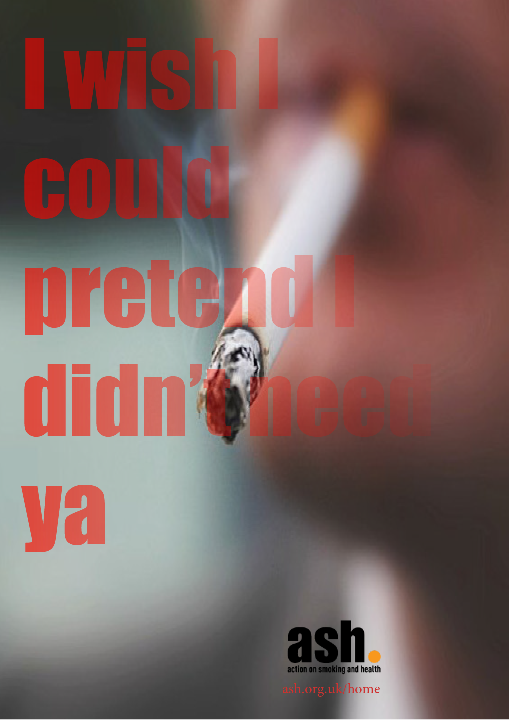
This time I have played with creating posters just for fun, to explore the feeling of a bad or good design. Comment, critique.
Please comment and critique.
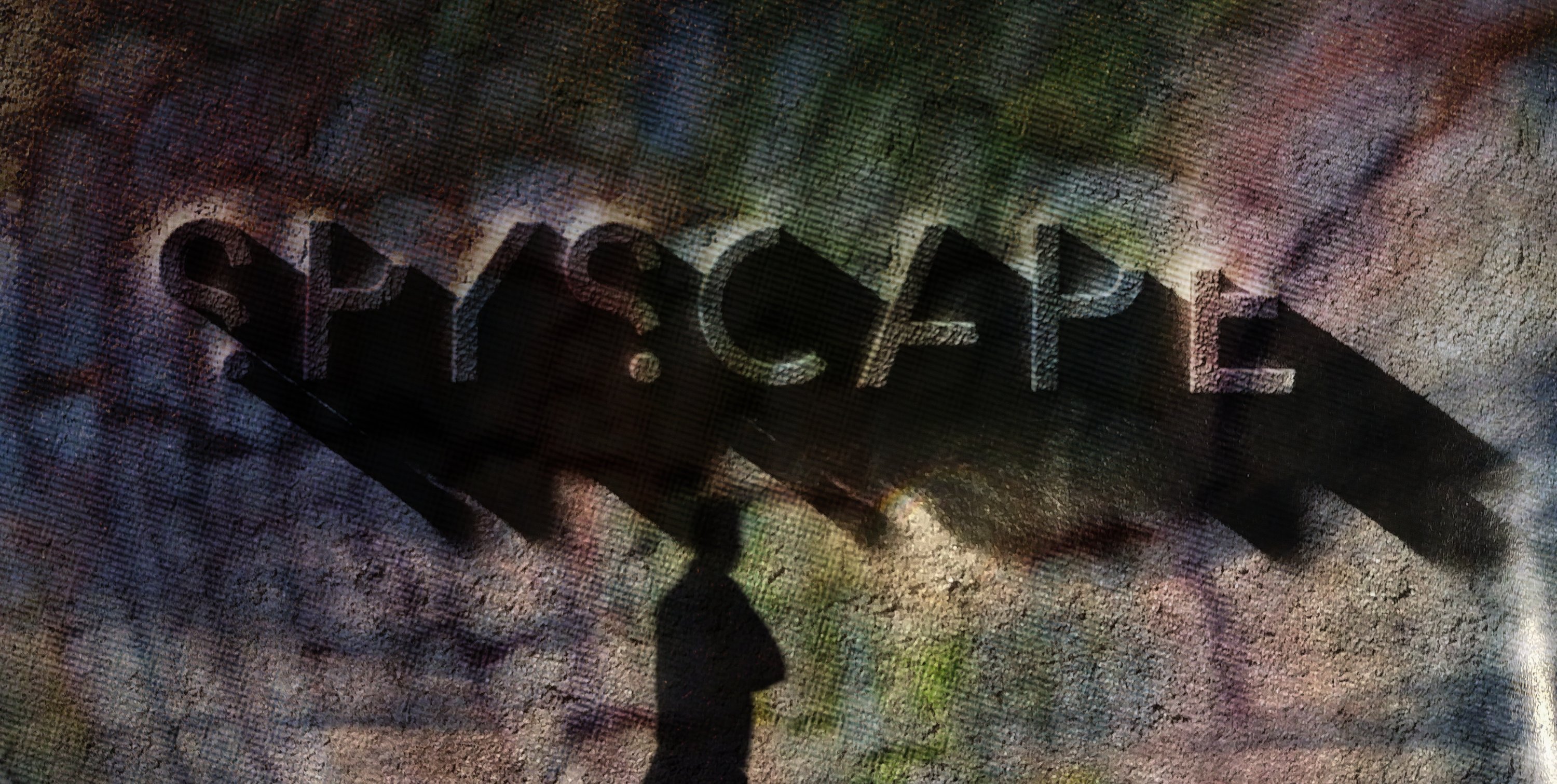


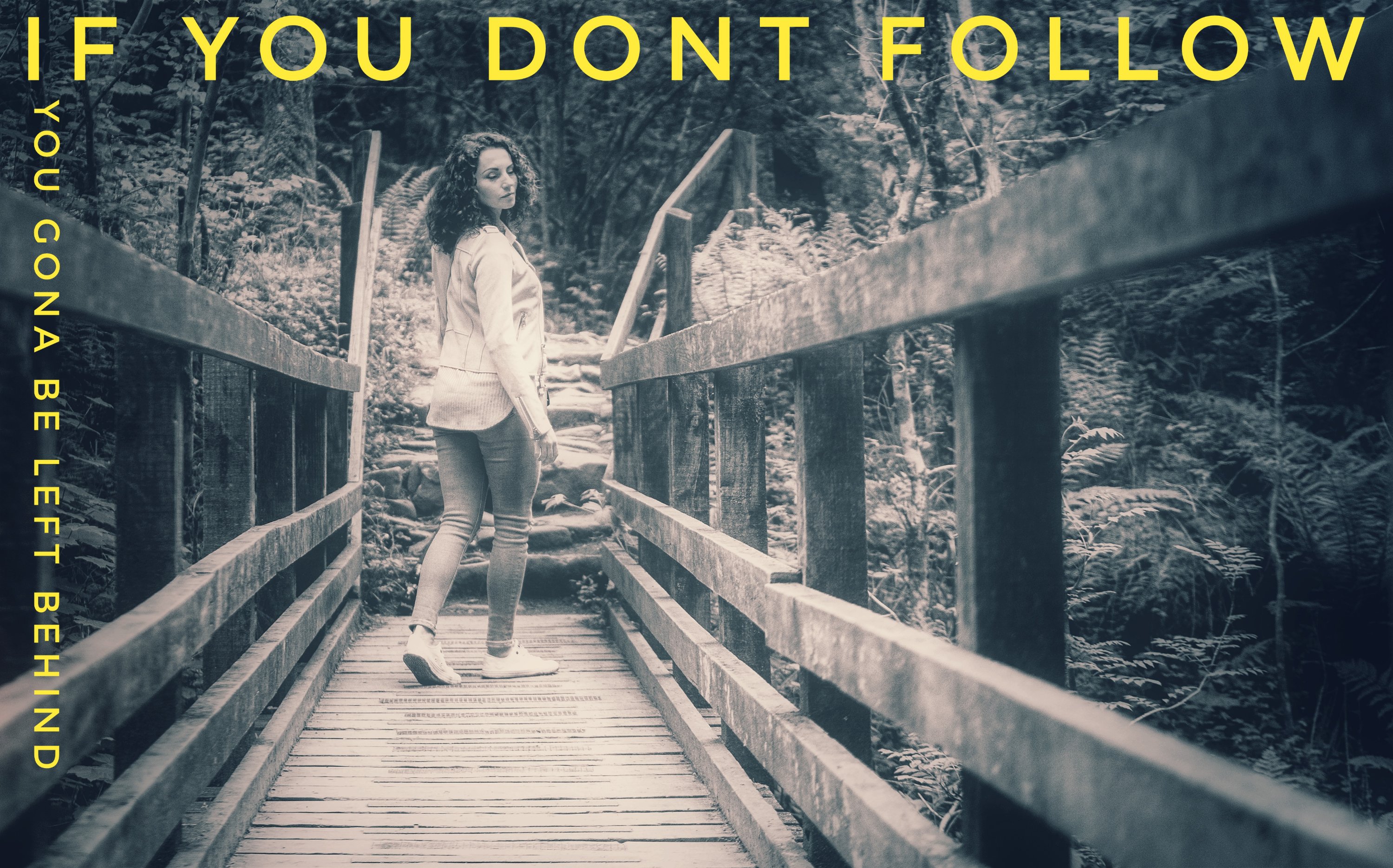







The concept of talent is firmly engraved in our culture, we often see those great people archiving great things and we wish we could do what they do if only we were that talented.
But what if the people we idealise weren’t actually more talented than us. What if we were just as talented as them? I think an interesting person to look at is Henri Cartier-Bresson.


Because he is generally described as the most talented street photographer we have ever had but he famously quoted saying “your first 10.000 photographs are your worst” and that doesn’t seem like the words of someone that was born with a natural talent, but rather someone that dedicates thousands and thousands of hours to master a discipline. In 2007 a study was initiated, which looked at there’s actually no such thing as a natural talent, just hard work and dedication and making sure your effort is focused on the right areas. Basically intelligence and skill are things we aren’t born with but things we develop through practice and this is true across the board.
Apart from a few athletic examples where something like weight might be an advantage.
But it’s not what I’m talking about here so what does this mean? Well, firstly it means that you can achieve the same level of skill as the people you idealise, all those film makers, artists, photographers, you can be as skilled as all those, as good as them. Secondly it means that everything you have already achieved is not by innate talent but through your own hard work and dedication. So well done you, don’t ever give up because you don’t think your talented enough.
We now know it’s not how ability works, embrace mistakes because mistakes are discovering gaps in your knowledge that you need to overcome and you need to find the right resources in order to help you overcome this. Traditionally that would be teachers, lecturers and libraries but today we have the internet, we have the greatest resource that humanity ever had at our fingertips, we have phones in our pockets. So stop worrying about what you can’t do
and just do it .


Beware of feeling comfortable, as soon as you start to feel comfortable, challenge yourself, change something, try something new, learn to let go of old work, we all have our best work that we feel that is our best but try to better them, try to forget about them.

And move forward, if you keep coming to old work it means that you are not progressing.
Try to push yourself, build on what you have already done. Ask yourself questions, ask for feedback and critique on a regular basis, it can be difficult because it’s hard to hear it.

And it’s the critique that’s really gets you but it’s probably the most important because you know they are right,
take the temporary pain for the long term benefit.
You need to know what you’re doing wrong, ignore haters and trolls on line.
Learn to not be precious your work.
Learn to embrace the criticism and move forward.
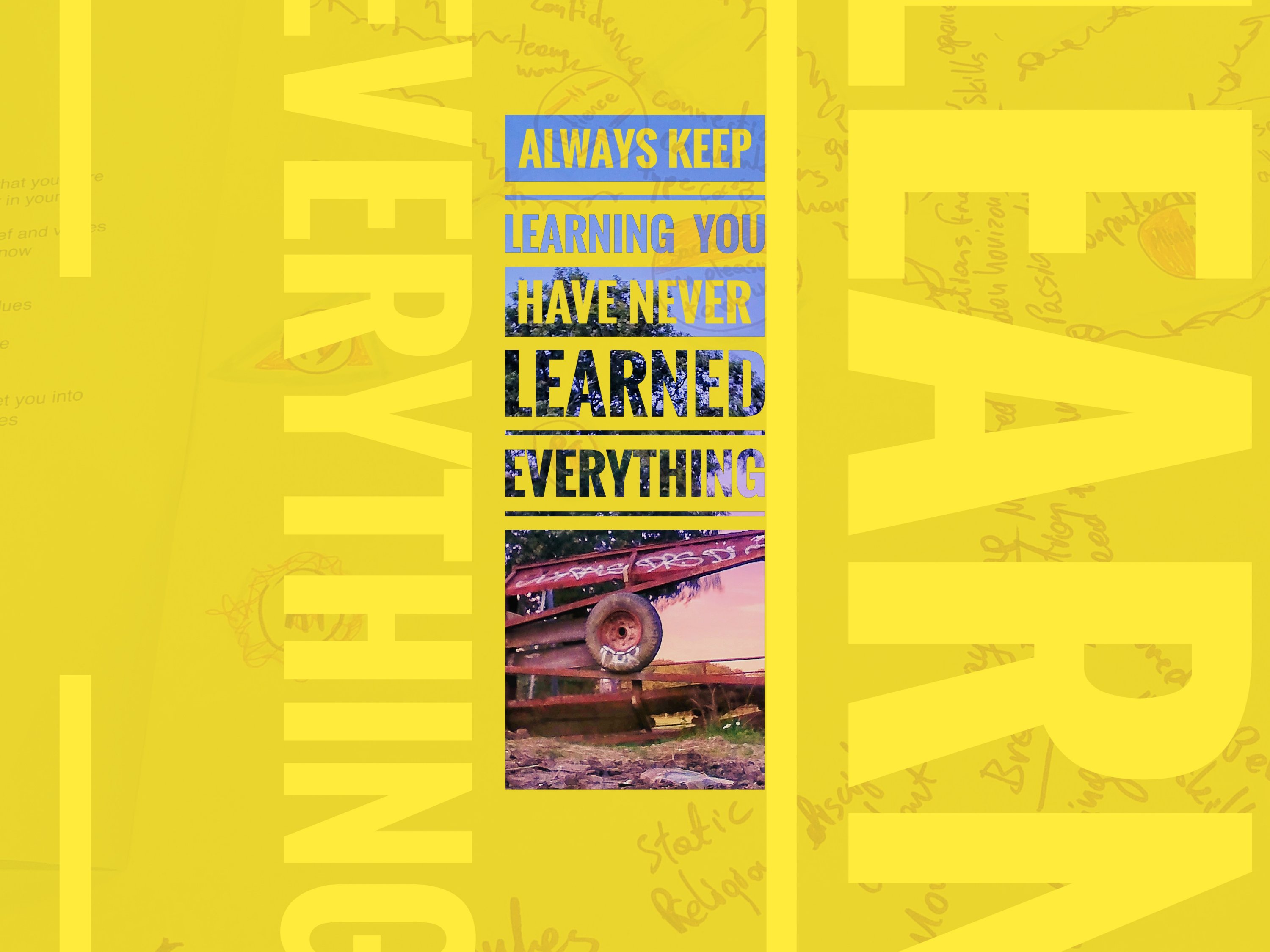
always keep learning, you have never learnt everything
because the world moves forward.

Most of the time, you’re creating parts of a bigger project but not realizing it .
Picking a direction, and adjusting as you go, is the way to progress.
I called this collection
The middle point





 Jane Phillips Award