Mission Gallery is pleased to announce the 2022 Jane Phillips Award Digital Residency for Art & Design Students at Swansea College of Art, UWTSD. We are proud to be working with our partners at Swansea College of Art, UWTSD and keen to shine a light on the high standard of work being produced by students across all disciplines.
This residency will provide an online space within the Jane Phillips Award website to display and develop work, ideas and research, while offering support and promotion through our networks.
Residency recipients will be selected by Rhian Wyn Stone, Exhibitions & Retail Coordinator at Mission Gallery, Swansea and Jane Phillips Award committee member.
Digital Residency Dates: 01 – 30 July 2022
About the Jane Phillips Award
Launched at Mission Gallery in 2011, the Jane Phillips Award is a memorial to Jane Phillips (1957-2011) Mission Gallery’s first director. The award is intended as a legacy to Jane’s passion for mentoring and nurturing talent, working with individuals at every level – offering opportunities to students as well as artists at the beginning of their journey. Opportunities that are further strengthened by working with Mission Gallery’s team, Swansea College of Art UWTSD and elysium gallery.
The award became international under Amanda Roderick, Mission Gallery’s previous director, and with further assistance by following directors Matthew Otten and Ceri Jones, plus an enthusiastic board, the award is constantly developing and changing.
Claire Densham, Jane Phillips Award Committee member and sister to Jane Phillips:
“My late sister Jane Phillips passed away, 10 years ago. Jane was the first director of Mission Gallery, Swansea. To celebrate the Jane Phillips Award’s 10th anniversary the committee are organising an exhibition of previous winners. We want to raise money so the success of the award can continue.
I shall be running in the Swansea Bay 10k on the 19th September, so wish me luck and please donate. Thank you ❤️”
If you would like to donate, please follow the link here
The Jane Phillips Award and Mission Gallery are pleased to announce the final list for the 2020 Graduate Showcase!
These successful graduates have the opportunity to show an example of their work within Mission Gallery’s curated retail space from 30 September – 31 October 2020. Work will also be featured in a showreel at Mission Gallery, a downloadable brochure, online on both the Jane Phillips Award website and Mission Gallery’s website and social media.
Each year, the Jane Phillips Award showcases a curated selection of graduate work from Wales and beyond. It has taken many forms – and this year is no different.
It’s a challenging time for graduates and we take our hats off to you – be proud of what you have achieved and let us celebrate your talent!
We invite applications from 2020 graduates – from jewellery, ceramics, textiles, print, mixed media, glass; any craft related disciplines. Successful applicants will have the opportunity to show an example of their work within Mission Gallery’s curated retail space. Work will also feature in a showreel at Mission Gallery, a downloadable brochure, online on both the Jane Phillips Award website and Mission Gallery’s website and social media.
Application Deadline: 5pm, Friday 14 August 2020
Showcase dates: 30 September – 31 October 2020
Additional Information:
There is no fee to apply and up to 6 graduates will be selected. Each successful applicant will be asked to create a short video piece to introduce themselves, their work and making processes (no more than 5 minutes).
£50 will also be awarded to each successful candidate to help with related costs.
Please send a short statement about you and your work (no more than 250 words), up to 8 high-res jpegs (with an item list including title, description, materials and measurements) and an up-to-date CV to janephillipsaward@missiongallery.co.uk. Please include your contact details, university name and course.
All applicants will be notified whether successful by Friday 28 August 2020.
Successful candidates’ work will need to arrive at Mission Gallery from 15 – 18 September 2020.
To view the previous showcases brochures, please click on the links below:
The day when all days felt like Sundays, we felt emptiness. All the connections with the world we lost in just in one day. At first we enjoyed the ‘’freedom’’… Finally, we had time for our families, we had time for a cup of coffee in the morning, we had time to talk or watch movies together, we had time for kids… 1 2 3 4 5 6 7 8 9 10…. first you’re counting the days after the 20th day, it just doesn’t matter what day it is, what time it is. You don’t need to go sleep early because you don’t need to wake up early, to shower and rush somewhere…
Nature started to heal herself but how about humans. Sometimes I feel I’ve lost myself and I believe we all have a feeling that we have lost something we can not touch but can feel. All the connections with nature with other humans.
Only nature helped man endure the misfortunes of life and became support in daily life. The connection between man and nature can be found in literature, poetry, artworks, and photography. In my work, I sought the connection between man and nature. I was looking for a compromise between man and nature. That compromise is more uncomfortable than perfect. Through nature, we can see not only ourselves but also a reflection of our soul. Without this connection with nature, man mutates not only physically, psychologically, but also spiritually. In my series of photographs, I was looking for a spiritual connection between man and nature. A man comes from the earth and returns to it. The earth is the basic premise of our existence and its end. This vibrant, pulsating matter is open to both birth and death. A place where a clump can turn into life at any time, and life into a clump. Man is only a temporary particle of the earth cycle.
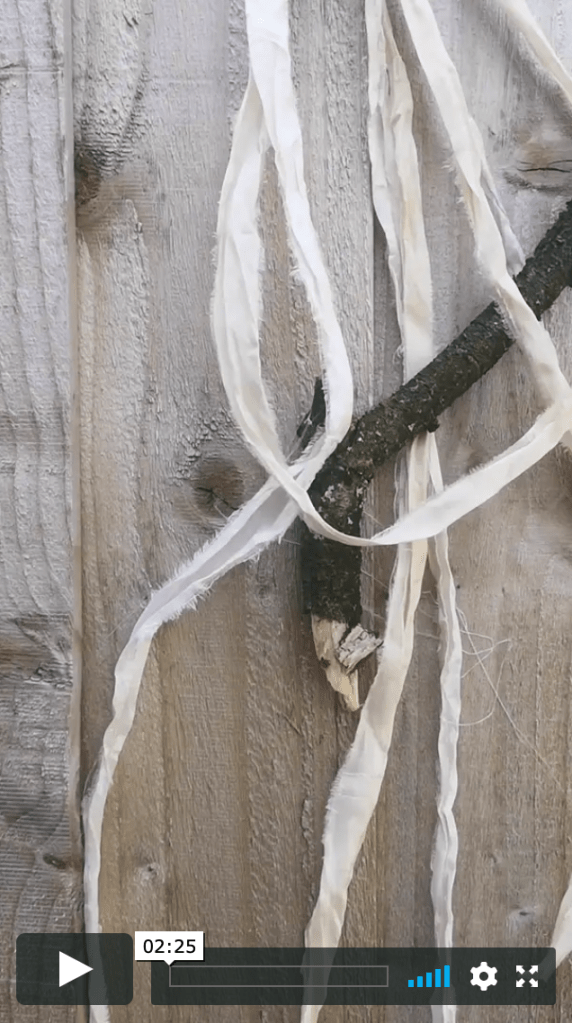
The photographs I printed on silk fabric to make them more flexible and weightless. I wanted to see the movement of fabric and structure of silk threads. The photographs look as though they are merged into the fabric like we are trying to merge into nature. It is like the fugitive testimony about man’s and nature’s compromise.
To view a short film by Laurentina, please click on the image below:
Modern society is surrounded by photographic images. The proliferation and ease of use of photography has made it an integral part of life, as a participant in society. Collection of photographic images in physical albums or on digital media – allowed people to archive their past. It has become a great human proof of past history that he can visually share with people close to him. Photography captures the visual reality and documents it – to capture what is real (visible). But what is that reality? What is her relationship to reality? How much truth lies in the image? The photographer must be responsible for presenting the situation in a fair and honest way, he can’t do manipulation of the technical image, but also can’t manipulate the emotional impact.
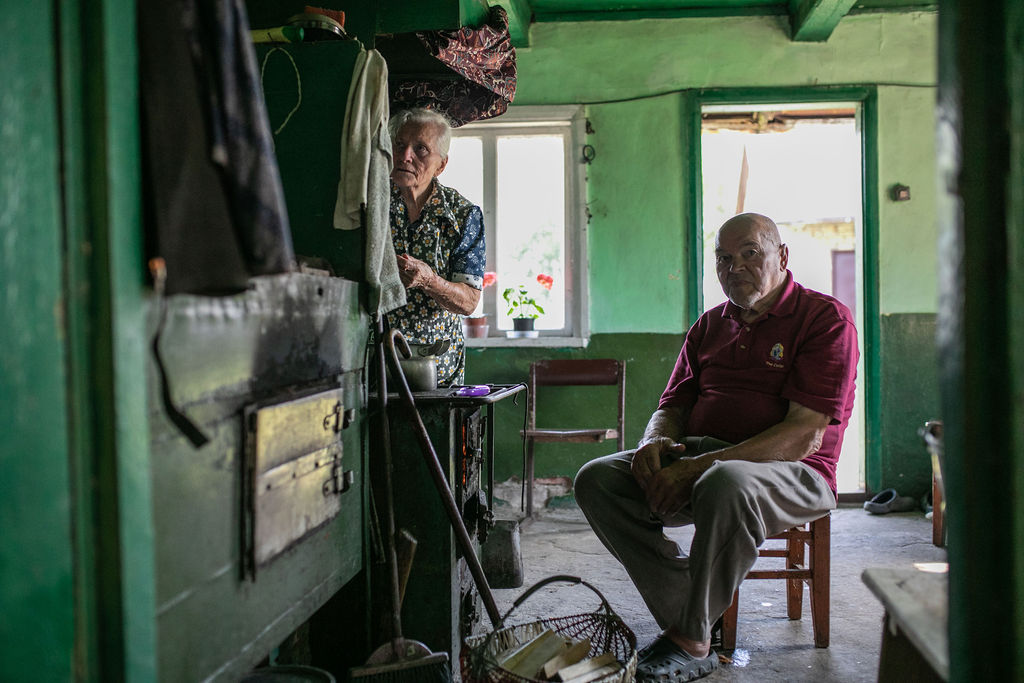
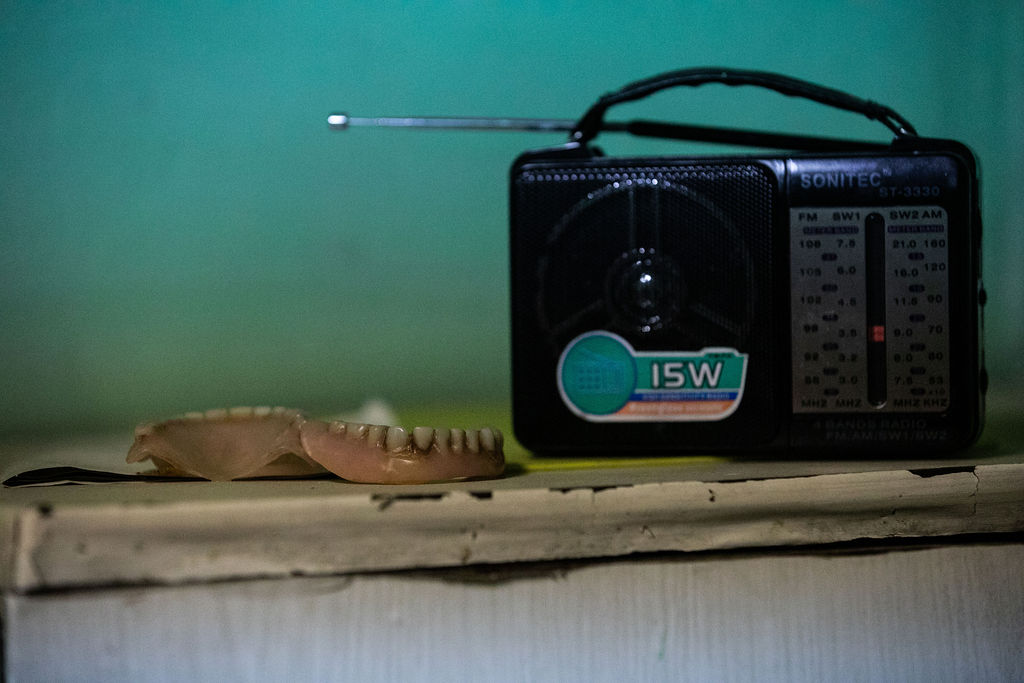
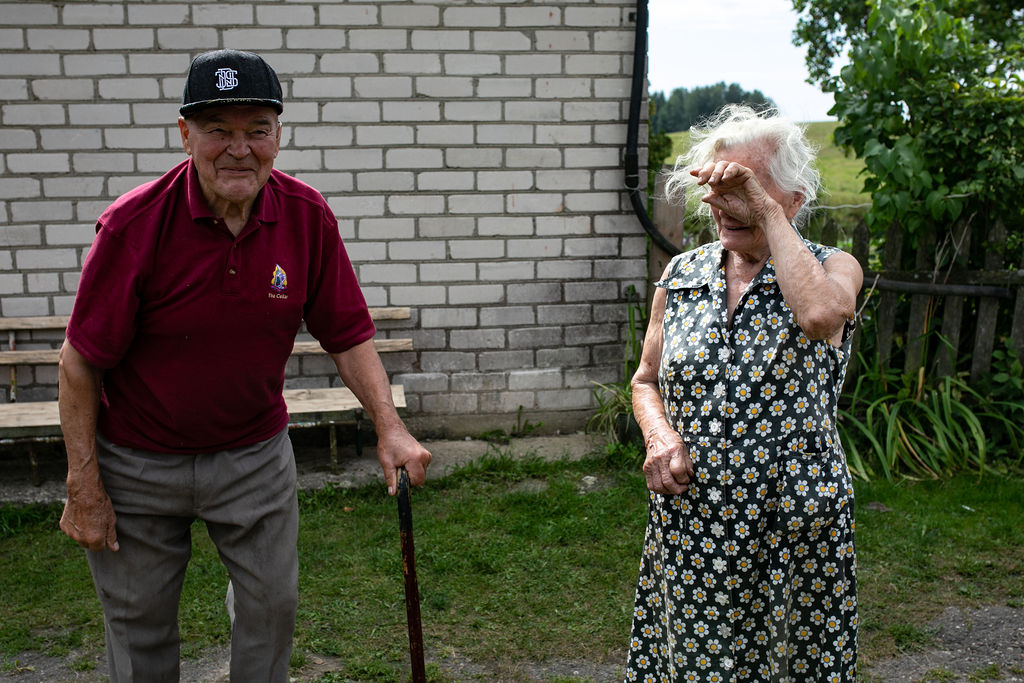
My portraits are not about how the object looks, rather it’s about how I feel he looks. I transfer onto the object my beliefs and vision but not my emotion. In art photography, some photographs are more suggestive and remain in the human memory, while others simply pass away, as in journalistic photography, some photographs simply represent an event and some convey emotion, mood, light. Photography has a dual function: it depicts the human exterior and describes his identity. To photograph my grandparents, I kept the vision for two years and only last summer I went to my country (Lithuania) and was able to do this.
Towards the end of the 20th century, Lithuanian photography experienced very important changes: some of the photography created at that time did not continue with previous Lithuanian photography traditions and generally did not match the usual criteria of photographic artistry. My favourite Lithuanian photographers are Antanas Sutkus and Vitas Luckus. Every time I look at their photography I feel very emotional. I do not only see the photos I feel them. In photos with my grandparents, I was looking for natural emotion and to capture the photos with natural light. I wanted to show their relationship and loyalty, their love and their daily routine. I just had a feeling that I needed to do this for myself. To remember them like this. To remember their eyes, hair, wrinkles, hands, and voices. The photo where they are holding the hands of each other has been selected by Lensculture editors to be featured in the Portrait Awards 2020 Competition Gallery. Some of the photos were featured on Vogue Italia. I kept asking myself why it was so easy and natural to photograph my grandparents and landscape where I lived. And I think I found the answer – it is because of memories! I am connected to this place and these people. Most beautiful memories with grandparents, long conversations before going to sleep. I wanted not only to have digital memories of them I wanted to hear their voices so I recorded my grandmother singing. It is very important to me because we always sang together when I was a child. I still have a feeling that I haven’t finished the project and I plan to go back to Lithuania this year and take more photos. My grandmother will be 88 years old this summer and my grandfather will be 91; it is a solid age for them.
‘’In summary, we can say: The photographic image is a message without a code, it’s continuous. At the same time it is a connotative message, but not at the level of the message itself, but at the level of its production and reception. The photographic image is a sophisticated object selected, structured, built and produced according to professional standards – aesthetic, cultural or ideological.’’(Roland Barthes)
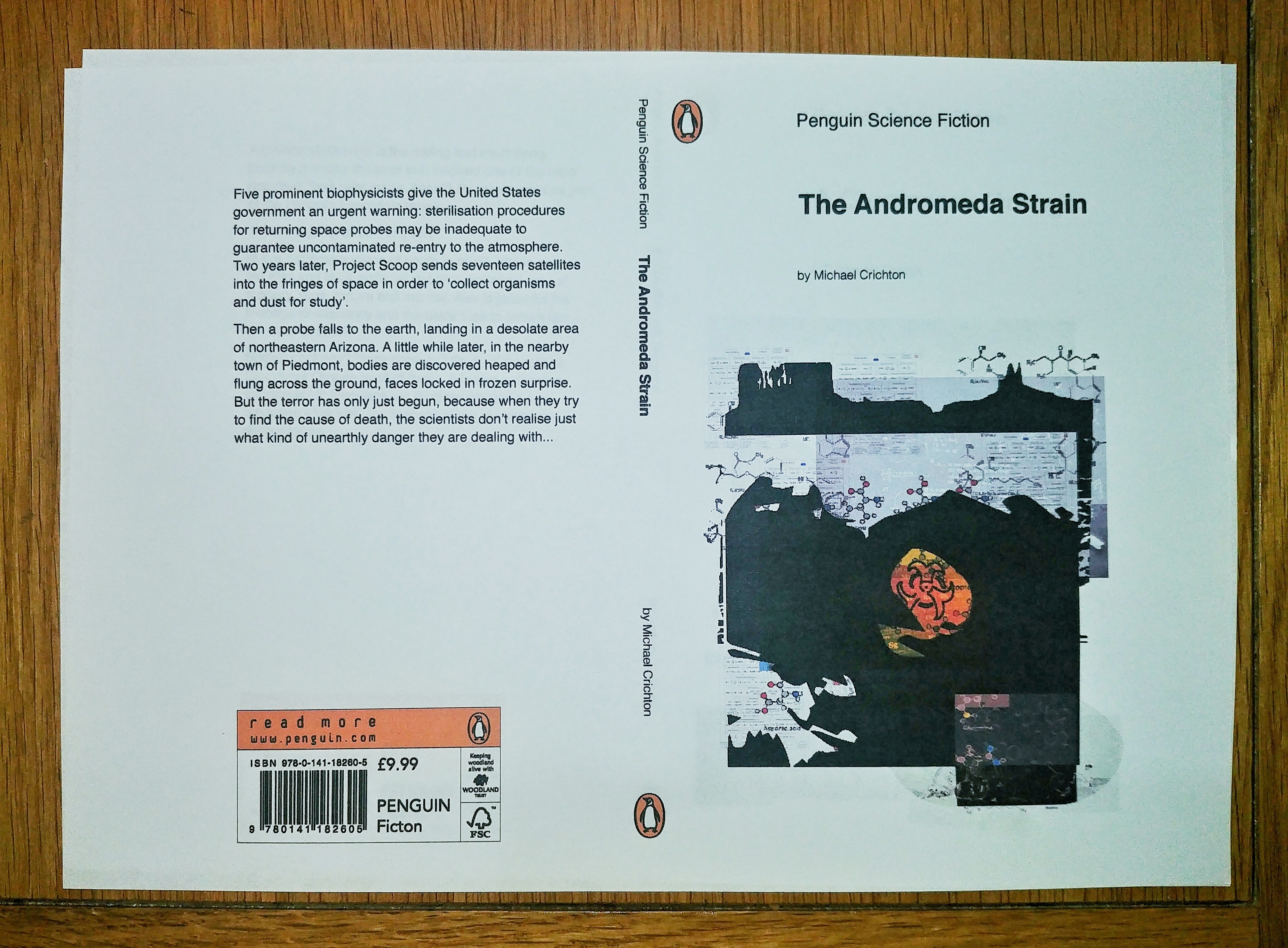
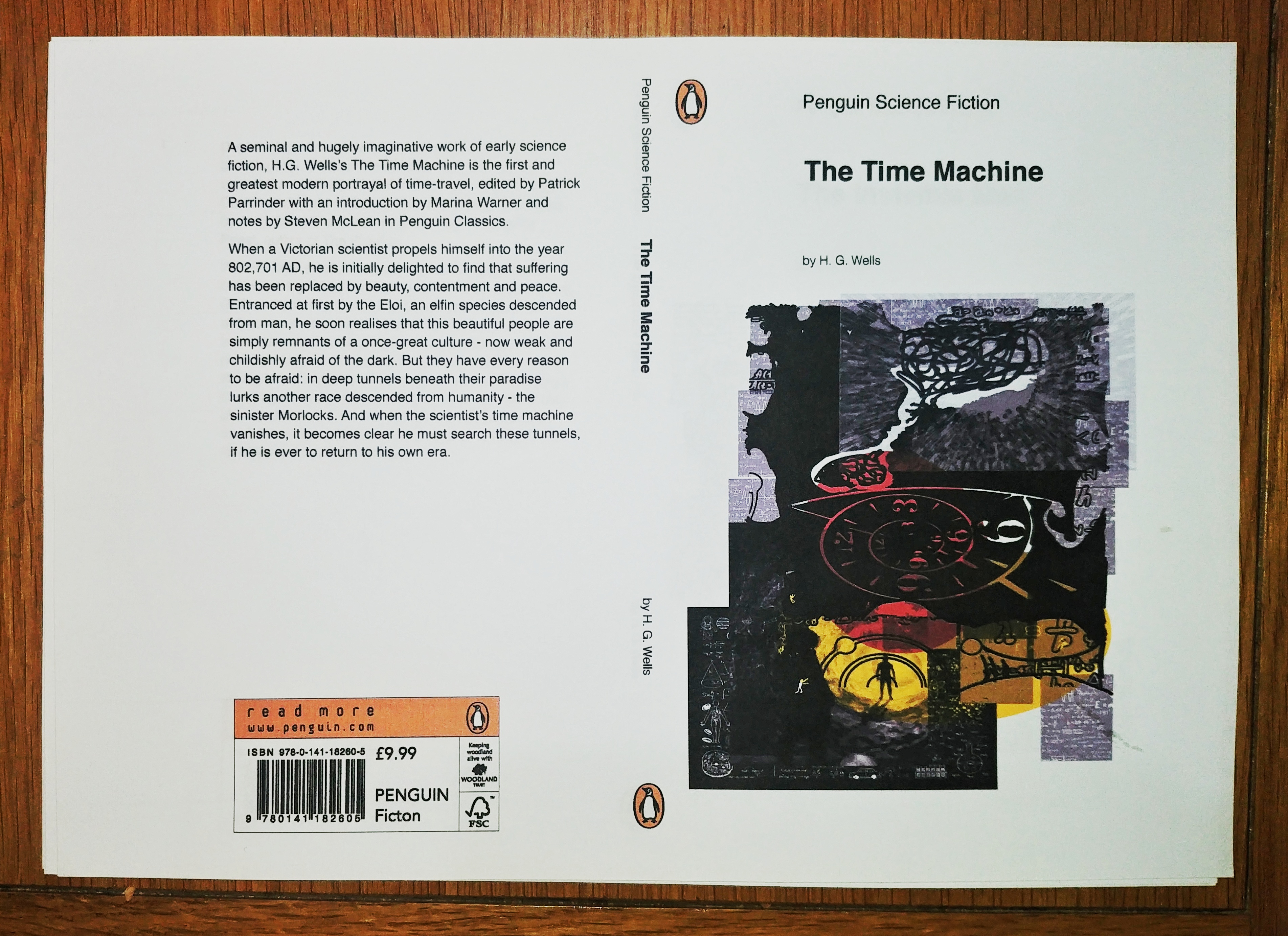
My final 3 book covers in one style. The style and construction I was inspired by is slightly visible here but mostly its a collage of hand drawings. Image traced images and shapes layered together creating my interpretation of a book and what I felt.
Visible only defined by calculation and layers of scientific experiments .Mix of biological, chemical, alien on the deserts of ArizonaThat was my favorite one – not sure about this one now, did I take it to far from the original? The 4 square black pages represent the black characters of 4 friends. And one the weight of justice.
Underground world mixed with love, blood, time, and quantum mechanic calculations.











 Jane Phillips Award