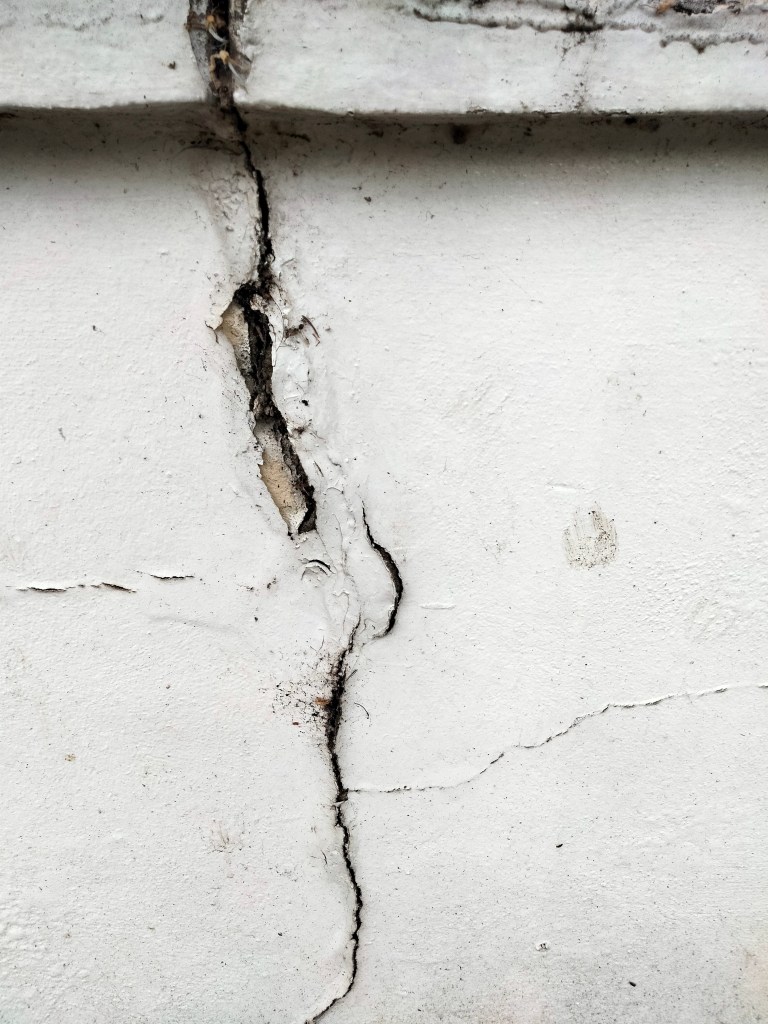
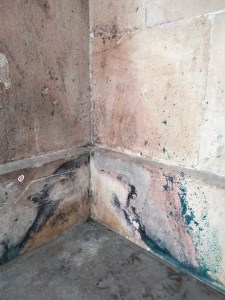
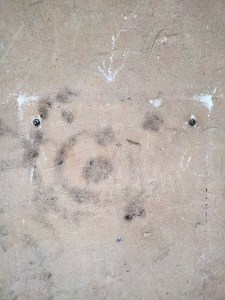
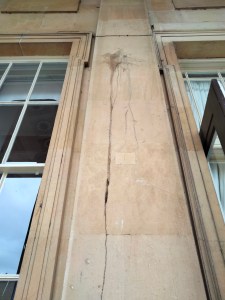
… imperfections and things that used to be somewhere.
I am in Cheltenham this week. When I am in a new place I like to go out on foot and go exploring. I take my camera, a sketchbook and use the stimulus of my new surroundings to get inspired. Unfortunately this week my back and hips are extremely sore so I can’t manage the 2 or 3 hour walk I would usually undertake. However I have managed a very short walk to the Pitville Pump Room and a small part of the Pitville Park.
My obsession with cracks began in January 2021 when I spent time documenting a local carpark. Since doing that project I love (and seek out) all different kinds of imperfections and the ‘overlooked’.
Here are some compositions I photographed on my walk today.
Corner Composition with stickerCaught Confetti Fallen BarrierRust RemainsRemoved SignUnwashed WallThe Only Remains Of The Jubilee Directions
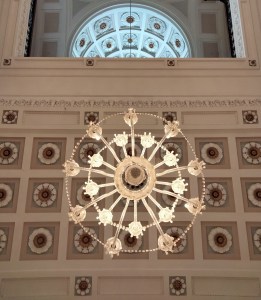
I was also able to go inside the Pump Room. It was really quite beautiful inside, particularly the lighting. It was a calming and serene space.
I wish that I had been fit and able enough to take a full wander around the large expanse of Pitville Park. I did sit for a while and do a pencil drawing of some beautiful tree bark. For those that are interested I used a Blackwing Palomino pencil.
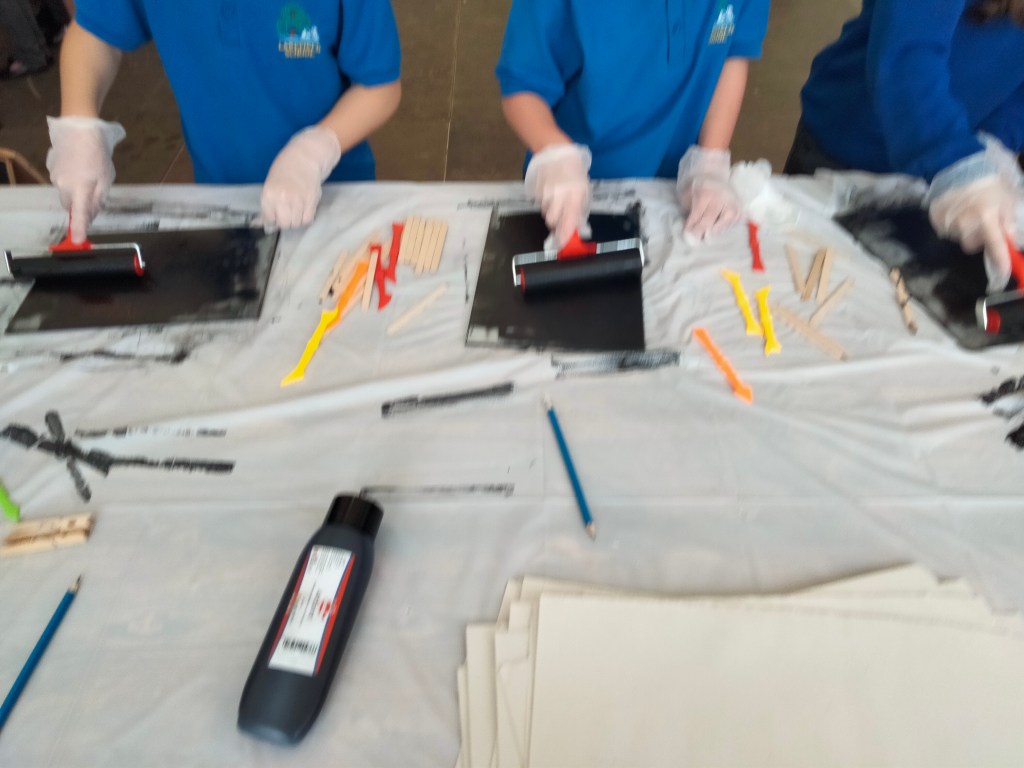
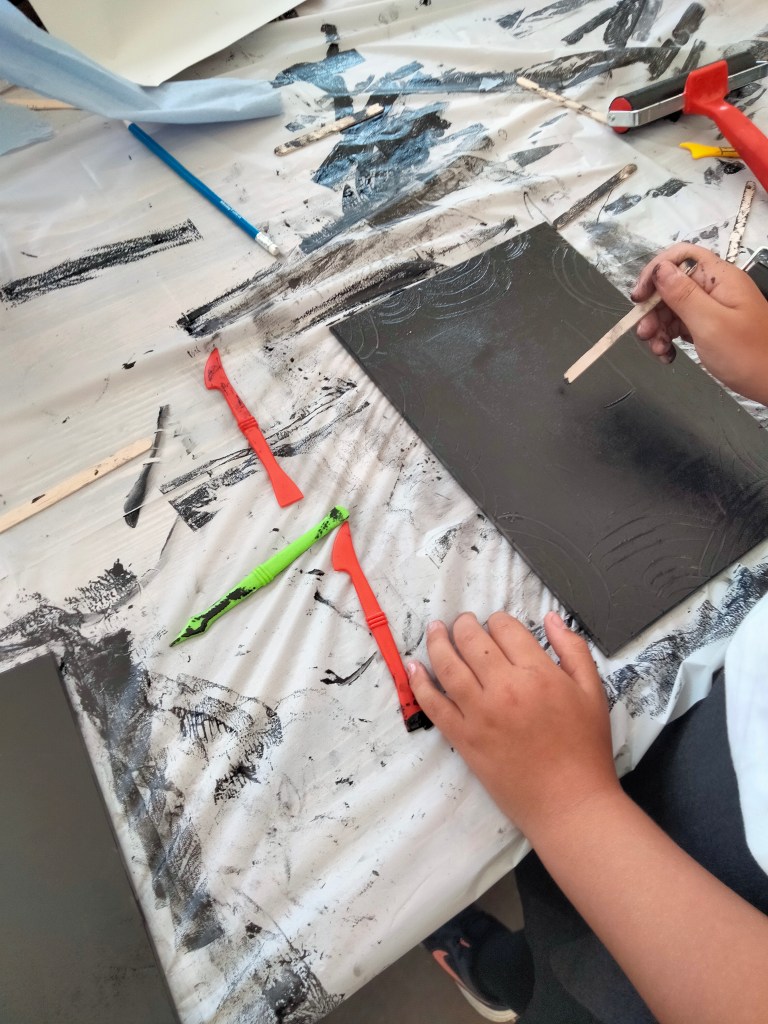
I am a big fan of monoprinting because each print is unique and you can get unexpected results. I love that it is a highly experimental process during which happy accidents can occur and you can end up with a print you didn’t initially expect. It is also very simple and a lovely hands-on technique. During the day we have had lots of visiting schools coming to the Makershack and they seem to be absolutely loving getting stuck in and creating!
I am teaching a simple hand pressed technique that could easily be continued at home with materials which are easy to get hold of.
At my station in the Makershack we are using glass plates, ink rollers, water based block ink, newsprint paper and lolly sticks. This is our method if you would like to try it at home:
Inking up a plate with a thin layer of evenly distributed ink. Draw an image into the ink using a lolly stick.
The next step is to carefully lay paper over the plate and then hand press the paper onto the plate (circular motions with the palm of your hand tends to work best). Then carefully take two corners along the shot edge of the paper and peel off the paper to reveal your print.
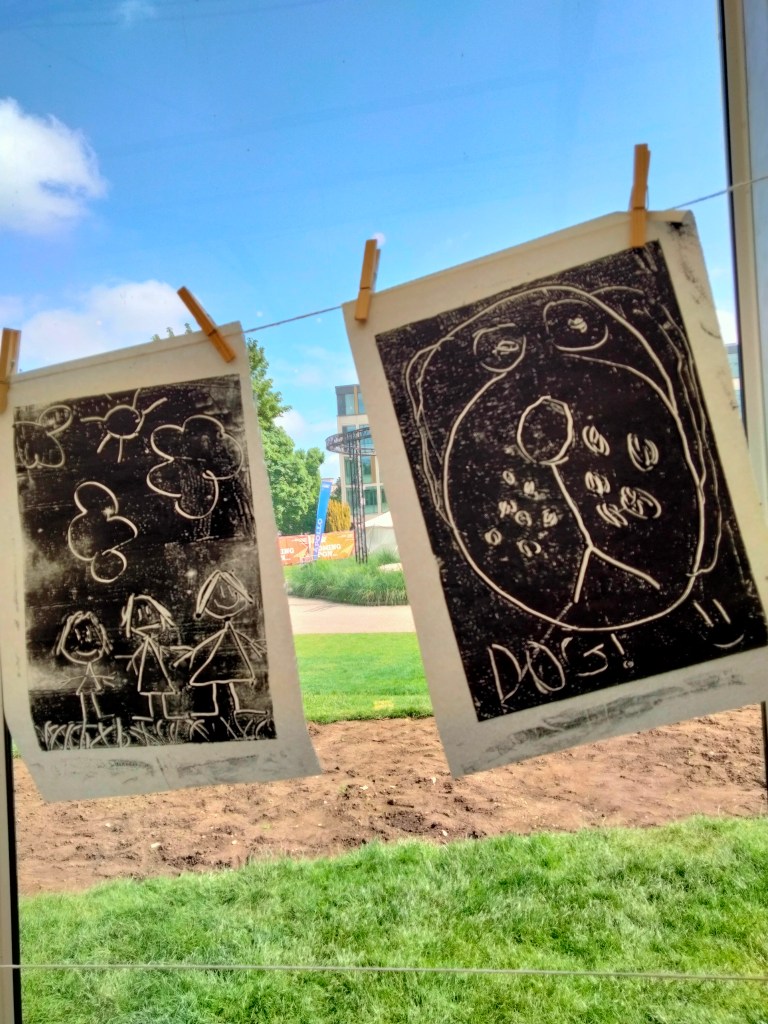
With this method you will create a background the colour of your ink and the image you have drawn (the scraped away ink) will be the colour of your paper. If desired, after creating your first print, you can take a second print, called a ‘ghost print’, which will also be a unique print.
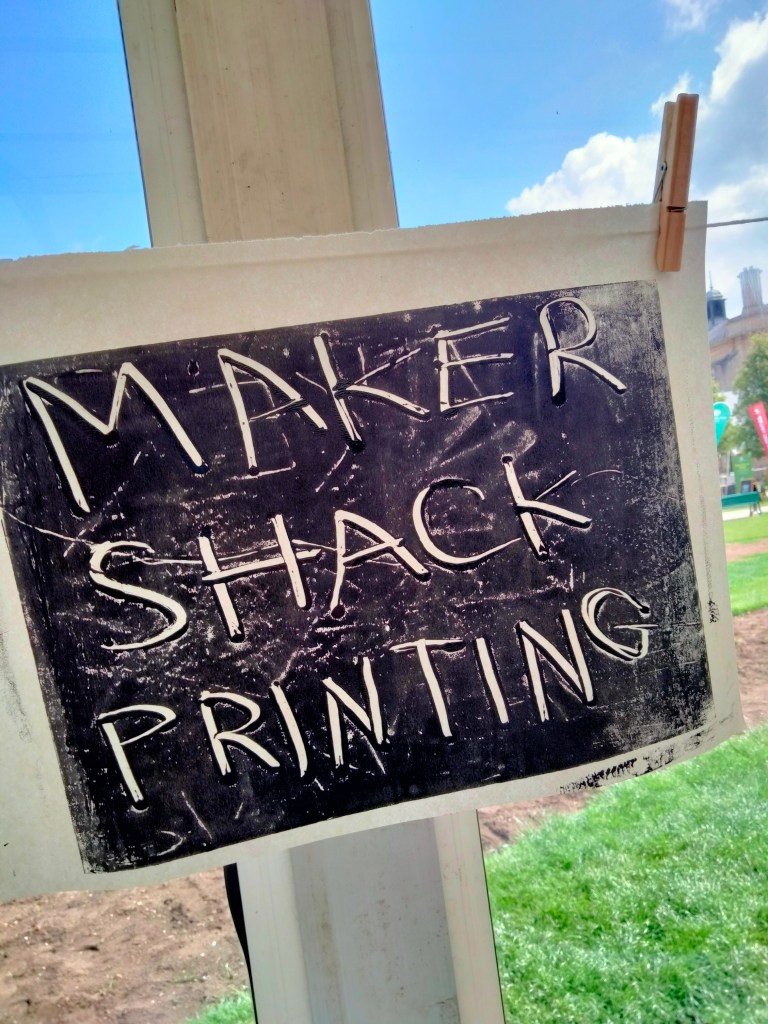
I have started to fill the windows of the Makershack with prints while they are drying, with anyone welcome to return to collect their prints during the week. It is a constantly changing art installation. If, at the end of the week, there are any uncollected prints I am going to bind them to create a book.
I am having a great time here at the Cheltenham Science Festival bringing the joy of printing to young and old and everyone else in-between!
My stall was featured in two of the festival highlight videos on YouTube Here are the links: https://youtu.be/GLGDG6tbUR4
Firstly I would like to say thank you to Mission Gallery and the Jane Phillips Award for giving me the opportunity for this digital residency. I am an emerging artist and I am honoured to be here to share my work.
At this point in time I am just coming to the end of one body of work and I’m about to start focusing on something new, so this residency couldn’t come at a better time! I am going to be trying out lots of different techniques and ideas over the next few weeks and posting them here.
My most recent work has been to answer the question ‘What is Super Ordinary?’ Using this quote as a starting point- “How should we take account of, question and describe what happens everyday and recurs everyday; the banal, the quotidian, the obvious, the common, the ordinary, the infra-ordinary, the background noise, the habitual?” Georges Perec, 1973
I came to a natural stopping point in my project when I exhibited some of my work in the Graduate Expressions Exhibition at the Oriel Henry Thomas Gallery at Carmarthen School of Art.
But when does an artist truly finish a project? The answer is never! Each time I come to the end of a project it becomes part of me, and it’s always ticking away in the background, influencing my new work in some way or another. For me there is always more ideas floating around on the periphery, something to add, something else I want to say or simply something that I just never got around to doing.
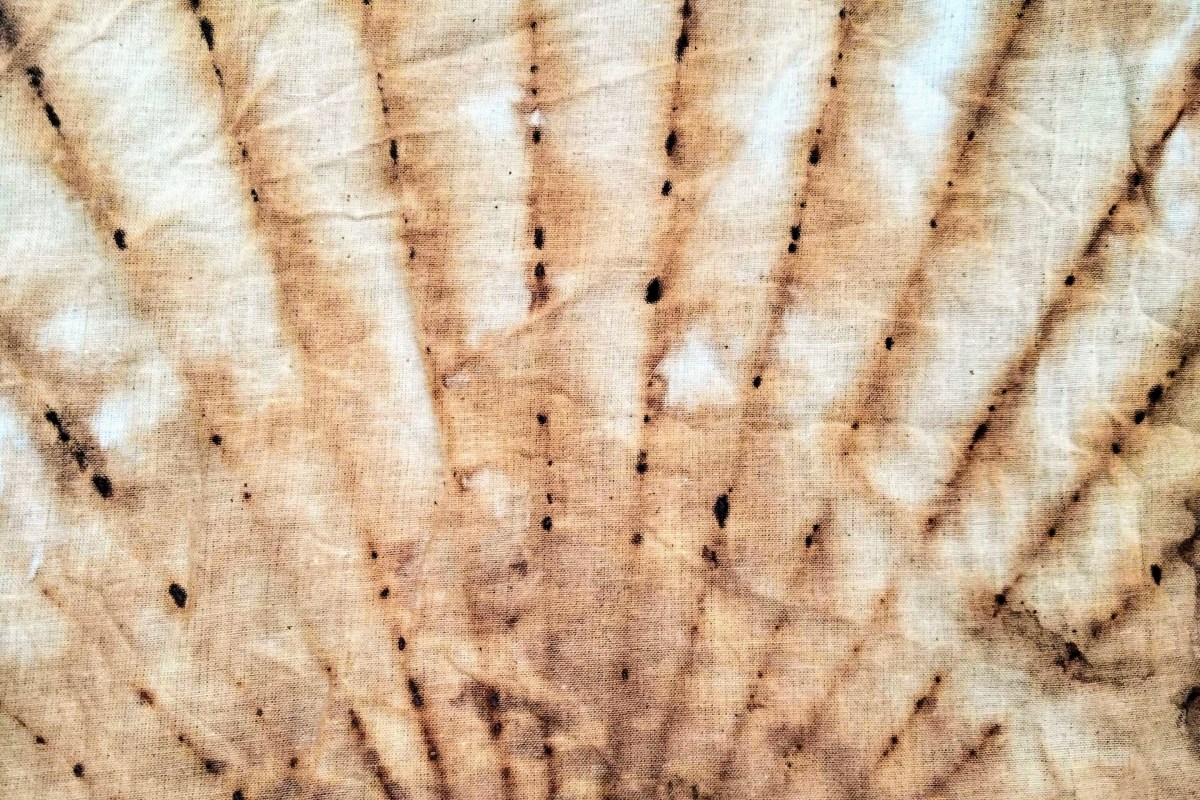
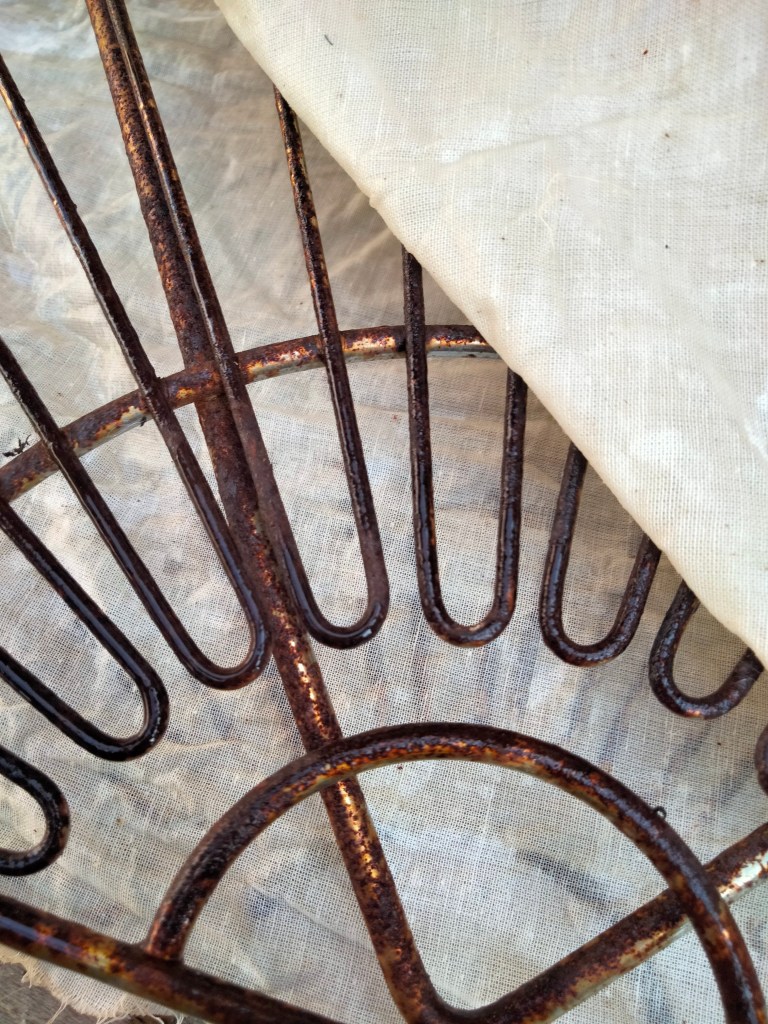
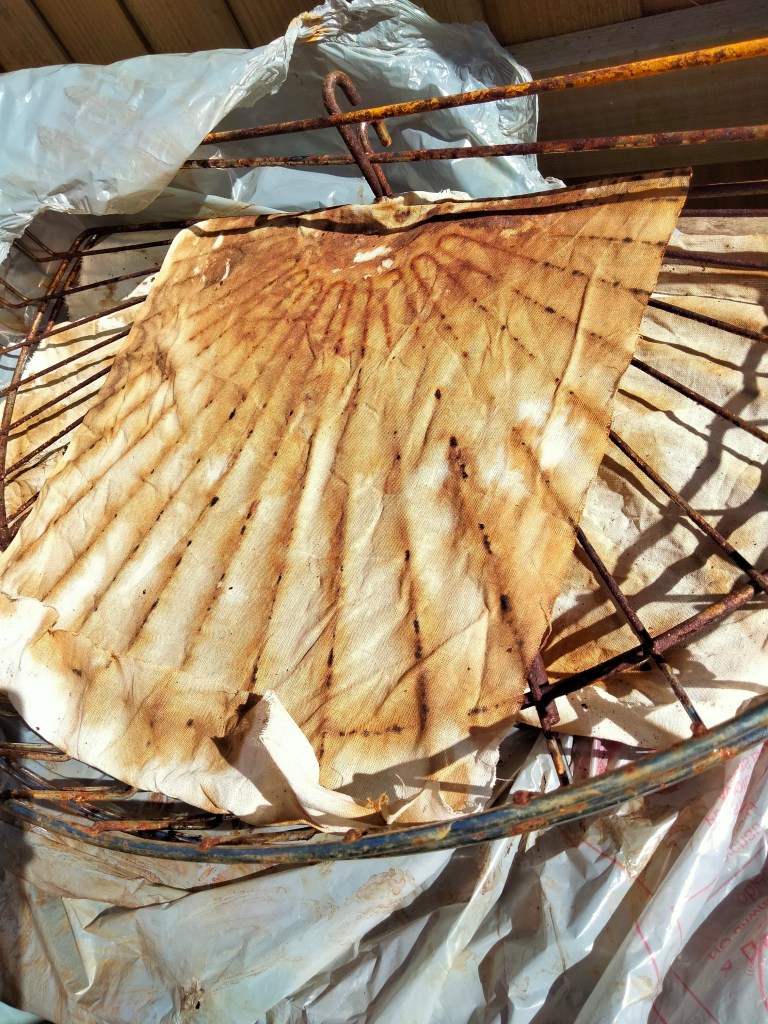
So with that in mind this is one of those things… early on in the project I had saved some metal kitchen shelving but hadn’t actually used them for anything. Last week when I was sorting out my garden I found them rusting away in the corner. So I thought I would try out a rust transfer technique I had seen on LuAnn Kessi’s blog. It is a process I have been meaning to do for a long time. You can find the post by LuAnn here: luannkessi.blogspot.com
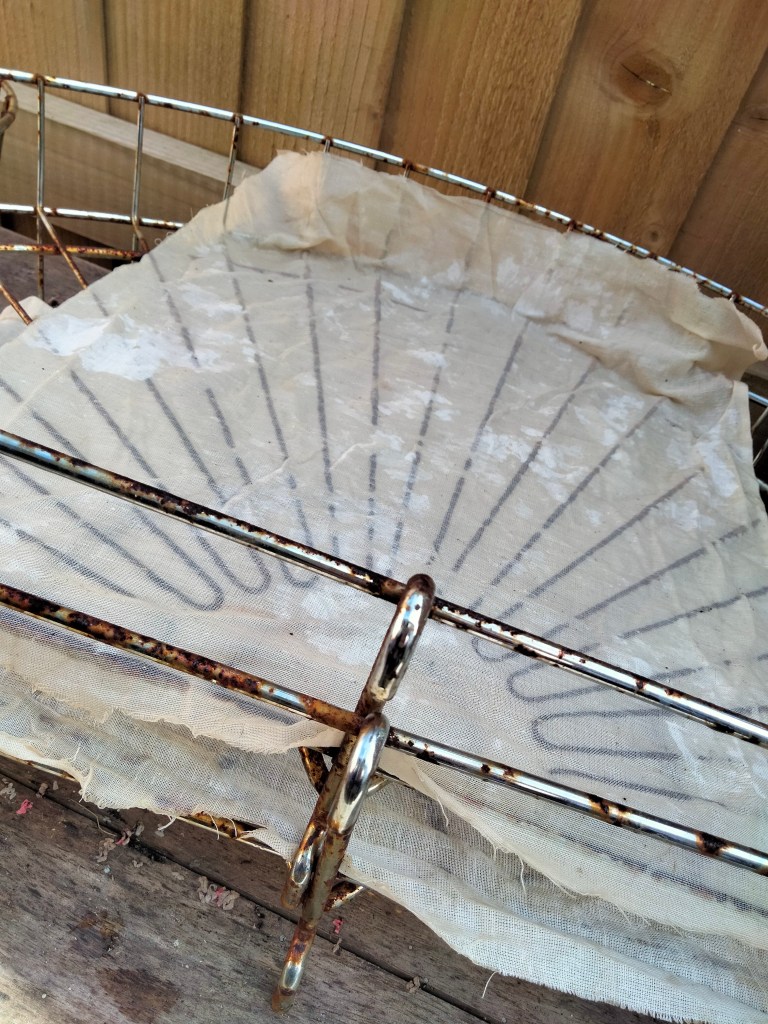
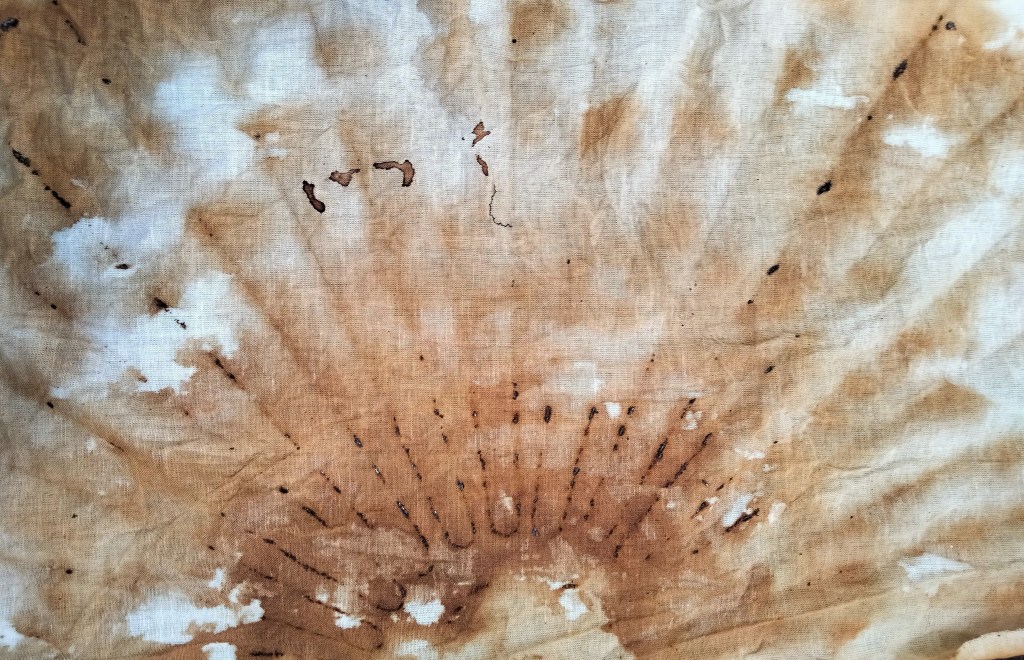
I used her recipe to create some rust prints on some scrap fabric.
Here are the photos of the process and the results:
Starting point – rusted kitchen shelves
Vinegar soaked fabric placed on the shelves
Stacked together – space saving!
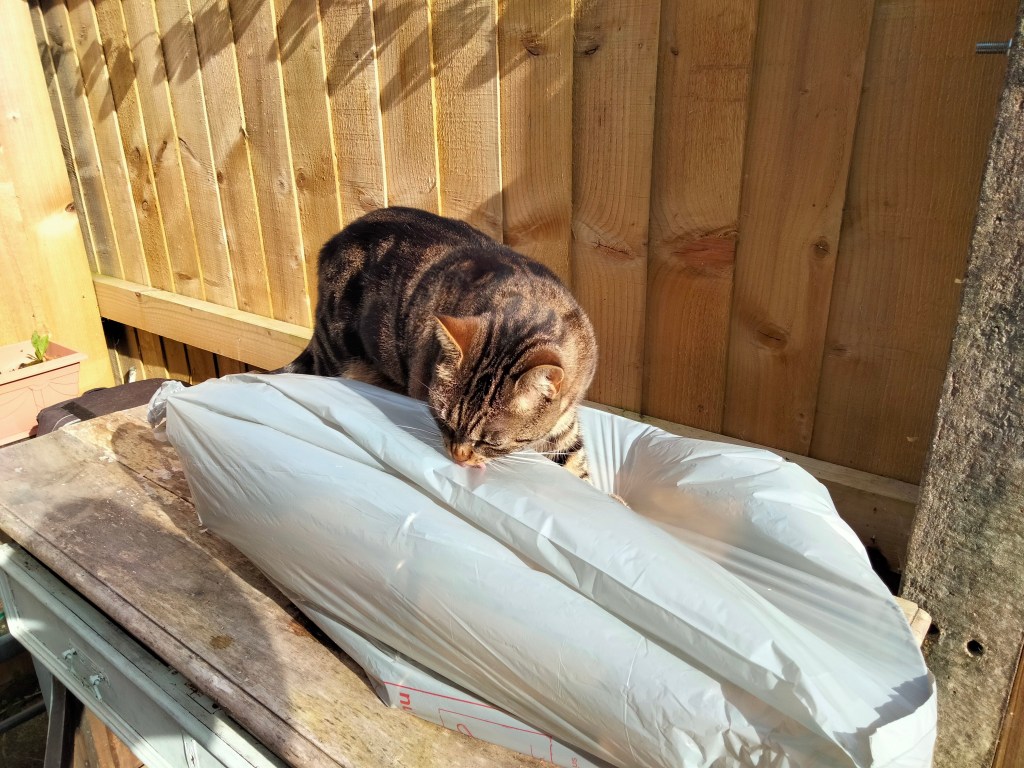
Sealed in a bag – avec obligatory inspection by the cat
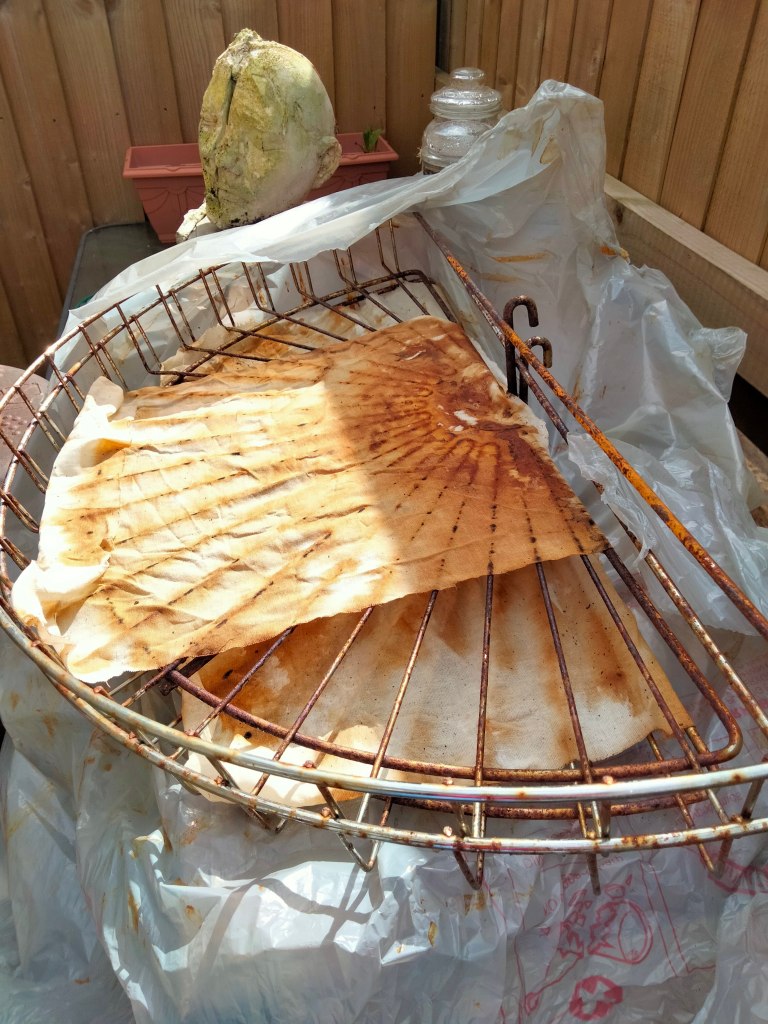
Airing out the fabric after 4 days
The result
I enjoyed this process and I am pleasantly surprised at the amount of detail that has been created on the fabric. I like the different tones and the patchy quality of the outcome. Not all of the details have been picked up, and to me, the imperfection is what makes it all the more interesting. The two prints I made took time (4 days worth of patience!) to create and of course sunshine (which can sometimes be hard to come by in West Wales!) What I like most is that I have collected and captured a moment in the objects history- which is a one off and can never be replicated much like a mono printing – my favourite process.
My Super Ordinary project has turned out to be much more than just creating art. It has also created a new way of thinking for me. Now that I have come to an end of this body of work I know that this project is going to stay with me. I would like to thank Olivia Clemence for setting me the task of defining the Super Ordinary (it was daunting at first!) but it has changed the way I see the world. I will be keeping in mind the Perec quote above as I move forward into a new subject area… I will continue to question everything.
You can find more of my work on my Instagram page @saskias.studio
Digital Residency Recipient : Carmarthen School of Art
Digital Residency Dates: 01 – 30 June 2022
Mission Gallery is pleased to announce the 2022 Jane Phillips Award Digital Residency for a Foundation Art & Design Resident at Carmarthen School of Art & Design, Coleg Sir Gâr. We are proud to be working with Carmarthen School of Art & Design, Coleg Sir Gâr and keen to shine a light on the high standard of work being produced by students across all disciplines.
This residency will provide an online space within the Jane Phillips Award website to display and develop work, ideas and research, while offering support and promotion through our networks.
About Saskia
Saskia Fletcher is a multidisciplinary artist who works in the fields of sculpture, fine art, printmaking, photography, film and installation. She works in a process led manner, working experimentally using a range of mediums.
Saskia is the current Graduate Resident of Foundation Art and Design at Carmarthen School of Art.
Mission Gallery is pleased to announce the 2022 Jane Phillips Award Digital Residency for Foundation Art & Design Students at Gower College Swansea. We are proud to be working with Gower College Swansea and keen to shine a light on the high standard of work being produced by students across all disciplines.
This residency will provide an online space within the Jane Phillips Award website to display and develop work, ideas and research, while offering support and promotion through our networks.
Residency recipients will be selected by Rhian Wyn Stone, Exhibitions & Retail Coordinator at Mission Gallery, Swansea and Jane Phillips Award committee member.
Digital Residency Dates: 01 – 31 August 2022
About the Jane Phillips Award
Launched at Mission Gallery in 2011, the Jane Phillips Award is a memorial to Jane Phillips (1957-2011) Mission Gallery’s first director. The award is intended as a legacy to Jane’s passion for mentoring and nurturing talent, working with individuals at every level – offering opportunities to students as well as artists at the beginning of their journey. Opportunities that are further strengthened by working with Mission Gallery’s team, Swansea College of Art UWTSD and elysium gallery.
The award became international under Amanda Roderick, Mission Gallery’s previous director, and with further assistance by following directors Matthew Otten and Ceri Jones, plus an enthusiastic board, the award is constantly developing and changing.
Mission Gallery is pleased to announce the 2022 Jane Phillips Award Digital Residency for a Foundation Art & Design Resident at Carmarthen School of Art & Design, Coleg Sir Gâr. We are proud to be working with Carmarthen School of Art & Design, Coleg Sir Gâr and keen to shine a light on the high standard of work being produced by students across all disciplines.
This residency will provide an online space within the Jane Phillips Award website to display and develop work, ideas and research, while offering support and promotion through our networks.
Selected recipient: Saskia Fletcher
Digital Residency Dates: 01 – 30 June 2022
About the Jane Phillips Award
Launched at Mission Gallery in 2011, the Jane Phillips Award is a memorial to Jane Phillips (1957-2011) Mission Gallery’s first director. The award is intended as a legacy to Jane’s passion for mentoring and nurturing talent, working with individuals at every level – offering opportunities to students as well as artists at the beginning of their journey. Opportunities that are further strengthened by working with Mission Gallery’s team, Swansea College of Art UWTSD and elysium gallery.
The award became international under Amanda Roderick, Mission Gallery’s previous director, and with further assistance by following directors Matthew Otten and Ceri Jones, plus an enthusiastic board, the award is constantly developing and changing.
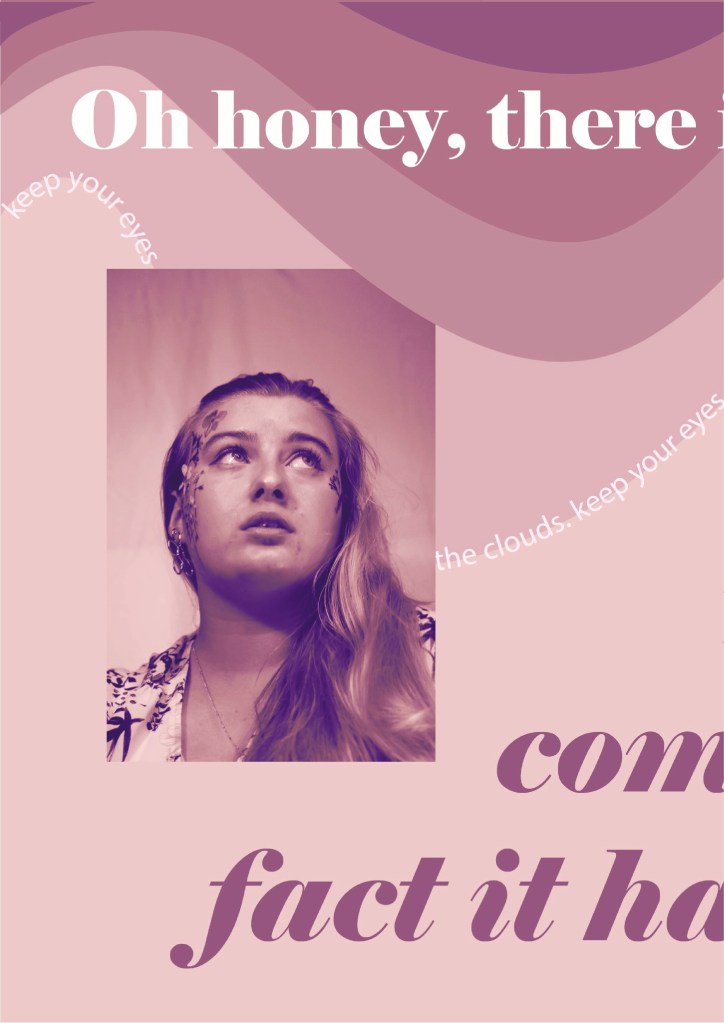
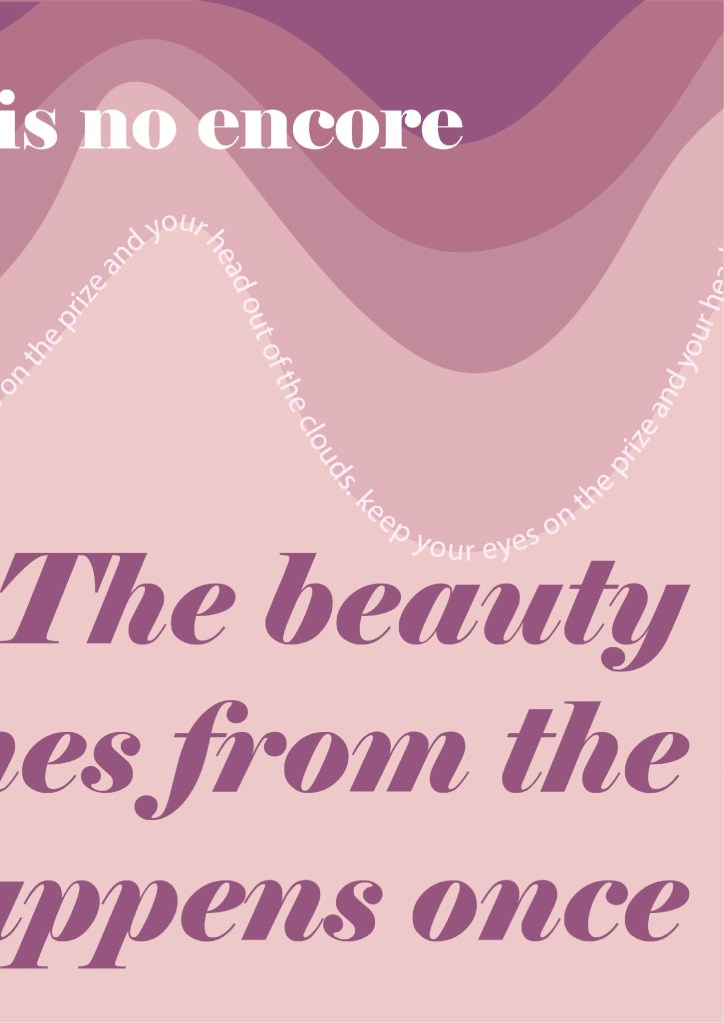
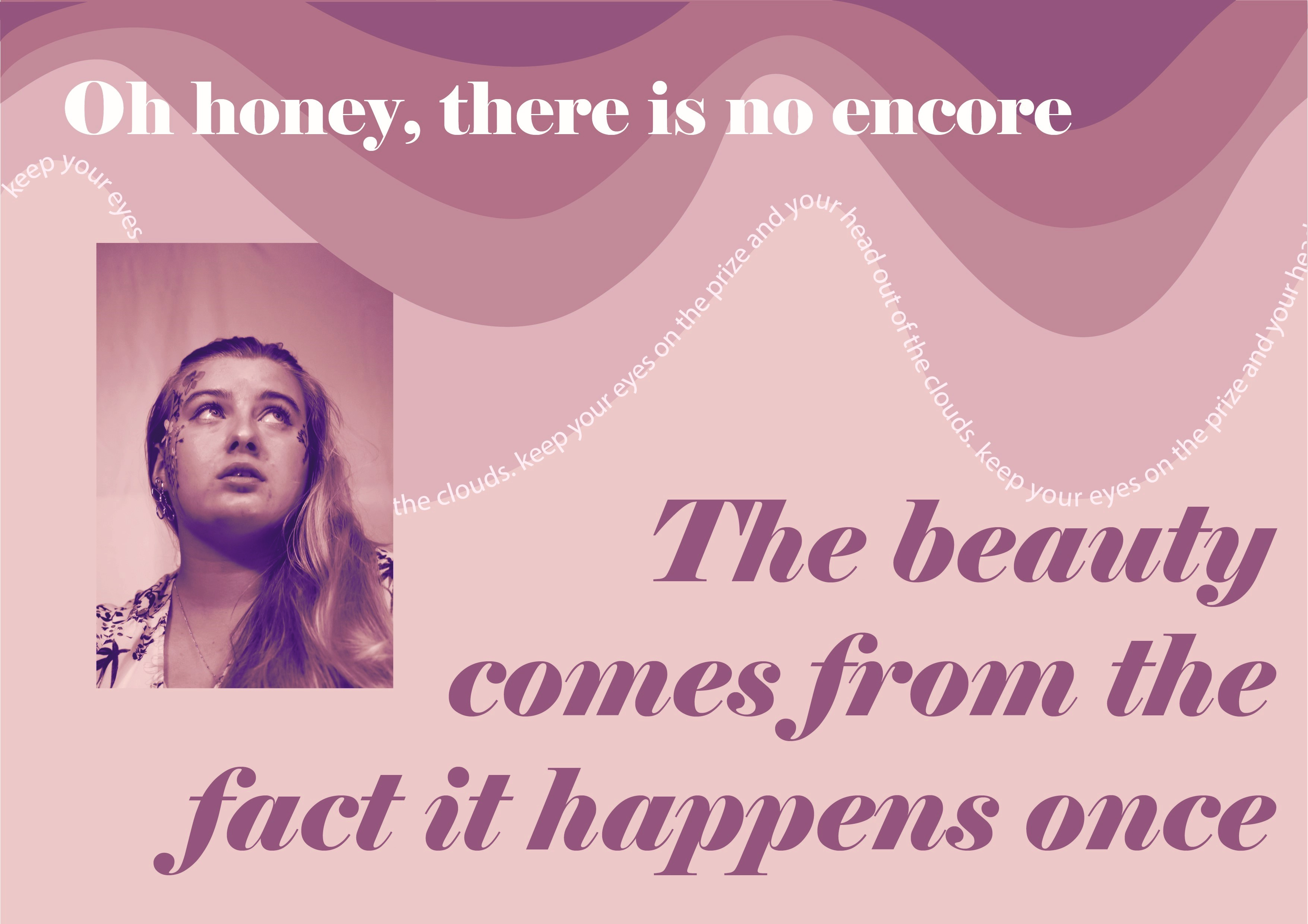
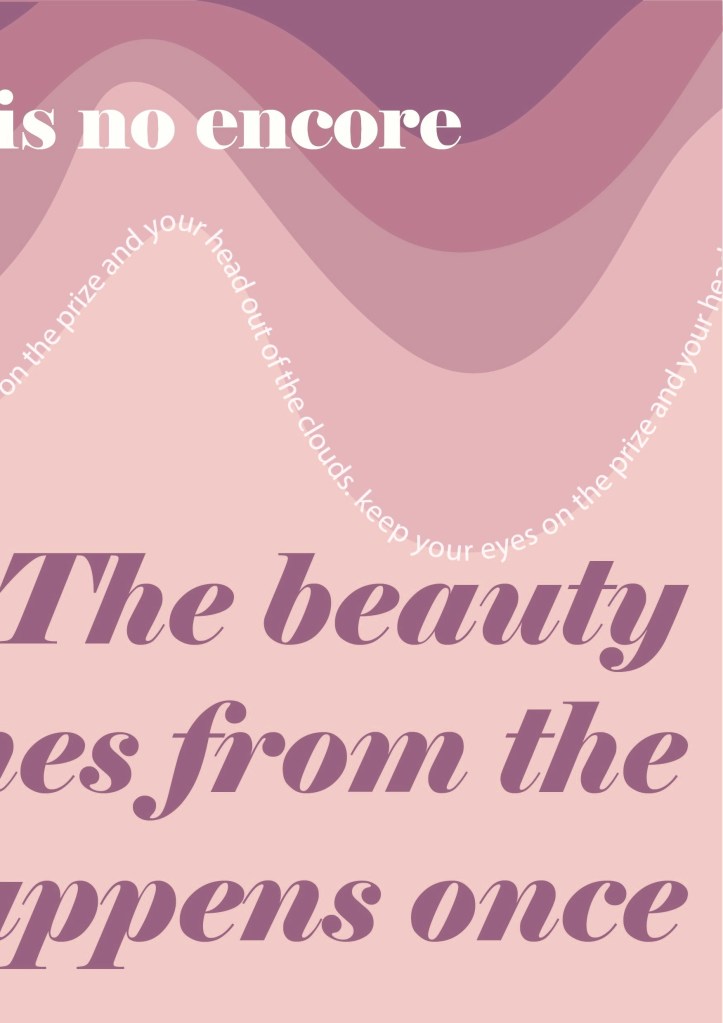
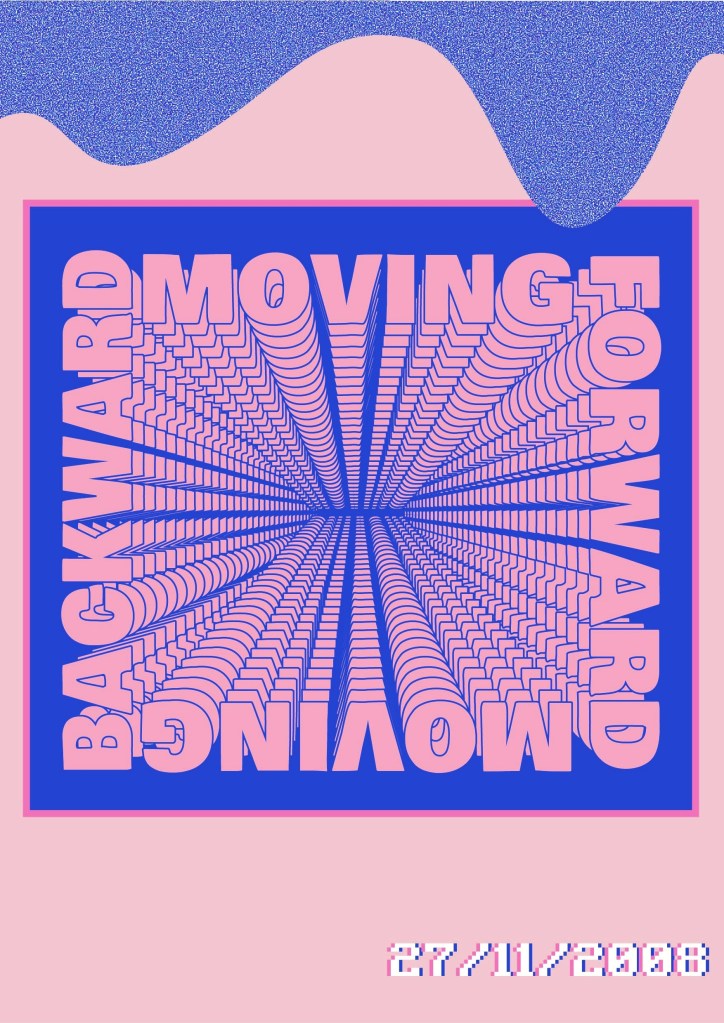
The past week I continued to work towards a few graphic design projects to include in my zine. In full, the zine is now 12 pages which I am planning to get printed and distributed very soon. This is my first time creating a full product and I am extremely grateful for the use of this blog to promote my work.
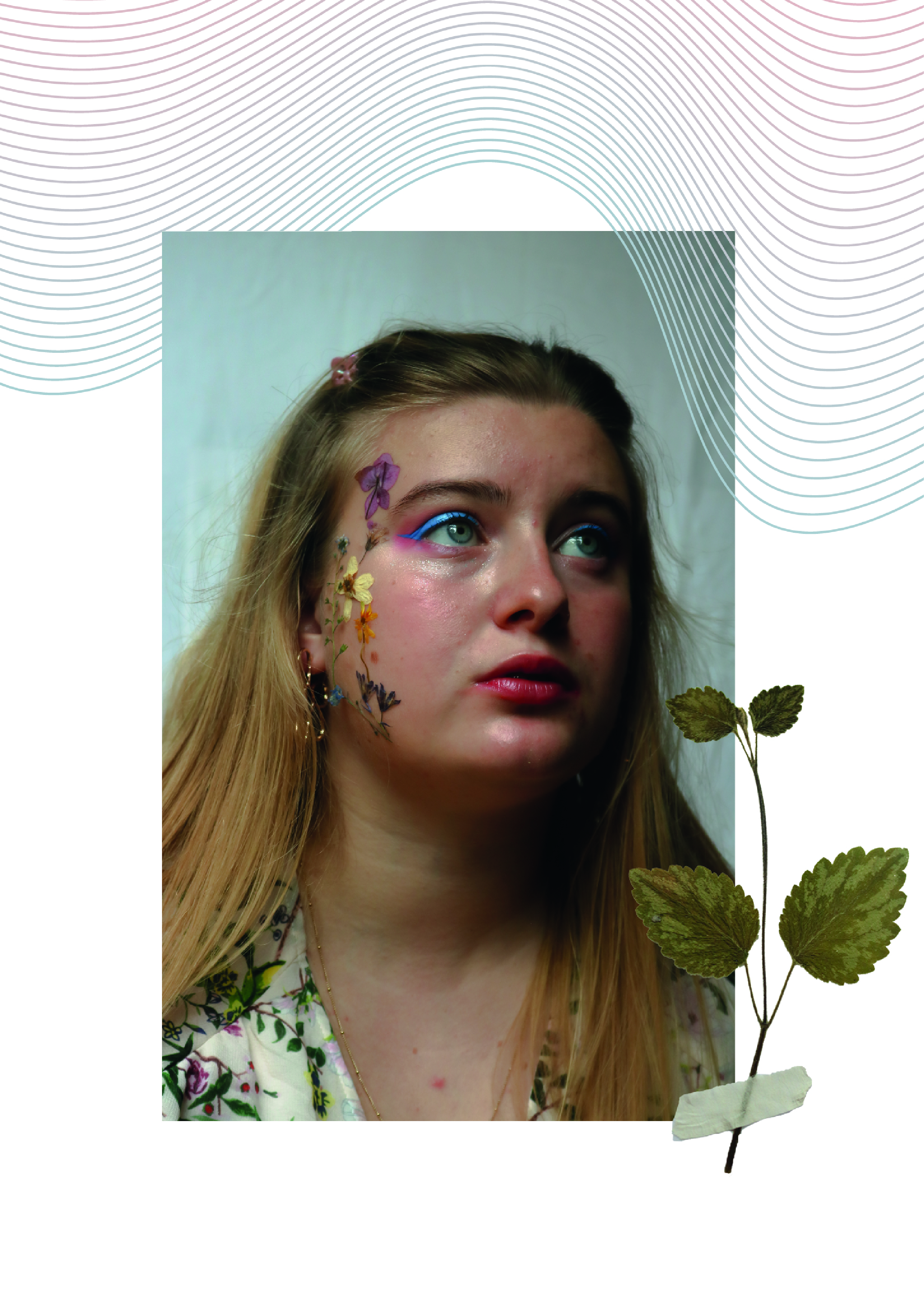
The zine lends itself to a scrapbook aesthetic, with the taped down pressed flowers and somewhat diary entries. I believe this adds to the childlike innocence I am trying to convey. I wanted to make an analogous theme throughout the zine, with each page incorporating organically smooth shapes and twisting lines. The idea was to create a fluid motion which brings the viewers’ eyes to all corners of the spread, and seamlessly transports them overleaf.
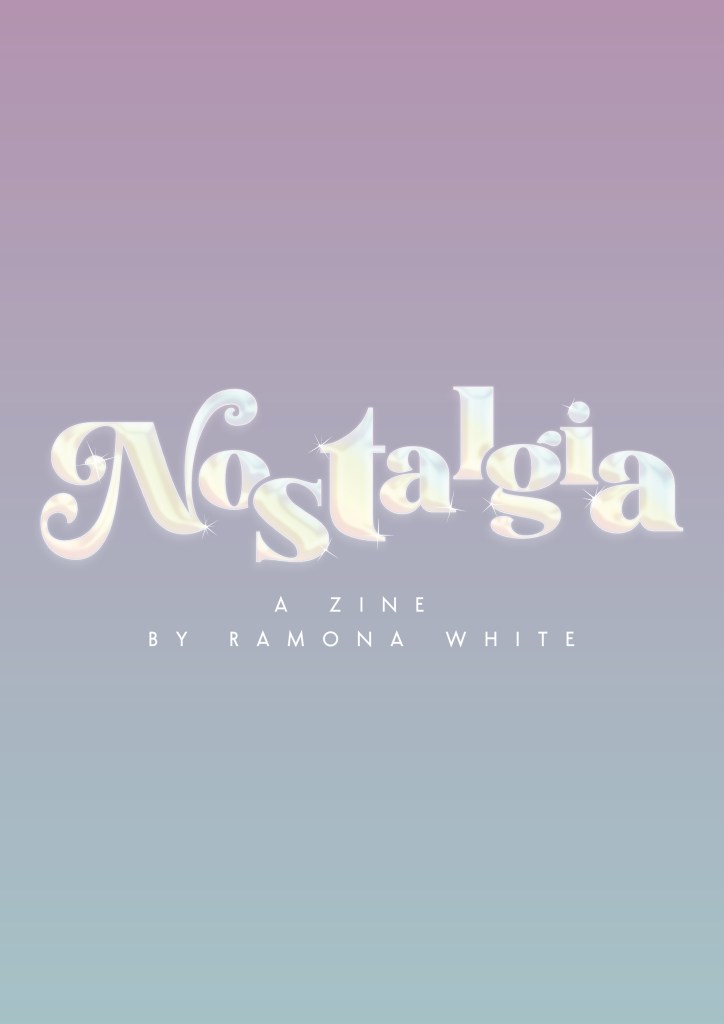
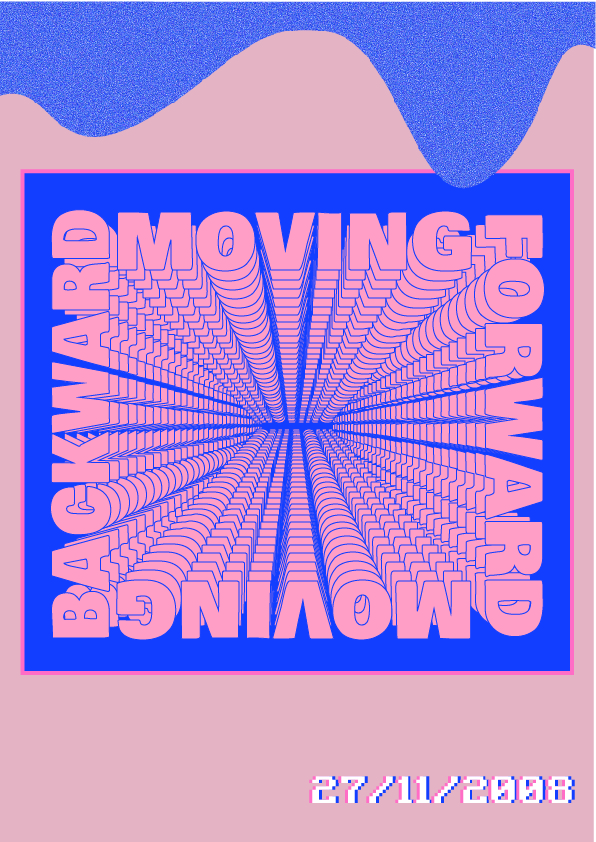
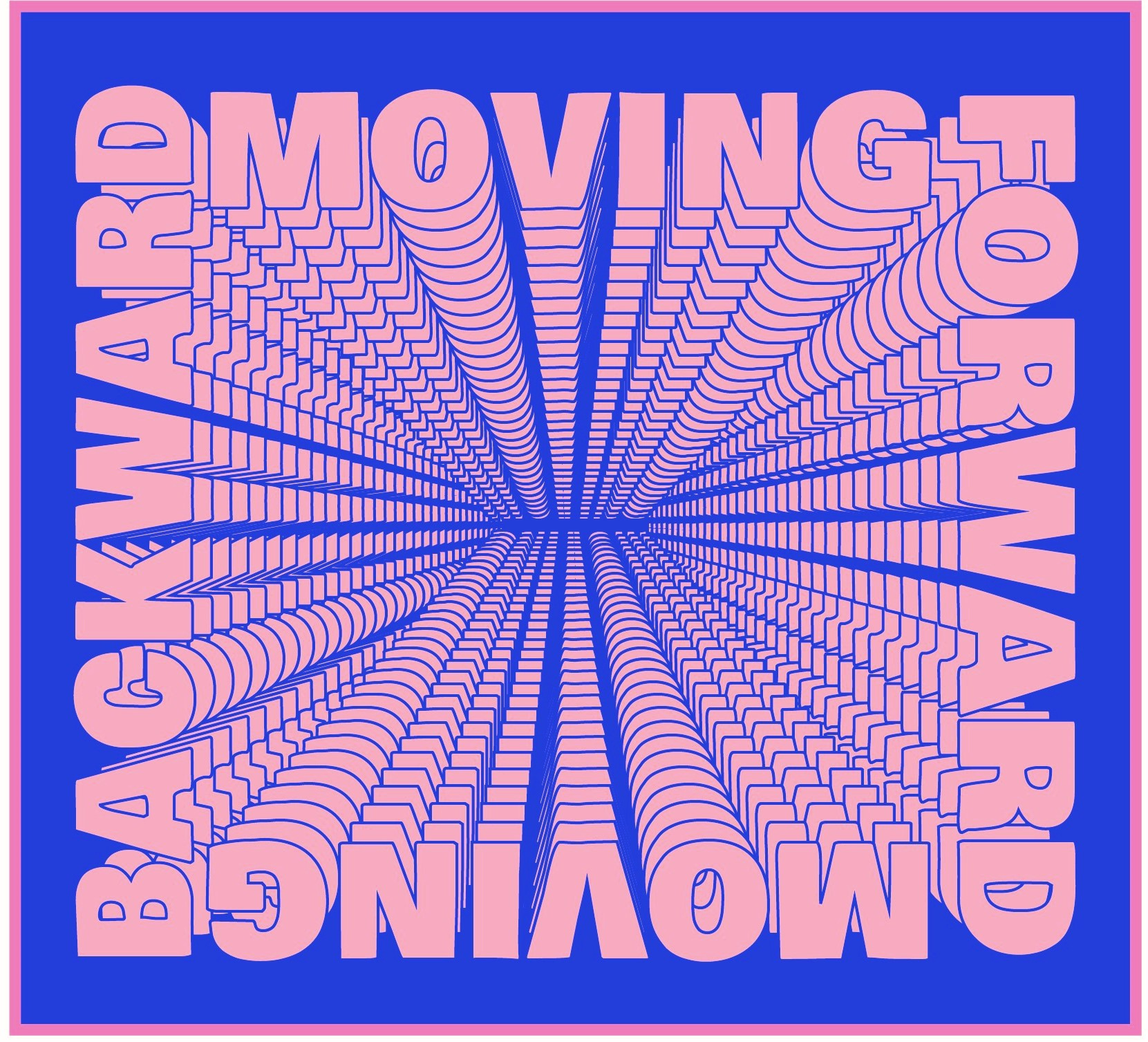
This week I began to develop a series of mock pages for a zine. I pulled influences from 2000s styled advertising and retro computer games because that was my first experience of graphic design growing up. My initial thoughts on colour palettes was pastel pinks and vibrant blues. I wanted to create an iridescent title and I experimented with a myriad of different coloured gradients until I found an effect I was pleased with.
The main concept and story behind the zine is how I have become addicted to romanticising the past. For me, it’s easy to paint my childhood in such a glowing brush that I find it difficult to appreciate current life in the same light. With each major life change, I am forever believing that those were the good old days, without giving value to the present. With these graphics and words in my zine, I am attempting to fall back in love with my current life, rather than only enjoying the moments when they become memories. Forever looking back is no way to live life.
Have a flick through the digital copy of first pages in the zine.
My name is Ramona White, and I have just finished my Art and Design foundation diploma at Gower College Swansea. I am extremely grateful for the use of the Jane Phillips Award blog, and I’m delighted to be the first from GCS to do so.
N O S T A L G I A
I have always been fascinated by the feeling of nostalgia. A thought of the past floats through your head, instantly filling your heart with warmth while it simultaneously begins to feel suffocated. It’s as though the rose-tinted glasses allow you to fall in love with the past but the bittersweet tinge of reality could burn a hole straight through you. To me, it’s a beautiful and confusing concoction of heart retching aching and carefree love, two emotions which are painfully strong, pulling your heart in two completely different directions. When feeling nostalgic, I never know whether I want to live in the bliss of the memories or to cry forever at the thought of them never repeating themselves.
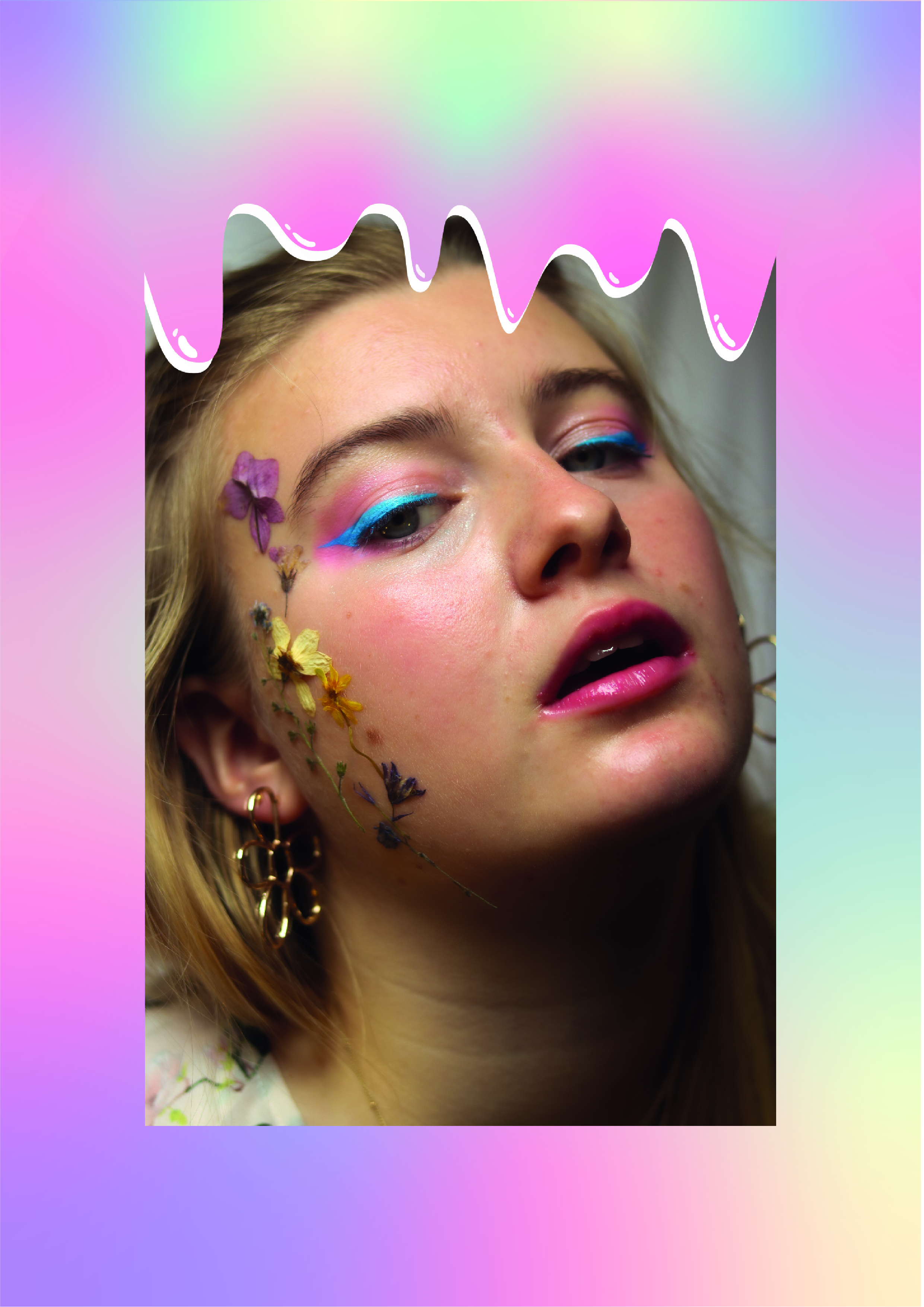
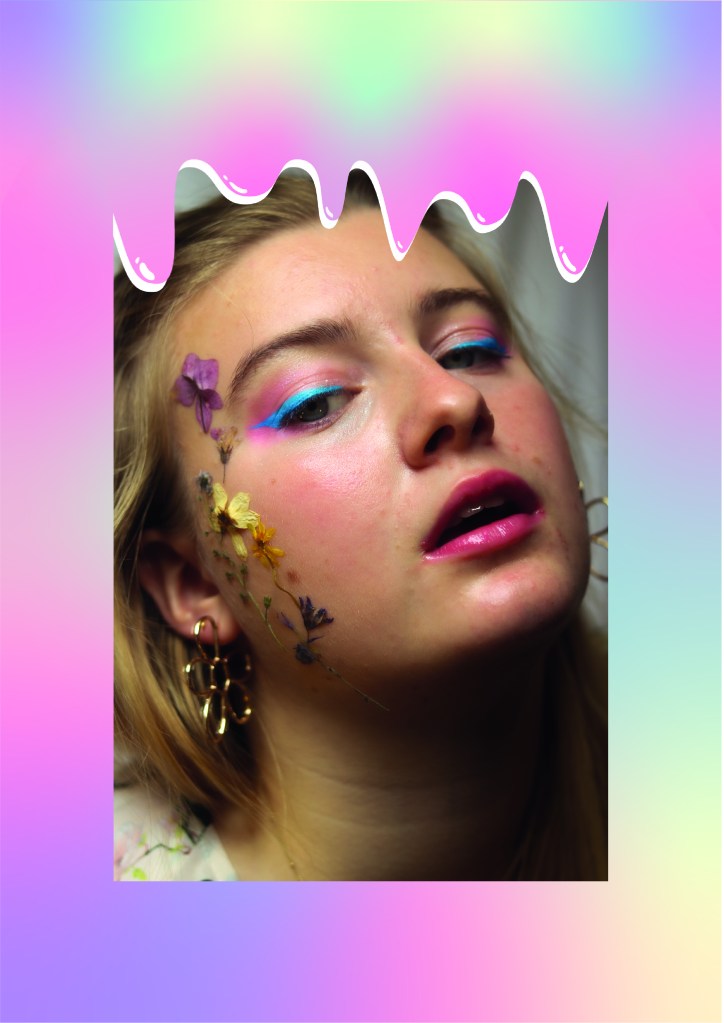
This photoshoot revolved around the idea of nature and childhood nostalgia.
While growing up, I had a relatively small garden, but it was gracefully packed with overgrown nature. Long grass and wildflowers sprouting between concrete slabs, making a plethora of miniature ecosystems. As a child I would leap face first into this personal landscape. I have always been drawn to nature, compelled by something within me to reach out and adventure into interesting landscapes hidden within the cities I have lived. My inner child yearns to be fully surrounded by wildlife, which is where the inspiration for this series’ look stemmed from.
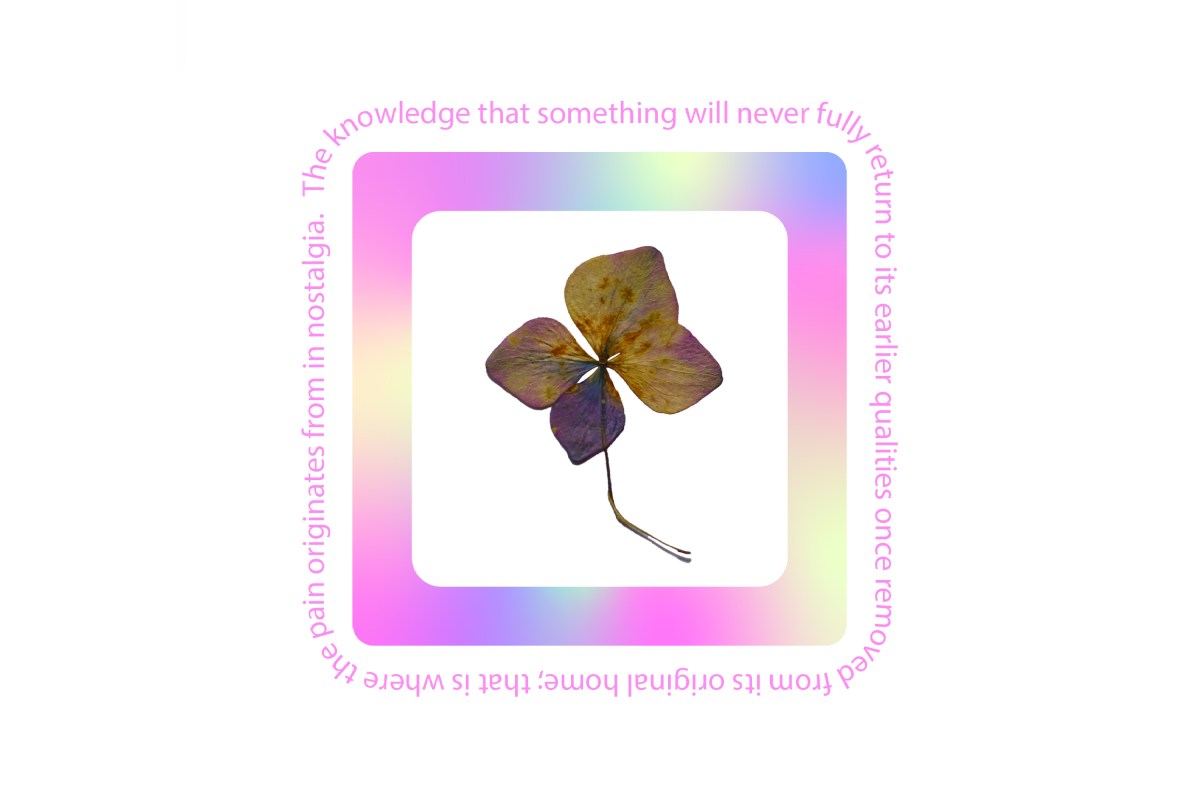
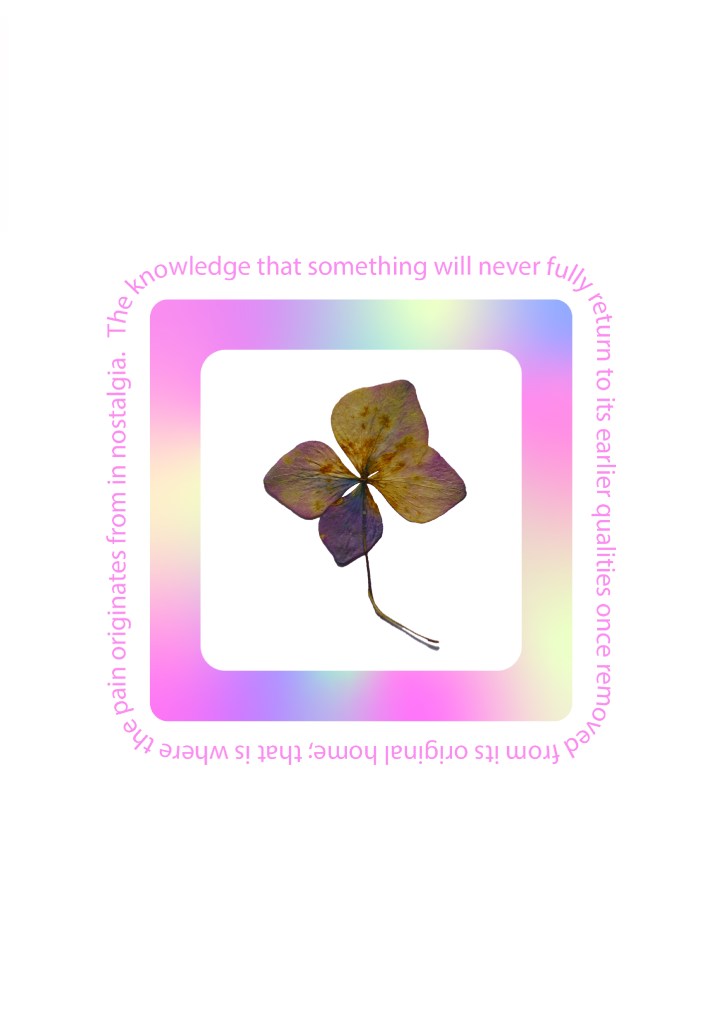
The makeup, modelling and photography was all done by me, allowing me to have complete creative control over the outcomes. The dried flowers I have displayed on my face were picked from my garden and pressed by myself. The flowers are still aesthetically beautiful and delicate but will eventually become completely stale and lifeless. The knowledge that something will never fully return to its earlier qualities once removed from its original home; that is where the pain originates from in nostalgia.




































 Jane Phillips Award